Acne Treatment in Seoul: Clinic Options for Active Breakouts and Marks
This is a subtitle for your new post


Clinics in Seoul usually treat acne in two stages: first calm active breakouts, then fade the red or brown marks they leave behind. Options range from extractions, peels and light-based treatments to prescription medication and skin Botox for oil control. Most people need a series over several weeks, and results vary.
| Stage 1 | Control active breakouts and inflammation |
|---|---|
| Stage 2 | Fade post-acne redness and brown marks |
| Common tools | Peels, extractions, lasers, medication, skin Botox |
| Typical timeline | Several weeks to a few months |
| Downtime | Usually low; peels may flake for 2–5 days |
| Key habit | Daily sunscreen to stop marks darkening |
Why active acne comes first
Treating marks while new spots keep forming is like repainting a wall that is still leaking. Every new inflamed spot can leave a fresh mark, so doctors usually focus on control before correction.
Some scar treatments, such as microneedling, are also avoided over active breakouts because they can spread inflammation.
Clinic options for active breakouts
- Medical extraction. Sterile removal of blackheads, whiteheads and ripe pustules reduces congestion with less risk than squeezing at home.
- Chemical peels. Salicylic or other acids unclog pores and reduce oil; a 3–6 session series is typical, with 2–5 days of flaking.
- Light and laser treatments. Certain devices target acne bacteria or overactive oil glands to reduce inflammation.
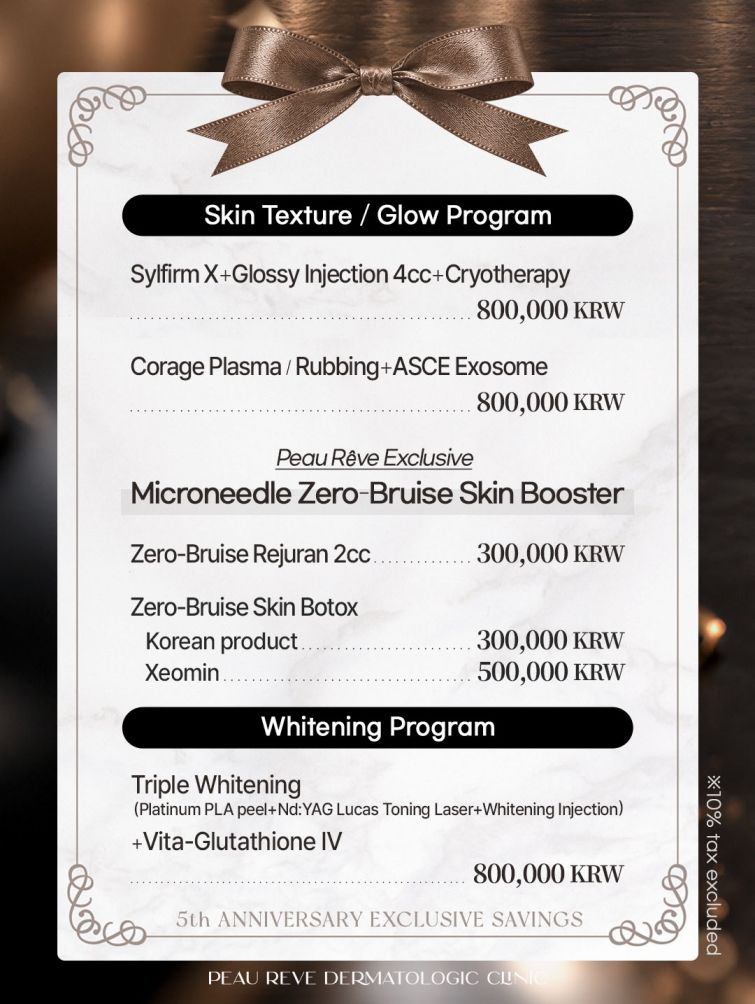
- Skin Botox. Tiny doses placed in the upper skin can reduce oil production and help pores look smaller.
- Intralesional injection. A doctor may inject a painful cyst to help it settle quickly.
- Prescription medication. Topical or oral treatments may be prescribed after assessment, especially for moderate to severe acne.
When medication is the better first step
Deep, cystic or widespread acne often needs medical treatment beyond in-clinic procedures. A doctor will weigh side effects, pregnancy plans and your travel schedule before prescribing anything.
Understanding post-acne marks
Not every mark left by acne is a scar. Telling them apart changes the treatment.
- Red marks (post-inflammatory erythema). Pink or red flat areas from dilated vessels; common in lighter skin.
- Brown marks (post-inflammatory hyperpigmentation). Flat brown patches from excess melanin; common in medium to darker skin.
- True scars. Changes in skin texture, such as dents or raised areas, which need resurfacing or collagen work.
Clinic options for marks
- Vascular lasers. Target redness by acting on small blood vessels.
- Laser toning. A gradual, gentle series for brown marks.
- Peels. Help shed pigmented cells and refine texture.
- Skin boosters and Rejuran. Support skin repair and overall quality as marks fade.
- Microneedling or Fraxel. For textured scars once breakouts are controlled.
A typical treatment plan in Seoul
- Consultation. The doctor grades the acne, checks for triggers and reviews your routine.
- Control phase. Peels, extractions or medication over several weeks.
- Maintenance. A simpler home routine and periodic clinic visits.
- Correction phase. Laser or booster series for marks once new spots slow down.
- Review. Progress photos help judge what is working.
Clinics in Gangnam and Cheongdam often build a combined plan, but visitors with short stays may focus on one stage and continue care at home.
Home care that supports clinic treatment
- Use a gentle, non-stripping cleanser twice a day.
- Choose non-comedogenic moisturiser and sunscreen.
- Avoid picking, which deepens marks and raises infection risk.
- Introduce active ingredients slowly and only as advised.
- Change pillowcases often and keep phone screens clean.
What drives the cost
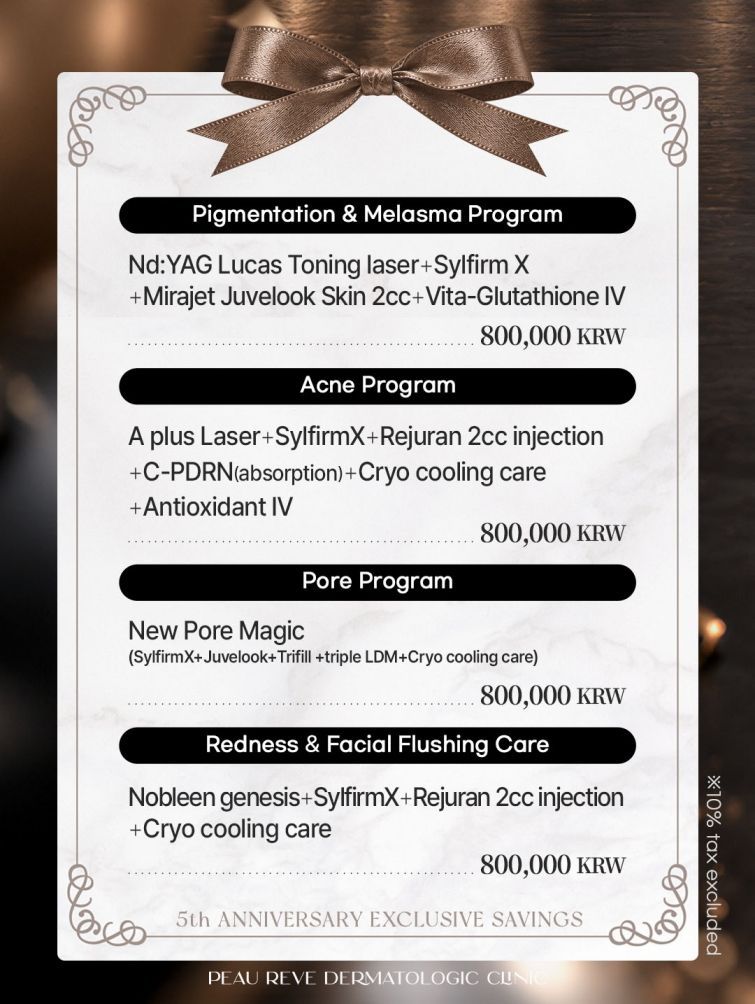
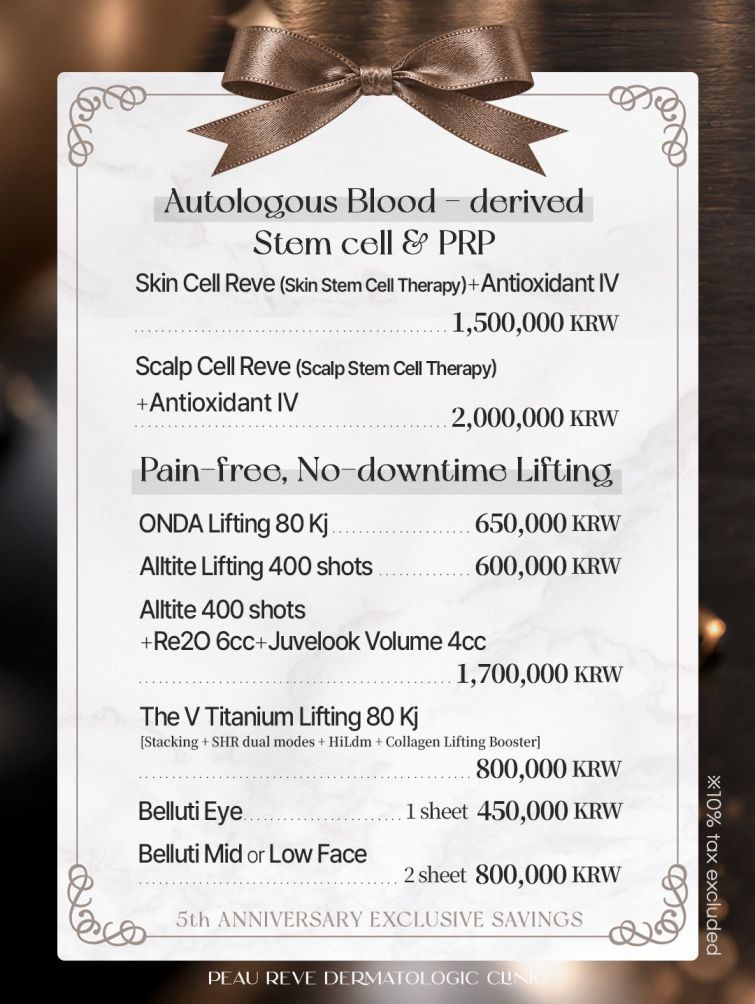
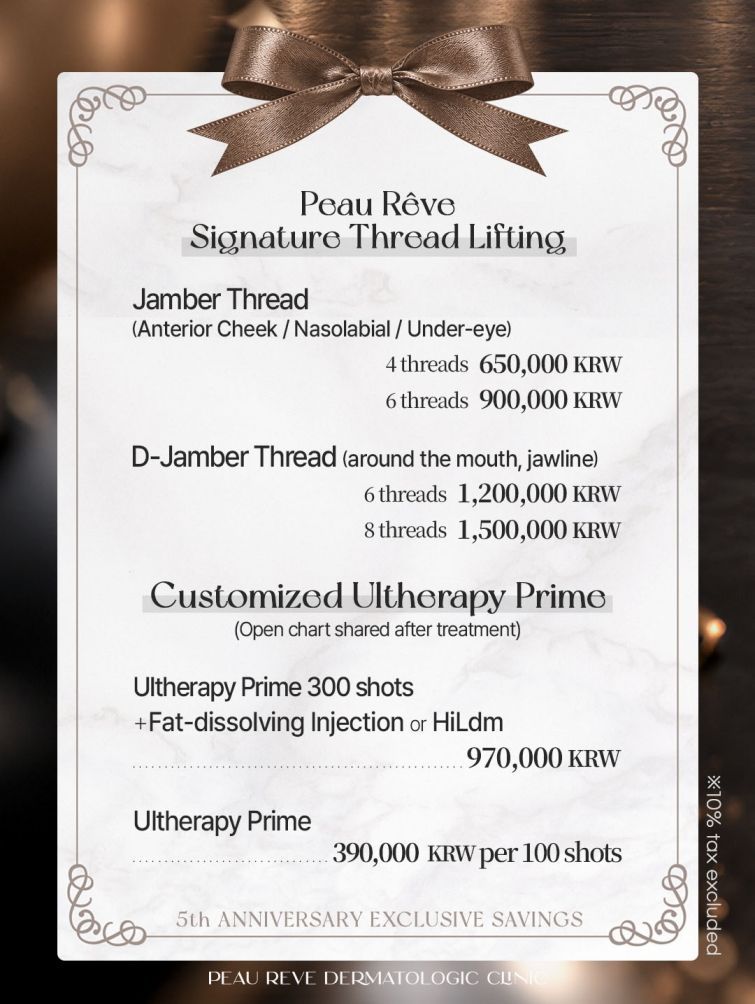
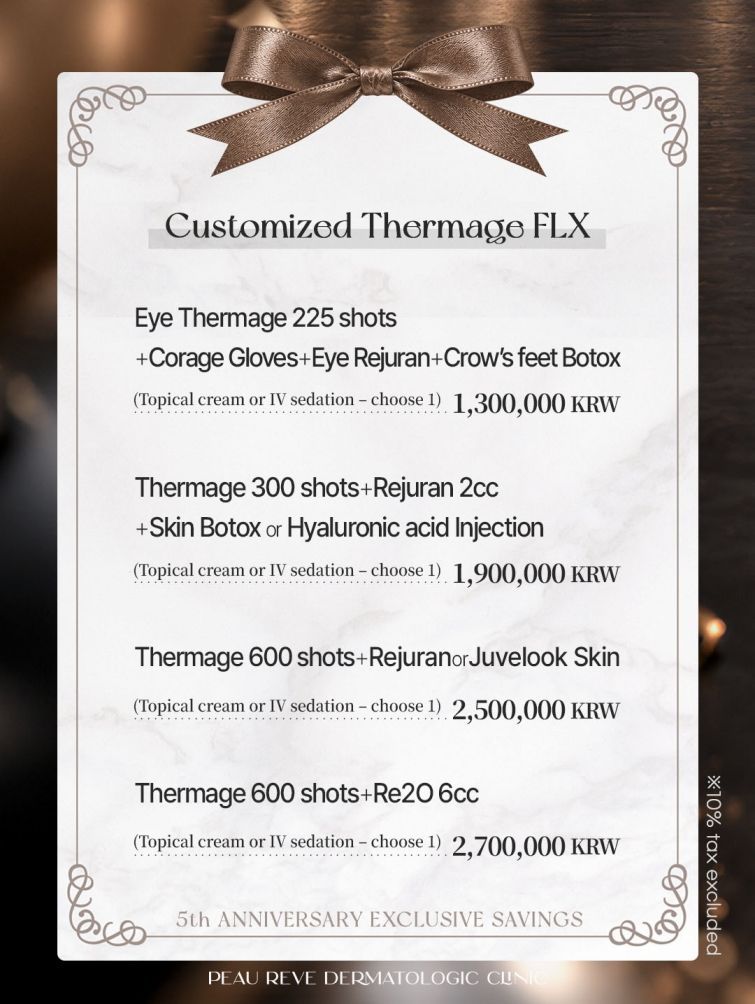
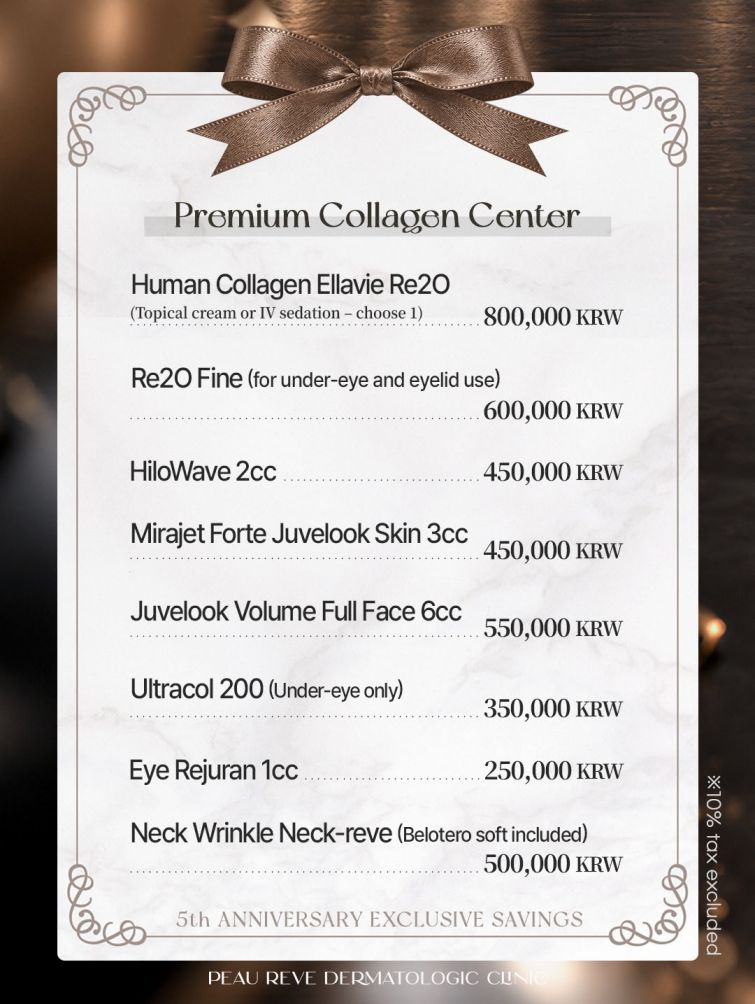
Peels, lasers and extraction sessions are priced by method, area and number of sessions, so quotes differ widely. For skin Botox, published prices at Cheongdam clinics are around ₩300,000 for a full face with Korean toxin and ₩500,000 with Xeomin (excl. 10% VAT, as of late 2026). Skin boosters and Rejuran Healer start around ₩250,000. Check current prices before booking.
Questions to ask at your consultation
- What type and grade of acne do I have?
- Are my marks red, brown or true scars?
- Do I need medication as well as procedures?
- How many sessions before we review progress?
- Is a doctor performing or supervising each treatment?
- Are prices published, VAT stated and the same for foreigners?
- Can aftercare and follow-up be done in English?
Frequently asked questions
What is the fastest acne treatment in Korea?
There is no instant cure, but extractions, a peel or a cyst injection can calm visible spots within days. Lasting control usually takes weeks.
Can skin Botox help acne?
It can reduce oiliness and refine pores, which may help some oily, acne-prone skin. It is usually one part of a wider plan.
How long do red acne marks take to fade?
Red marks often fade on their own over months, and vascular lasers may speed this up. Sun protection helps prevent them darkening.
Should I treat acne scars during a short trip to Seoul?
If breakouts are still active, it is usually better to control them first. A doctor can advise whether scar treatment is sensible on your timeline.
This article is general information and not medical advice. Results vary between individuals. Speak to a qualified doctor about whether a treatment is right for you.