Facial Redness Treatment in Korea: Causes and Clinic Options
This is a subtitle for your new post

Facial redness has several causes, including rosacea, visible blood vessels, a damaged skin barrier and post-acne marks, and Korean clinics match the treatment to the cause. Vascular lasers, barrier repair, gentle skin boosters and medication are the main options. Redness often improves with a series of treatments, but it can return, so ongoing care matters.
| Common causes | Rosacea, broken capillaries, barrier damage, acne marks |
|---|---|
| Main clinic tools | Vascular lasers, barrier care, boosters, medication |
| Typical approach | A gradual series rather than one session |
| Downtime | Usually low; brief redness or swelling possible |
| Maintenance | Often needed, as triggers persist |
Common causes of a red face
Rosacea
Rosacea is a long-term condition with flushing, persistent central redness, and sometimes bumps or visible vessels. Triggers often include heat, alcohol, spicy food, sun and stress.
Visible blood vessels
Small dilated capillaries, often around the nose and cheeks, can appear with sun damage, age, genetics or rosacea. They do not usually fade on their own.
Damaged skin barrier
Over-exfoliation, strong actives, harsh cleansers or dry indoor air can leave skin red, stinging and reactive. This type often improves when the routine is simplified.
Post-acne redness
Flat pink or red marks after spots heal are caused by inflamed vessels and are different from scars.
Other causes
Contact dermatitis, seborrhoeic dermatitis and some medical conditions can also cause redness. This is one reason a doctor's diagnosis matters before treatment.
Why diagnosis changes everything
Treating barrier-damaged skin with a strong laser can make it worse, while treating fixed vessels only with creams may change little. A doctor will look at the pattern, triggers, history and how skin reacts to touch and temperature.
Many clinics in Seoul use skin imaging to separate redness from pigment, which helps track progress over time.
Clinic treatment options
- Vascular lasers and light. Target haemoglobin in small vessels to reduce persistent redness and visible capillaries, usually over several sessions.
- Barrier-focused care. Soothing, hydrating treatments and a simplified routine to calm reactive skin.
- Skin boosters. Gentle hydrating or polynucleotide injectables such as Rejuran may help improve skin resilience in some patients.
- Skin Botox. Some doctors use microdoses for flushing or oiliness; evidence is still developing and suitability varies.
- Medication. Topical or oral prescriptions are common for rosacea and some forms of dermatitis.
What clinics usually avoid on red skin
- Aggressive peels or scrubs during a flare
- High-heat treatments without a test or gentle settings
- Strong suction facials on very reactive skin
A typical plan at a Korean clinic
- Assessment. Identify the cause and triggers, often with photos.
- Calm. Repair the barrier first if skin is stinging or flaking.
- Treat. Begin a vascular laser or medication series.
- Support. Add boosters or soothing care where helpful.
- Maintain. Plan follow-ups, as redness from rosacea or sun can return.
Daily habits that help
- Sunscreen. Mineral-based formulas are often better tolerated by red skin.
- Fewer products. A gentle cleanser, moisturiser and sunscreen is often enough while skin calms.
- Lukewarm water. Very hot showers and saunas can trigger flushing.
- Trigger diary. Noting food, drink and weather helps spot patterns.
- Patience with actives. Reintroduce acids or retinoids slowly and only if advised.
Treating redness during a trip to Seoul
Visitors often notice redness flare with travel, cold winds or summer humidity in Korea. A short trip can still include a consultation, a first laser session and a tailored routine.
Bring a list of your current products and medications. Ask for written instructions so you can continue care at home.
What drives the cost
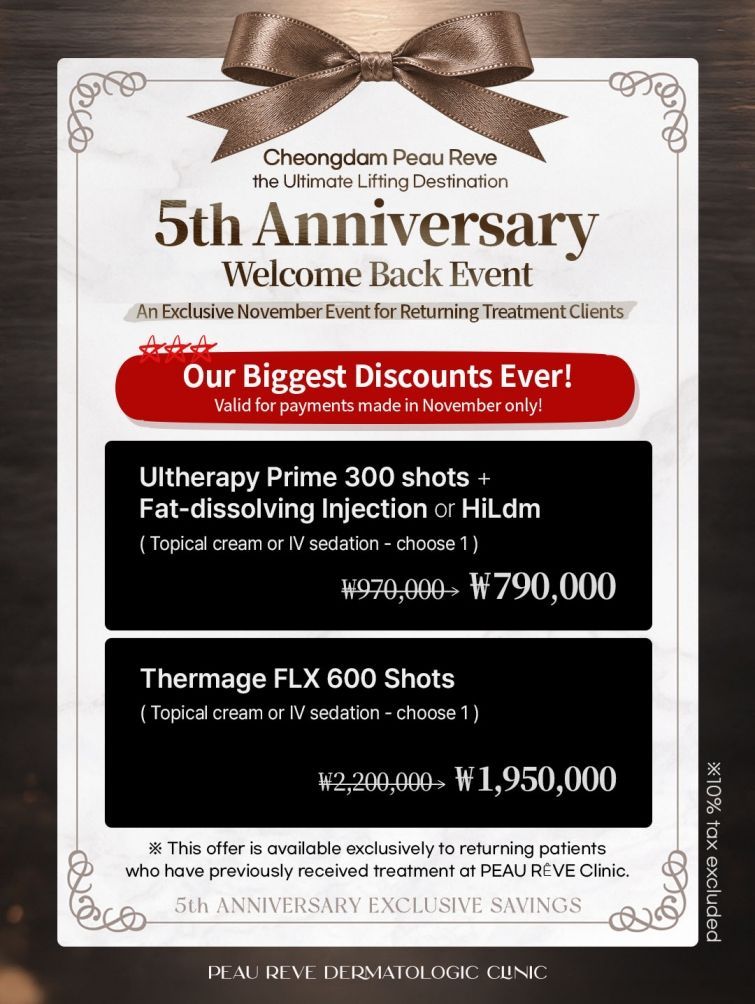
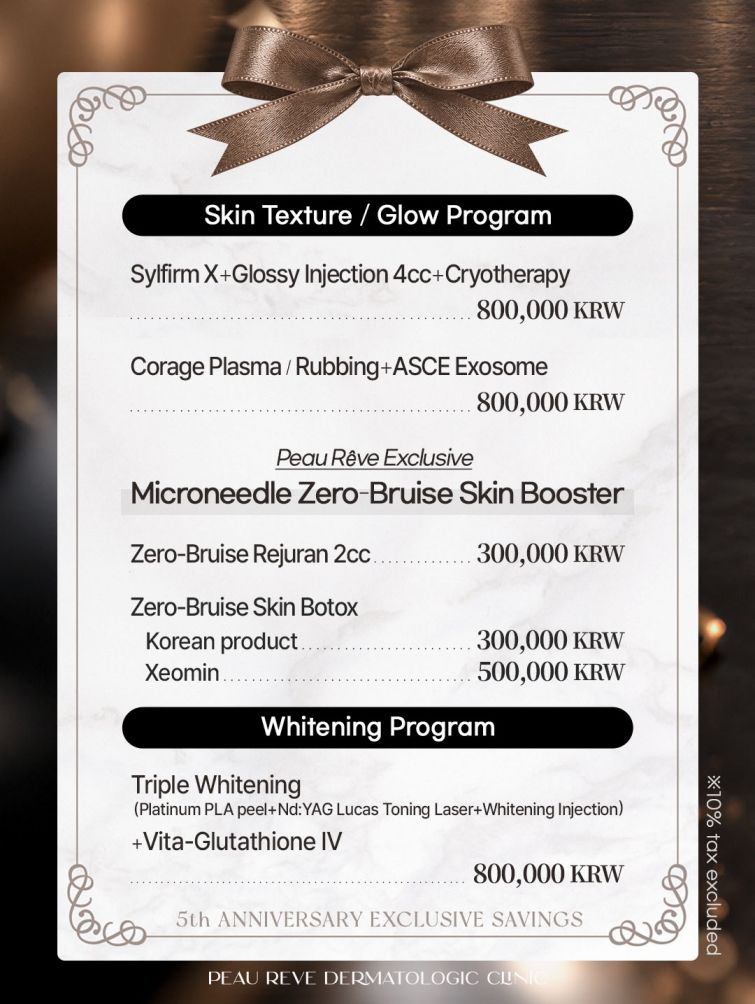
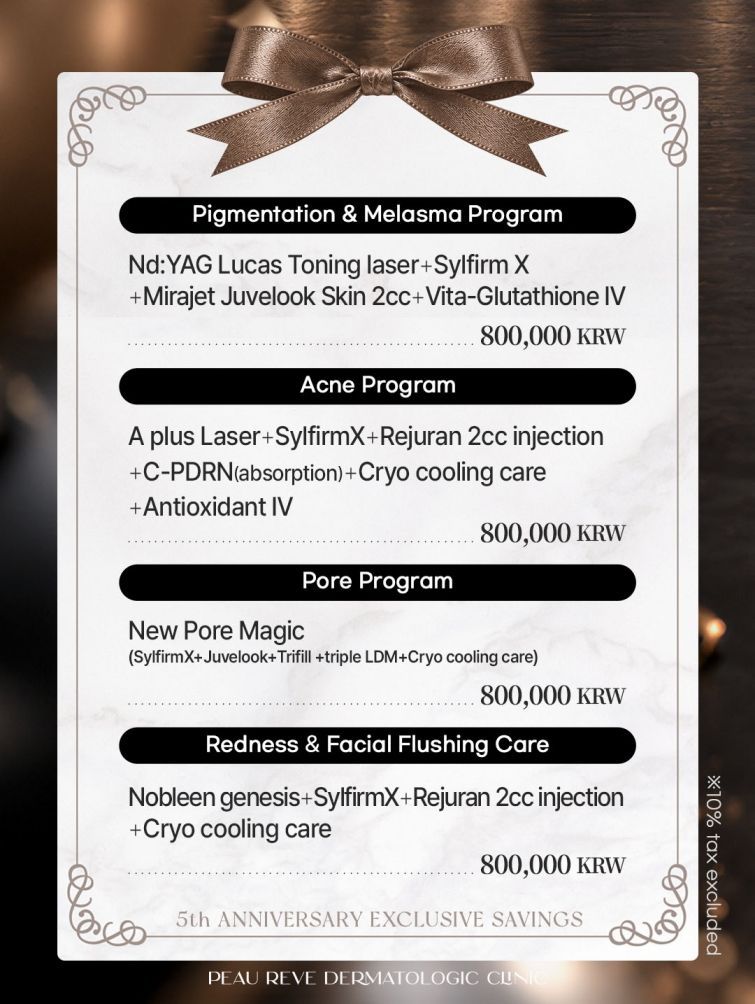
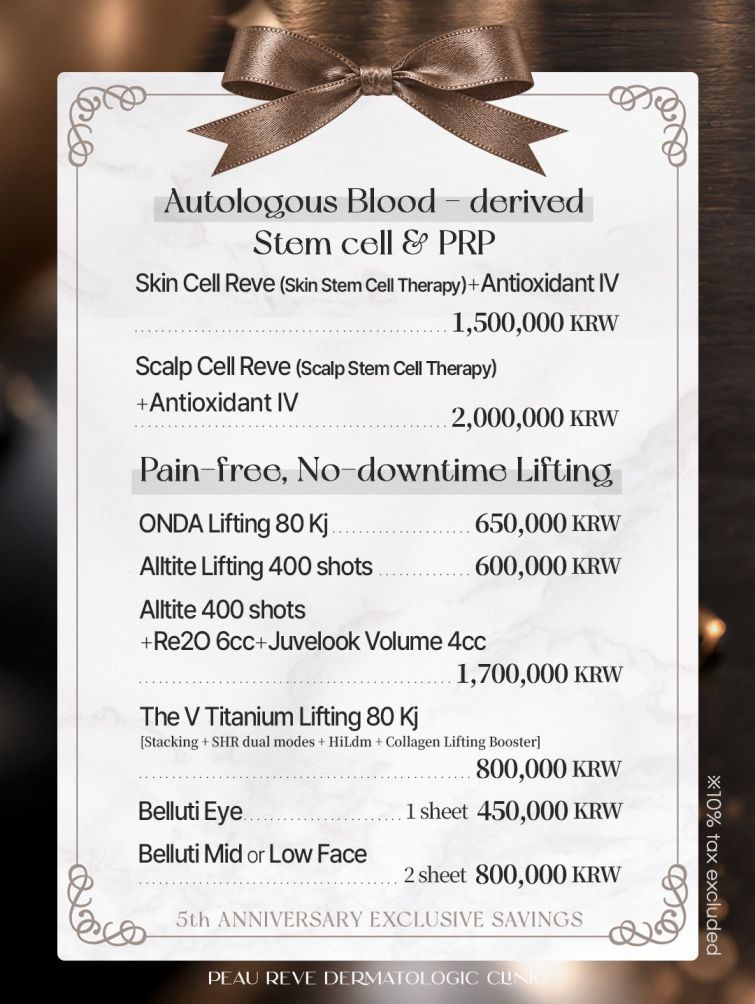
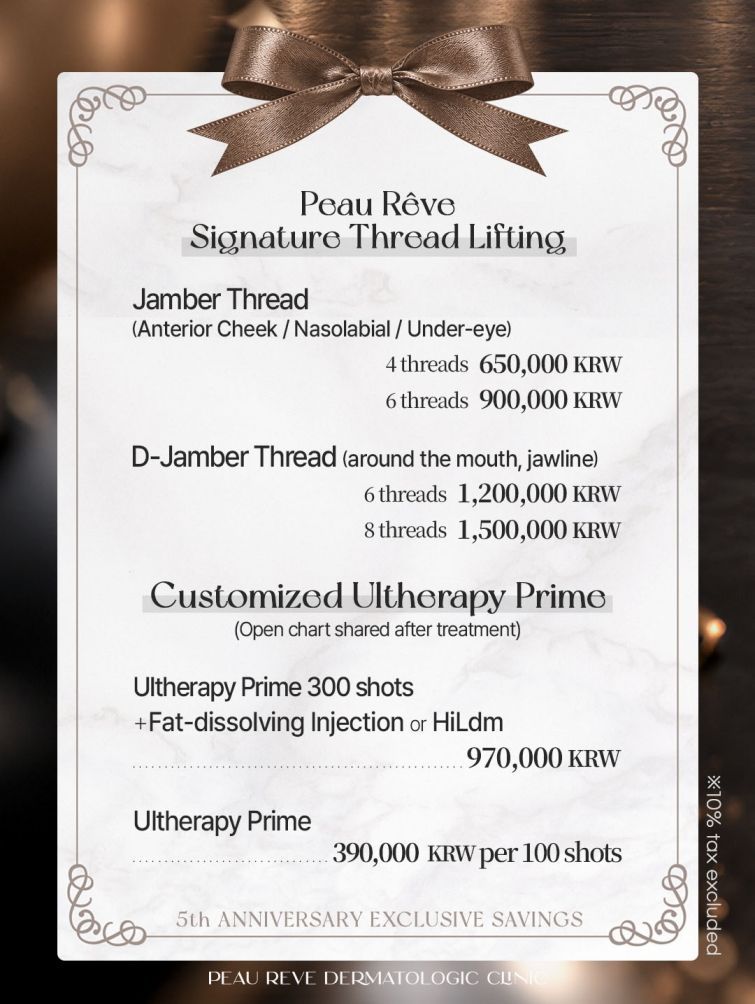
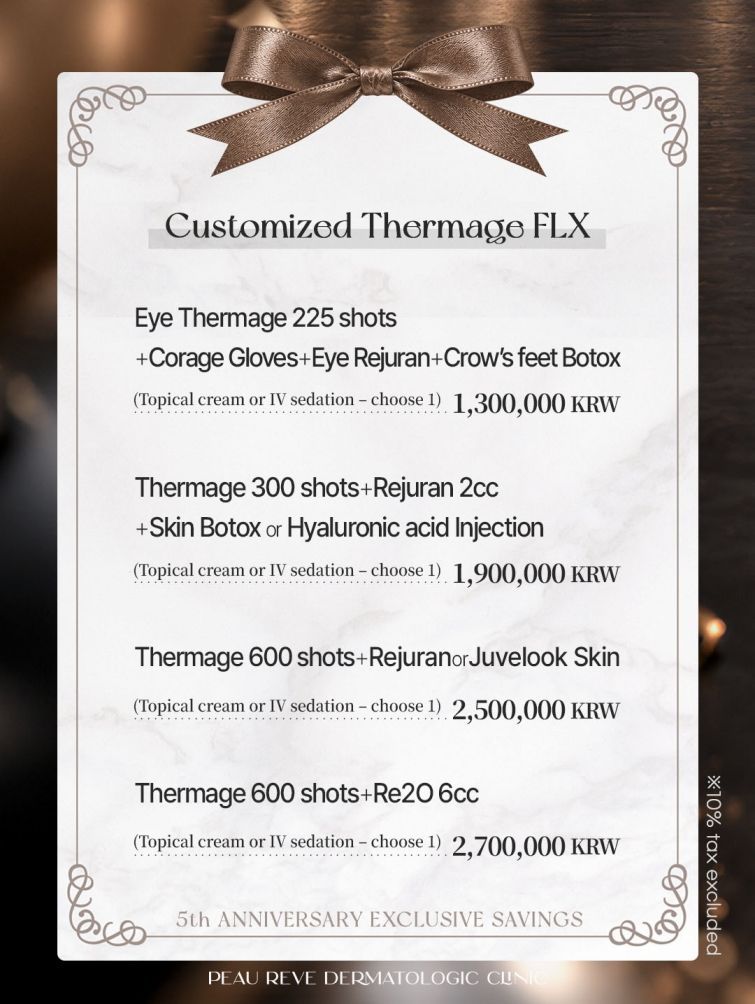
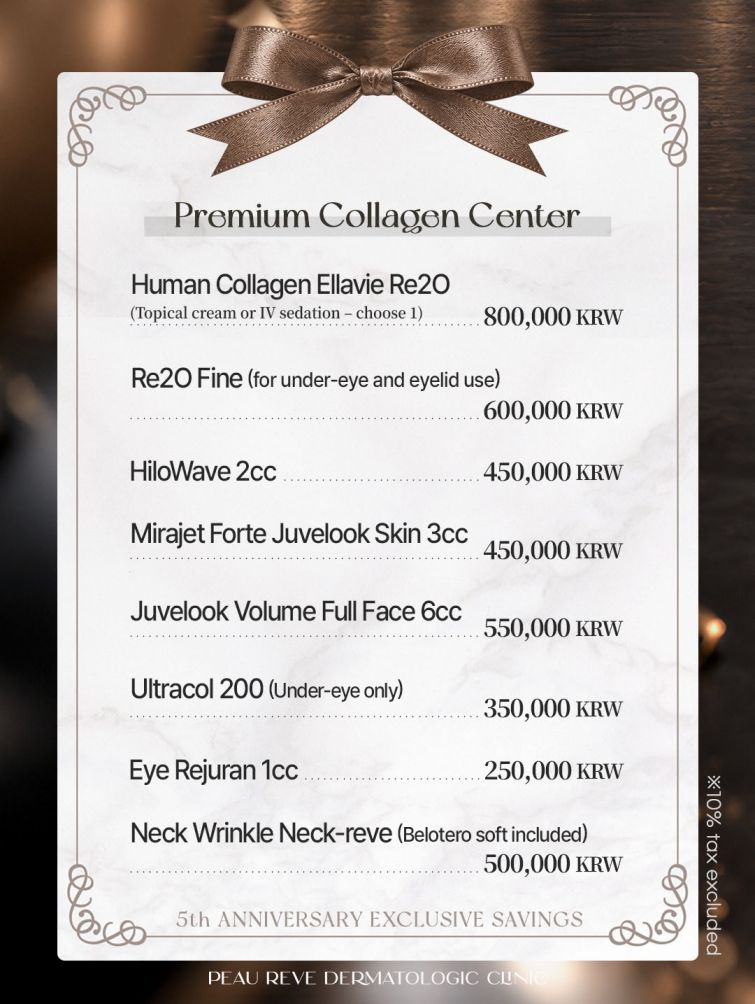
Vascular laser pricing depends on the device, the area and the number of sessions, so there is no single figure. Published starting prices at Cheongdam clinics for skin boosters and Rejuran Healer are around ₩250,000 (excl. 10% VAT, as of late 2026). Check current prices and whether a package fits your plan.
Questions to ask at your consultation
- What is causing my redness?
- Is a laser suitable now, or should my barrier recover first?
- How many sessions are realistic, and how long might results last?
- Will a doctor perform the laser and adjust settings?
- Are prices published, and are they the same for foreign patients?
- Is English aftercare and follow-up available?
Frequently asked questions
Can lasers cure rosacea?
Lasers can reduce redness and visible vessels, but rosacea is long-term. Most people need maintenance and trigger management.
How many laser sessions are needed for facial redness?
Many people need a series of several sessions spaced weeks apart. The number depends on the cause and severity.
Why does my face get red after skincare?
Stinging and redness after products often point to barrier irritation. Simplifying your routine and seeing a doctor can help identify the trigger.
Is facial redness treatment in Korea suitable for sensitive skin?
Usually yes, with gentle settings and a barrier-first approach. Tell the doctor about any reactions you have had before.
This article is general information and not medical advice. Results vary between individuals. Speak to a qualified doctor about whether a treatment is right for you.