Muslim-Friendly and Hijab-Friendly Skin Treatments in Seoul
This is a subtitle for your new post

Many skin treatments in Seoul can be arranged in a Muslim-friendly and hijab-friendly way, with private treatment rooms, the option to request female staff, and only the treatment area uncovered. Facial lifting, Botox, boosters and lasers can usually be done while the hijab stays in place or is adjusted only around the face. The key is to state your needs when booking, ask about ingredients that matter to you, and plan around prayer times and Ramadan.
| Privacy | Private rooms are common; ask when booking |
|---|---|
| Female staff | Can often be requested; availability of a female doctor varies |
| Hijab during treatment | Usually only the treated area needs to be uncovered |
| Ingredient questions | Ask the doctor about the source of each product before treatment |
| Downtime-free options | Ultherapy, Thermage, Titanium, ONDA, Heal fusion PRO |
What hijab-friendly means in a skin clinic
In practice, a hijab-friendly visit means you are not asked to remove more than necessary, you are treated in a closed room rather than an open bay, and staff respect requests about who enters the room.
For face treatments, the hairline, jawline and sometimes the upper neck need to be accessible. Many women fold back or loosen the front of the hijab, or wear an underscarf or a disposable cap provided by the clinic. Neck treatments need more exposure, so discuss this in advance.
Requests to make when booking
- A private room. Ask for a closed treatment room for both consultation and treatment.
- Female staff. Ask whether a female doctor, nurse or coordinator can be present. If a female doctor is not available, you can ask for a female chaperone.
- Changing and mirror space. Useful for adjusting your hijab after numbing cream is removed.
- Prayer timing. Allow time in your schedule, since numbing and treatment can take up to two hours for larger lifting sessions.
- An interpreter if needed. Many Gangnam and Cheongdam clinics offer English support; ask about other languages.
Ingredient and product questions
Some patients want to know the origin of injectable products. It is reasonable to ask the doctor to explain where each product comes from and to show you the packaging.
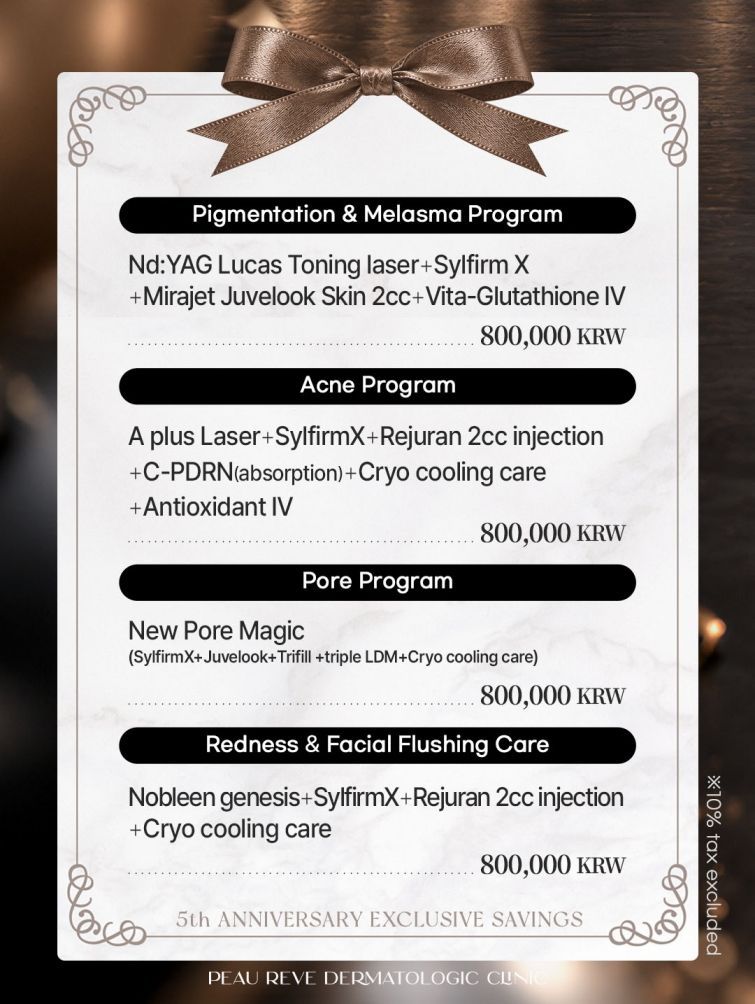
- Rejuran. Made from polynucleotides derived from salmon DNA.
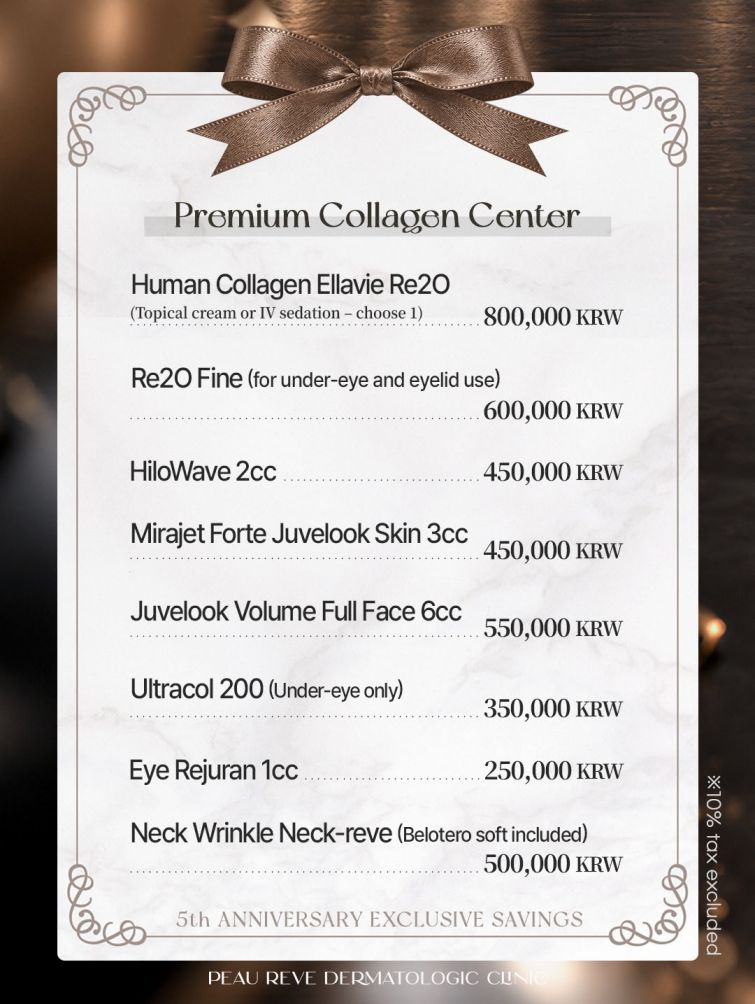
- Elravie Re2O. Described by the maker as a human-derived collagen booster.
- HA fillers and Sculptra. Typically manufactured synthetically or by fermentation, but confirm the specific product.
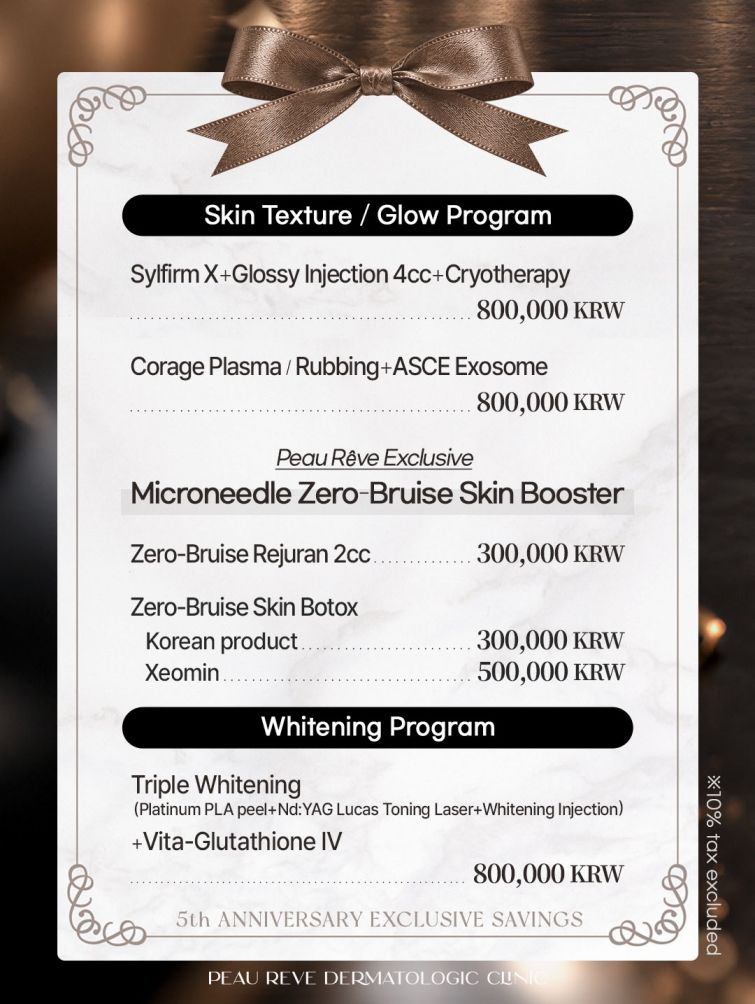
- Botulinum toxins. Formulations differ between brands, including Korean toxins and Xeomin; ask about each brand's ingredients.
Clinics cannot issue religious rulings, and halal certification of medical products varies. If this matters to you, check product information with the clinic and seek guidance from a scholar you trust.
Treatments that fit easily around modesty needs
Device-based lifting
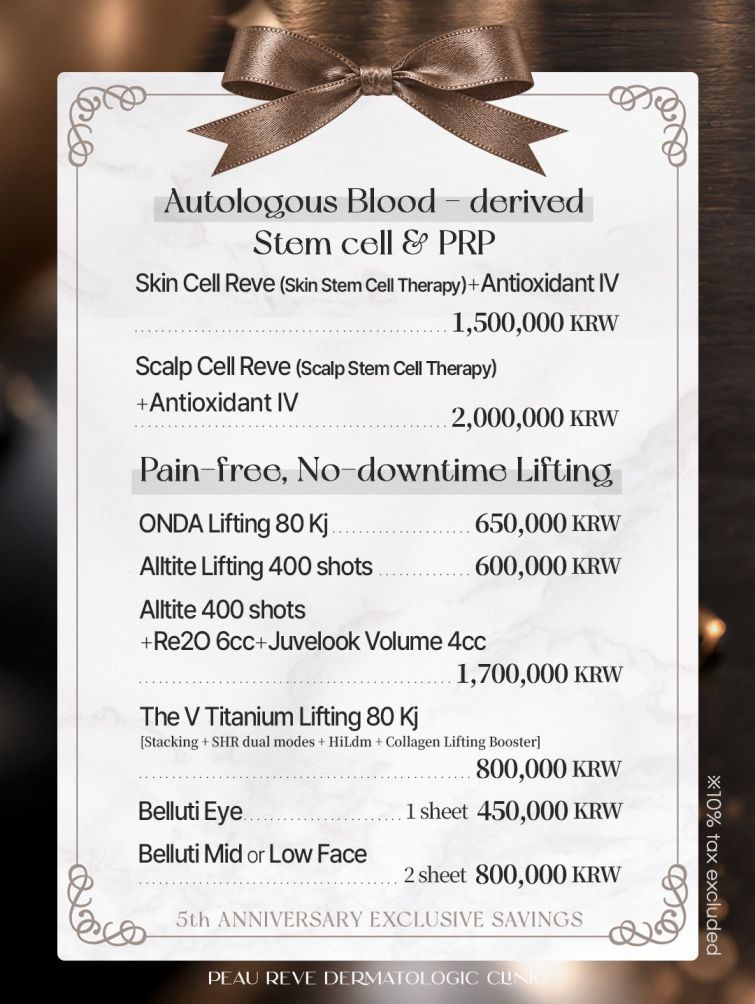
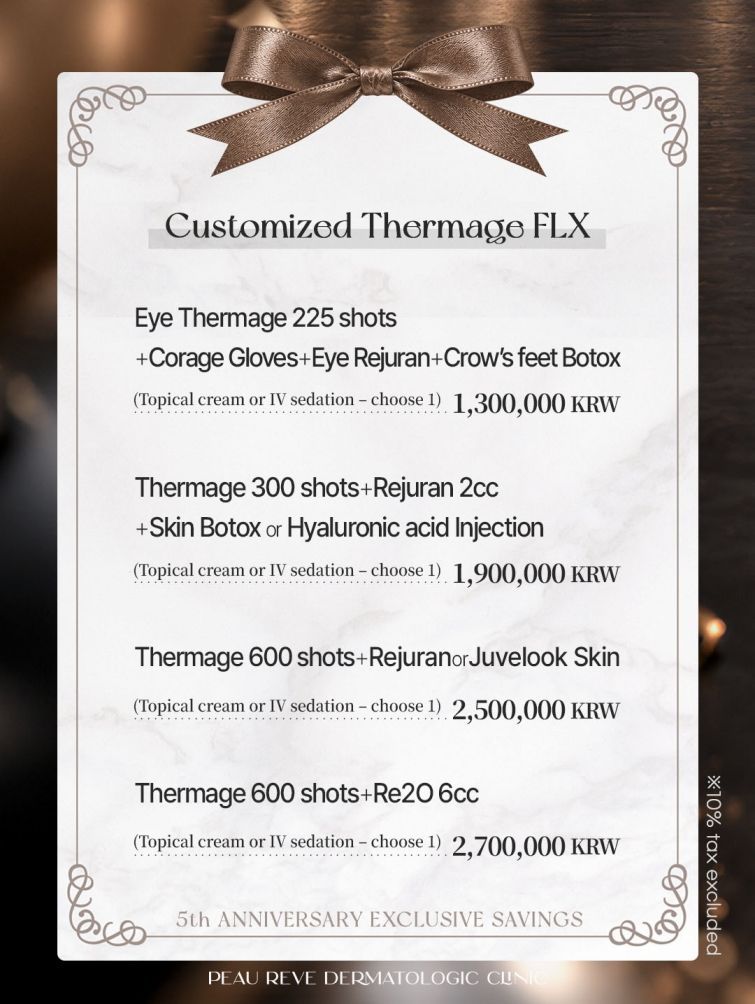
Ultherapy Prime, Thermage FLX, The V Titanium Lifting and ONDA are done on the face with no downtime, so you can leave with your hijab back in place. Titanium is known for being comfortable, and ONDA is often chosen for the jawline and double chin.
Injectables
Botox takes about 10–15 minutes and skin boosters are usually quick as well. Small injection marks can be covered with make-up the next day for many people, and the hijab does not interfere with healing.
Facials and lasers
Heal fusion PRO is a medical aqua-infusion facial with no downtime. Laser toning is a gradual series, and daily sunscreen remains important even if much of your skin is covered.
Planning around Ramadan and prayer
Some people prefer not to have injections or numbing cream while fasting, and opinions differ on what is permissible. Many patients simply schedule injectables after Ramadan, or book treatments in the evening after iftar if the clinic is open.
Fasting can also affect how you feel during a long session. If you are fasting, tell the doctor, since light-headedness during injections is more likely when you have not eaten or had fluids.
Washing for prayer is usually fine after device treatments. After injections, doctors usually advise gentle washing without rubbing or pressing the treated area for the rest of the day.
Typical prices in Cheongdam, Seoul
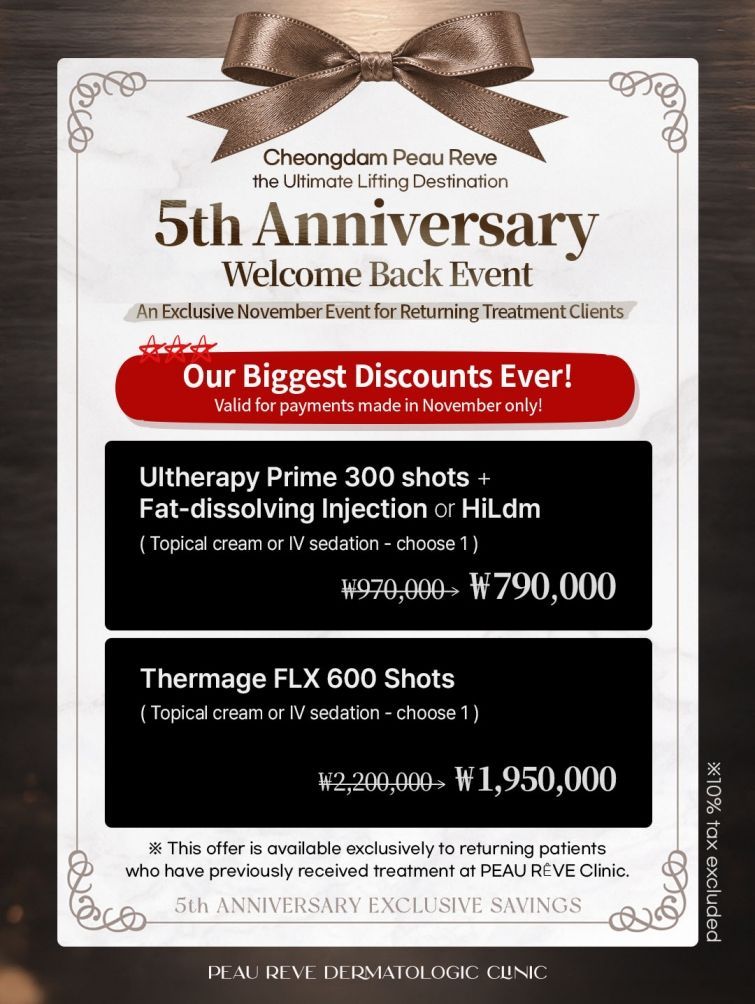
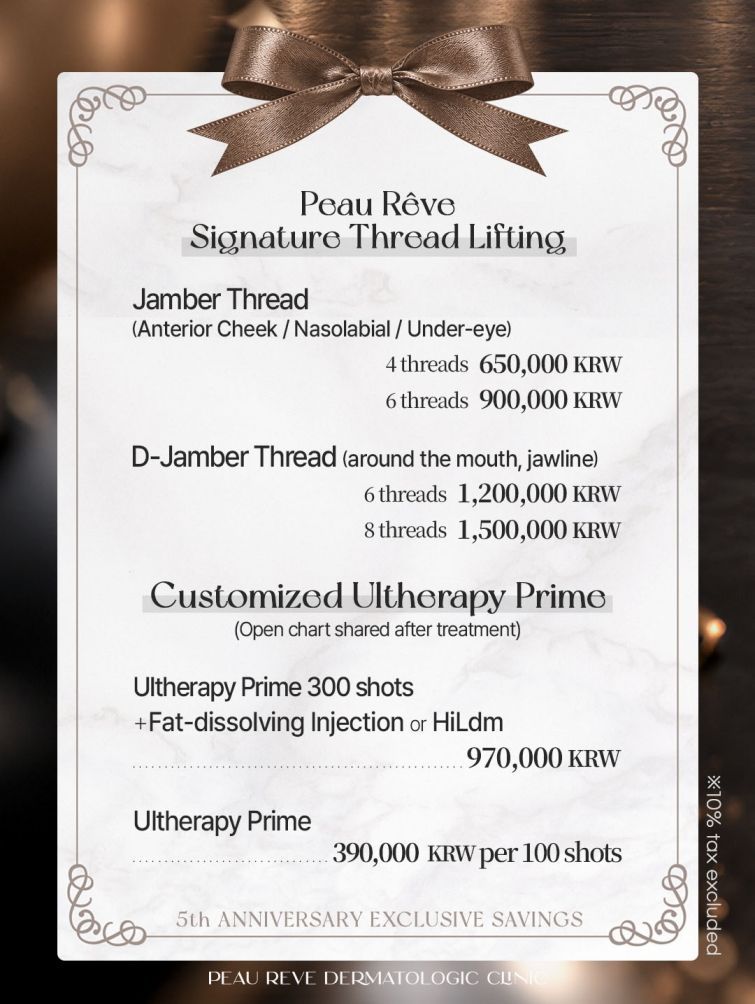
Published prices at Cheongdam clinics start around ₩390,000 per 100 shots for Ultherapy Prime, ₩800,000 for Titanium, ₩650,000 for ONDA and ₩250,000 for skin boosters. These are excl. 10% VAT, as of late 2026, and are usually the same for foreign patients. Check current prices when booking.
How to choose a clinic in Korea
- Respectful communication. The clinic should answer privacy and staff questions clearly before you arrive.
- Doctor-led treatment. Ask who performs the procedure.
- Genuine products. Ask to see sealed products and tips, which also lets you read the packaging.
- Transparent pricing. Published prices and no extra charge for foreigners.
- Aftercare. A way to send photos and questions after you return home.
Frequently asked questions
Can I keep my hijab on during facial treatments in Seoul?
Usually yes, with the front adjusted so the hairline and jaw are accessible. Ask the clinic if they provide a disposable cap or underscarf.
Can I request a female doctor at a Korean skin clinic?
You can request one, but availability varies by clinic. If no female doctor is available, ask for a female nurse or coordinator to stay in the room.
Is Botox halal?
There is no single answer, as views differ and formulations vary by brand. Ask the clinic for the product's ingredient information and consult a scholar you trust.
Are there Muslim-friendly areas near Seoul skin clinics?
Itaewon has a mosque and many halal restaurants, and it is reachable from Gangnam and Cheongdam by taxi or subway, so many visitors stay or eat there.
This article is general information and not medical advice. Results vary between individuals. Speak to a qualified doctor about whether a treatment is right for you.