Heal fusion PRO Facial in Seoul: Medical Aqua-Infusion Explained
This is a subtitle for your new post


Heal fusion PRO is a medical aqua-infusion facial that uses water pressure, gentle suction and serums to cleanse pores and push hydration into the skin. A session takes about 30–60 minutes with no downtime, so it is often booked in Seoul as a stand-alone refresh or as a calming step alongside lasers and lifting. Effects are mostly short-term and vary between people.
| Treatment type | Medical aqua-infusion facial |
|---|---|
| How it works | Water pressure, gentle suction and serum delivery |
| Session time | About 30–60 minutes |
| Downtime | None; make-up usually fine the same day |
| Good for | Congested pores, dullness, dehydration, pre-event glow |
| Frequency | Often repeated every few weeks as maintenance |
What a medical aqua-infusion facial is
Aqua-infusion facials combine three steps in one hand piece: a stream of fluid to loosen debris, suction to lift it out, and serums delivered onto freshly cleaned skin. The goal is clean, plumped, comfortable skin rather than structural change.
Heal fusion PRO is a medical-grade version of this idea used in dermatology clinics. In a clinic setting, the doctor or a trained staff member chooses serums and pressure levels according to skin type and any other treatment planned that day.
How it differs from a spa facial
- Setting. It is performed in a medical clinic, where a doctor can assess skin conditions first.
- Controlled suction. Pressure is set to the skin's tolerance, which matters for sensitive or rosacea-prone skin.
- Planned pairing. It can be timed around lasers, peels or injectables as part of a wider plan.
What happens step by step
- Skin review. Oiliness, congestion, sensitivity and recent treatments are checked.
- Gentle cleansing. Make-up and surface oil are removed.
- Aqua-exfoliation. The hand piece glides over the skin, flushing pores with fluid while suction removes loosened debris.
- Infusion. Hydrating or calming serums are pressed into the skin.
- Finish. A soothing mask, moisturiser and sunscreen complete the session.
Most people find it comfortable, with a cool, slightly tugging sensation. There are no needles and numbing is not needed.
What results to expect
Immediately after a session, skin often looks cleaner, more even and more hydrated, with a soft glow. Blackheads and surface congestion can look reduced.
These effects usually last days to a couple of weeks, depending on skin type, routine and climate. Aqua-infusion does not rebuild collagen, lift sagging skin or remove deep scars, so it is best seen as a maintenance and comfort treatment.
Who it suits
- People with oily or congested skin who want a deep cleanse without harsh extraction
- Dry or dehydrated skin after flights or seasonal changes
- Those wanting a fresh look before a meeting, photo or event
- Patients having lasers or lifting who want a soothing add-on
- Visitors to Seoul with limited time and no room for downtime
It may need adjusting or postponing if you have active cystic acne, open wounds, sunburn or a flare of eczema. Tell the clinic about prescription creams such as retinoids.
How it fits with other Korean clinic treatments
In Korea, aqua-infusion is frequently used as a support step rather than the main event. Common pairings include:
- Before laser toning. Clean skin allows even energy delivery.
- After lifting devices. Hydration and cooling help the skin feel comfortable after Thermage, Ultherapy or Titanium.
- Between booster sessions. Light maintenance between skin booster or Rejuran courses.
- With a gentle peel. A doctor may combine a mild peel for extra brightness, adding some flaking.
Timing matters. A doctor may avoid strong suction straight after injections or on freshly resurfaced skin.
Aftercare
- Keep skincare simple for the rest of the day.
- Avoid scrubs and strong acids for 24–48 hours.
- Drink water and moisturise well, especially in dry indoor air.
- Use sunscreen daily.
What affects the price in Seoul
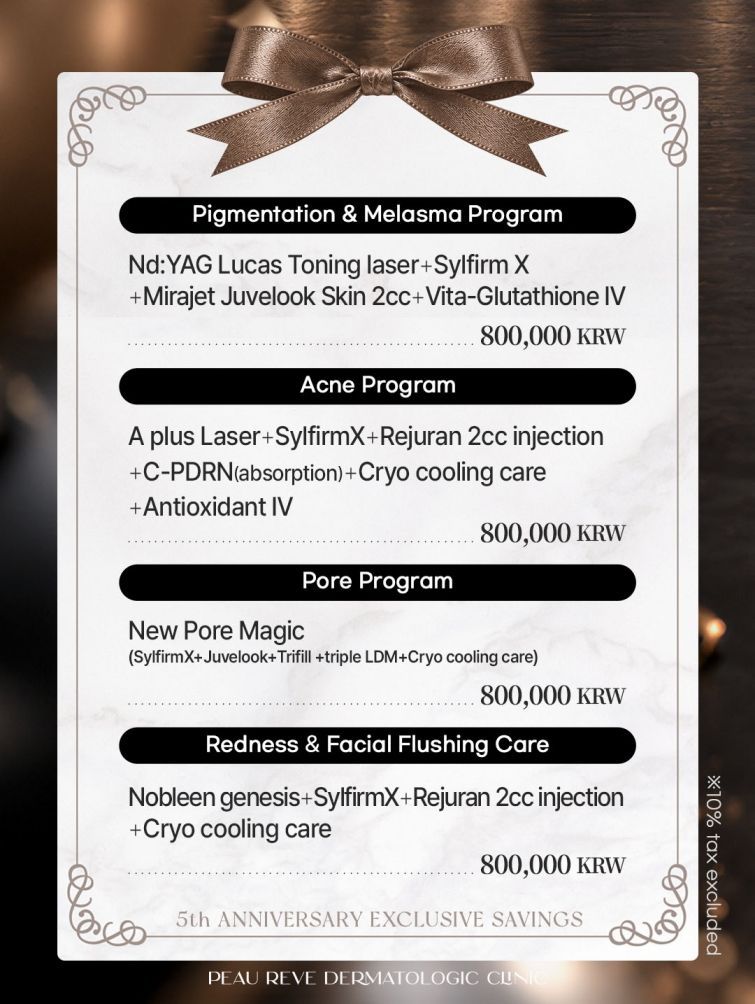
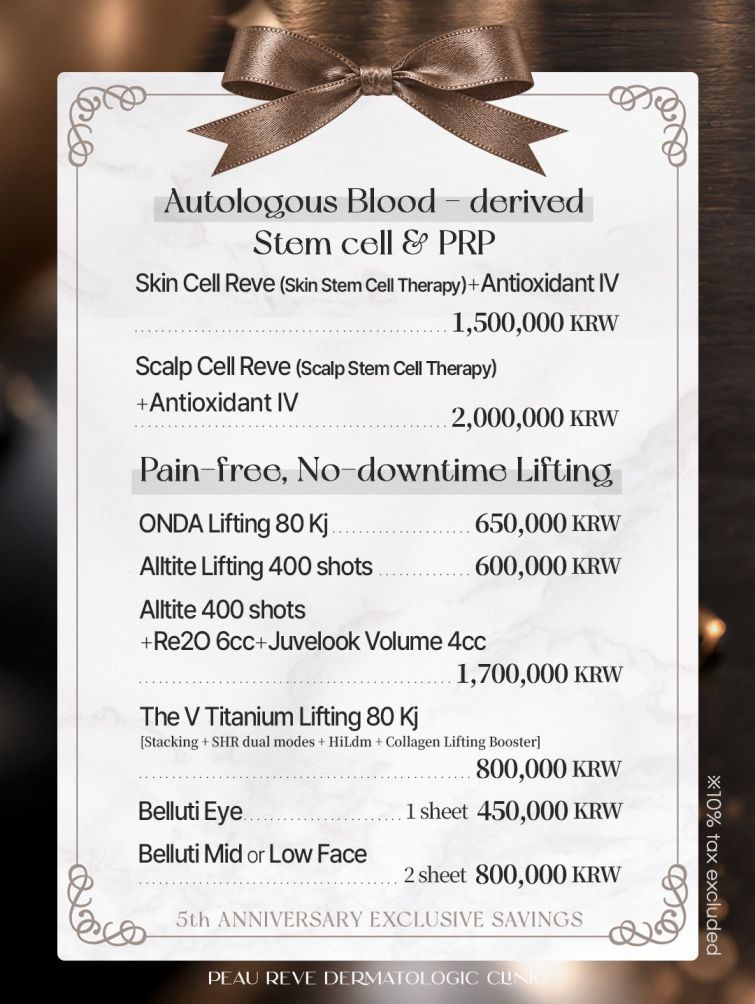
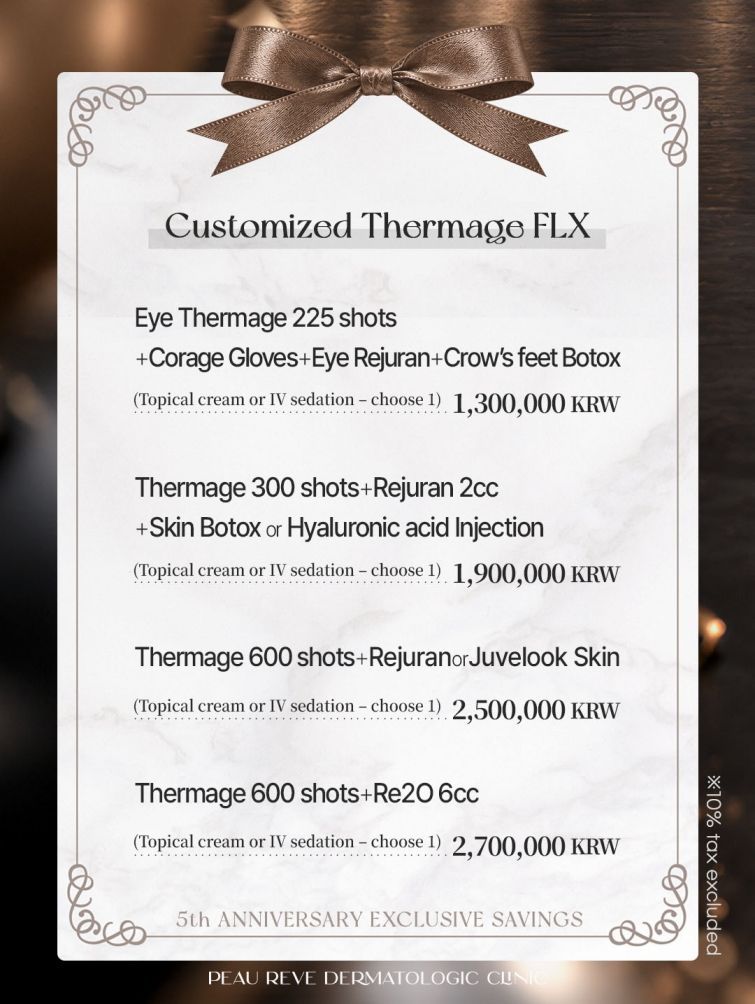
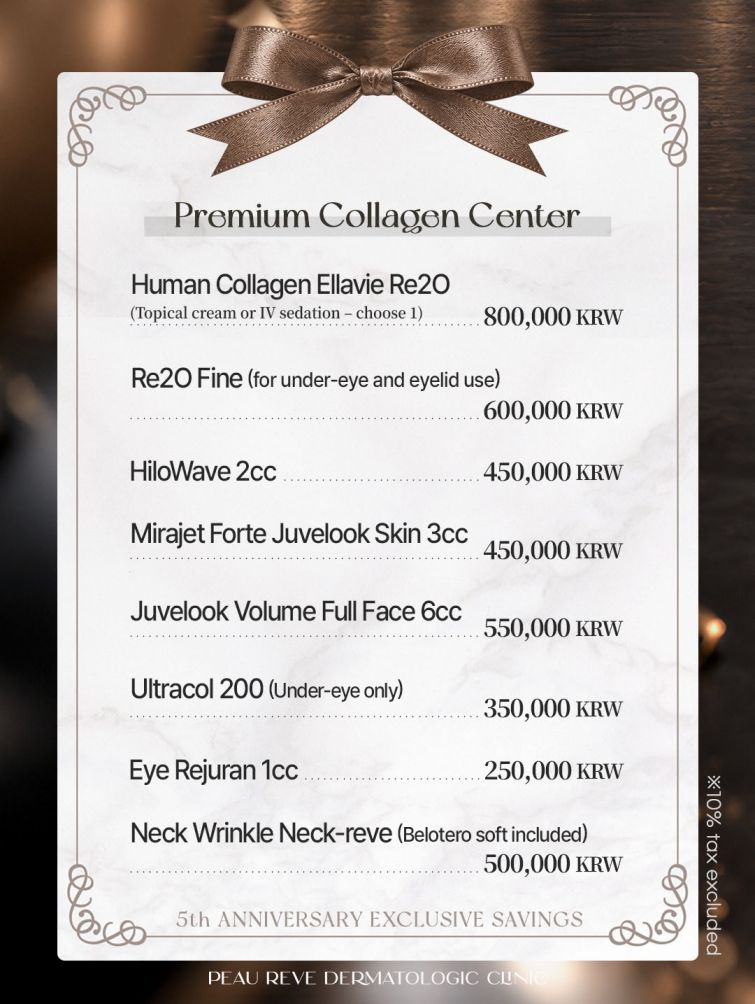
There is no single standard price for this facial in Gangnam or Cheongdam, so it helps to know what changes the quote:
- The serums or ampoules included
- Whether LED, a mask or a peel is bundled
- Single session versus a multi-session package
- Whether it is an add-on to another treatment that day
Check whether prices include 10% VAT and whether foreign patients pay the same published price.
Choosing a clinic in Korea
- Medical assessment first. A doctor should check for conditions that need different care.
- Clear menu. Look for published pricing that states what each package contains.
- Serums shown. Ask to see the products being used.
- English support. Make sure you can explain sensitivities and understand aftercare.
- Honest advice. A good clinic will say if your concern needs a stronger treatment instead.
Frequently asked questions
Is Heal fusion PRO the same as a HydraFacial?
Both belong to the same family of aqua-exfoliation and infusion facials, but they are different devices. The general principle of cleanse, extract and hydrate is similar.
How often should I get an aqua-infusion facial in Seoul?
Many people repeat it every 2–4 weeks for maintenance. Before an event, a session a few days ahead is a common choice.
Can I wear make-up after the facial?
Usually yes, the same day. Some people prefer to wait a few hours to let the skin settle.
Is it safe for sensitive skin?
Pressure and serums can be adjusted for sensitive skin, but tell the clinic about rosacea, eczema or recent treatments so the session can be planned safely.
This article is general information and not medical advice. Results vary between individuals. Speak to a qualified doctor about whether a treatment is right for you.