Skin Whitening vs Brightening at Korean Clinics: What It Really Means
This is a subtitle for your new post

At reputable Korean clinics, "whitening" and "brightening" almost always mean evening out pigment and improving radiance, not changing your natural skin colour. Treatments target excess melanin from sun damage, melasma or acne marks, and dullness from dehydration or rough texture. Your baseline skin tone stays the same, and results vary.
| Feature | "Whitening" (pigment correction) | "Brightening" (radiance) |
|---|---|---|
| Main target | Excess melanin: spots, melasma, marks | Dullness, dehydration, rough surface |
| Typical treatments | Laser toning, pigment lasers, peels | Skin boosters, aqua-infusion, gentle peels |
| Speed | Gradual over a series | Often visible within days |
| Downtime | Usually low; varies by laser | Little to none |
| Changes natural tone? | No | No |
Why the words cause confusion
In Korean and wider East Asian skincare, the word often translated as "whitening" historically described products that reduce dark spots and uneven tone. Many brands and clinics now prefer "brightening" or "tone-up" in English because "whitening" can sound like bleaching.
In a medical setting, neither term should mean lightening healthy skin below its natural shade. If a clinic promises to make you several shades lighter, treat that as a warning sign.
What "whitening" treatments actually do
These treatments reduce pigment that has built up where it should not. Common targets include:
- Sun spots and freckles. Well-defined spots from UV exposure.
- Melasma. Hormone- and sun-linked patches, often on cheeks and upper lip, which need gentle settings.
- Post-inflammatory hyperpigmentation. Brown marks left after acne, bites or irritation.
- General uneven tone. Patchy colour across the face.
Common methods
- Laser toning. Low-energy laser passes over a gradual series to break up pigment with minimal irritation.
- Targeted pigment lasers. Higher energy for distinct spots, which may form tiny crusts for several days.
- Chemical peels. A 3–6 session series with 2–5 days of flaking can help shed pigmented surface cells.
- Topicals. Doctors may prescribe pigment-reducing creams to support in-clinic work.
What "brightening" treatments actually do
Brightening focuses on how skin reflects light. Hydrated, smooth skin looks more luminous even if its pigment does not change.
- Skin boosters. Injectable hydration such as hyaluronic acid or polynucleotides improves plumpness and glow.
- Aqua-infusion facials. Cleansing and hydration give quick, short-term radiance.
- Gentle exfoliation. Light peels remove dull surface cells.
- Skin Botox. Tiny doses can reduce oiliness and refine texture, which can make skin look smoother.
Where glutathione fits in
Glutathione drips and injections are often marketed for skin tone in Asia. Glutathione is an antioxidant, but evidence that it lightens pigment on its own is limited.
Many doctors in Korea describe it as a supportive wellness option rather than a pigment treatment. If you are considering it, ask what the doctor expects it to add to proven methods such as sunscreen, lasers and topicals.
How Seoul clinics usually plan a tone programme
- Diagnosis. The doctor separates melasma, sun spots, marks and dullness, because they respond differently.
- Calm the skin. Irritated skin can darken after treatment, so the barrier comes first.
- Treat pigment gently. A laser toning or peel series is spaced to avoid rebound darkening.
- Add radiance. Boosters or hydration facials are layered in for glow.
- Protect daily. Sunscreen is essential, as UV can undo progress quickly.
Risks to understand
- Rebound pigmentation. Aggressive lasers on melasma can make patches darker.
- Hypopigmentation. Over-treatment can rarely leave lighter spots.
- Unregulated products. Creams containing hidden steroids or mercury, sold outside clinics, can harm skin. Medical treatment in Korea avoids these.
What drives the cost
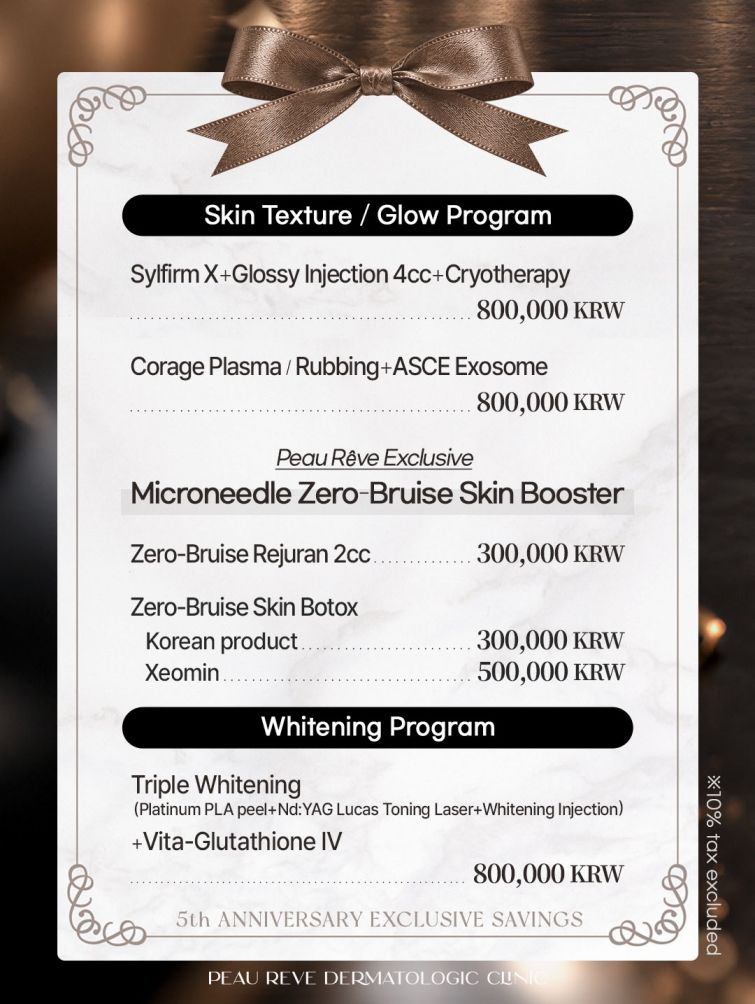
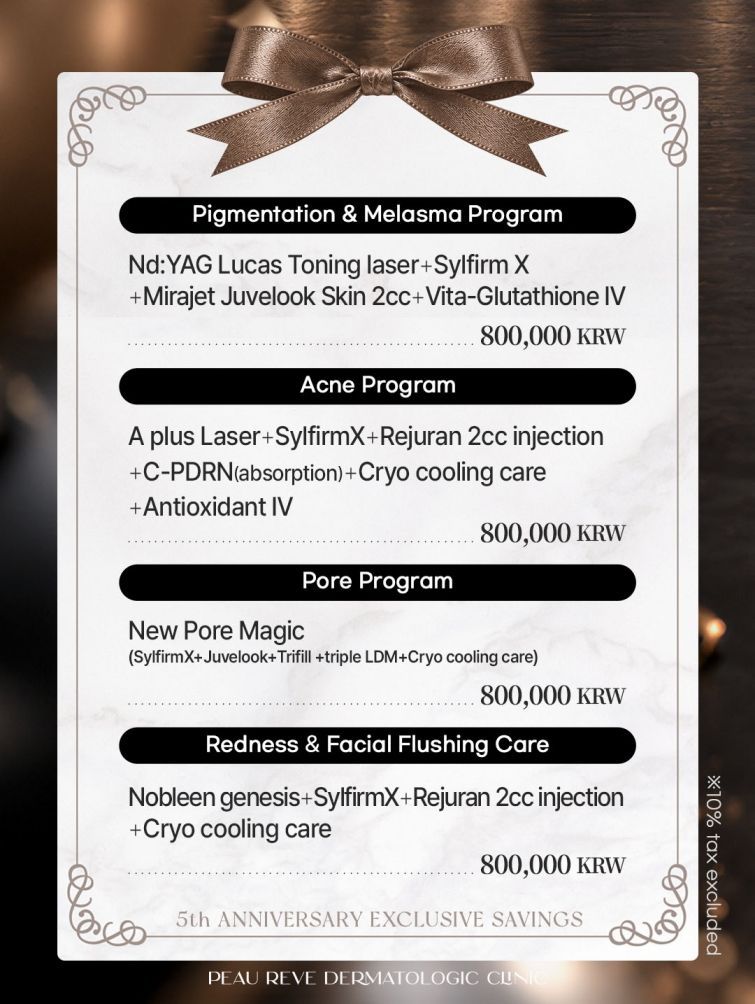
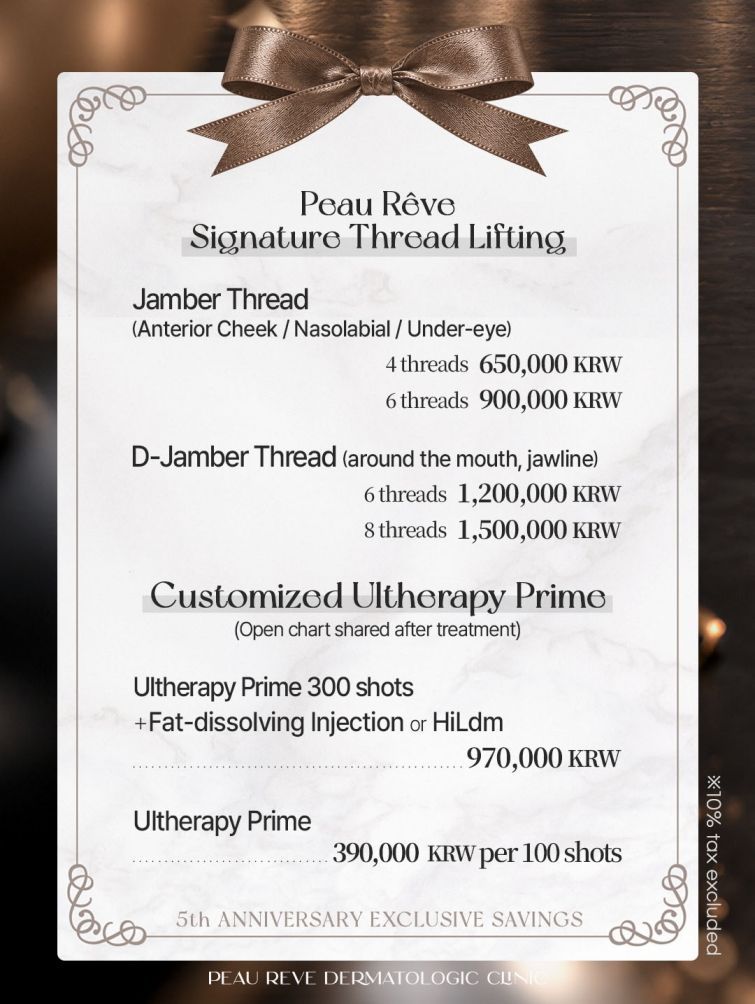
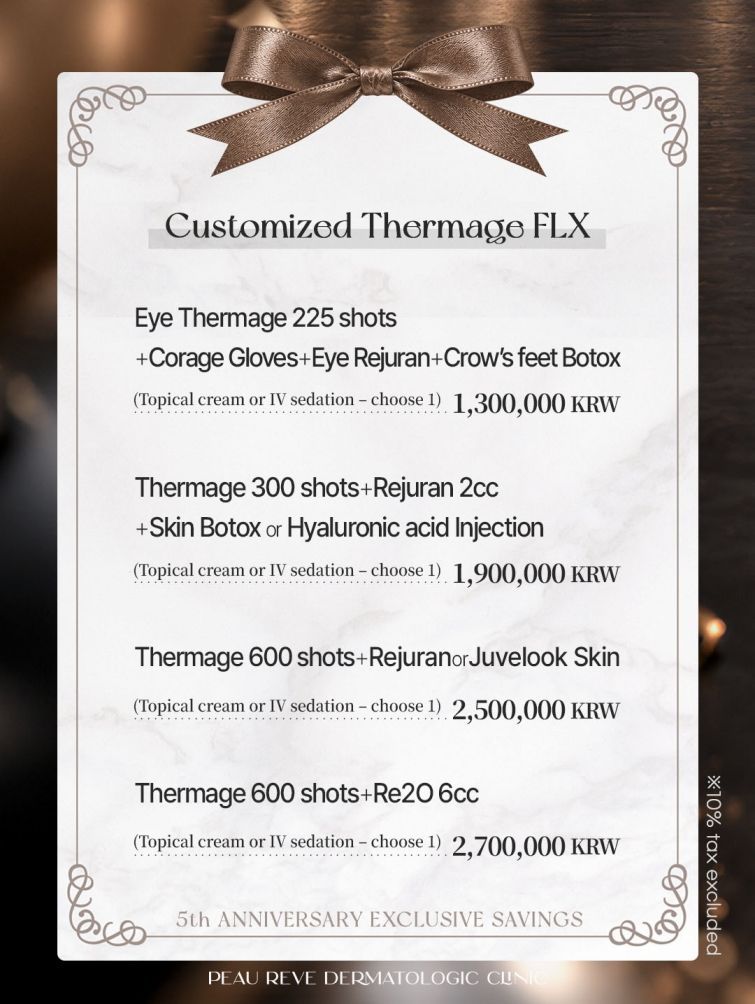
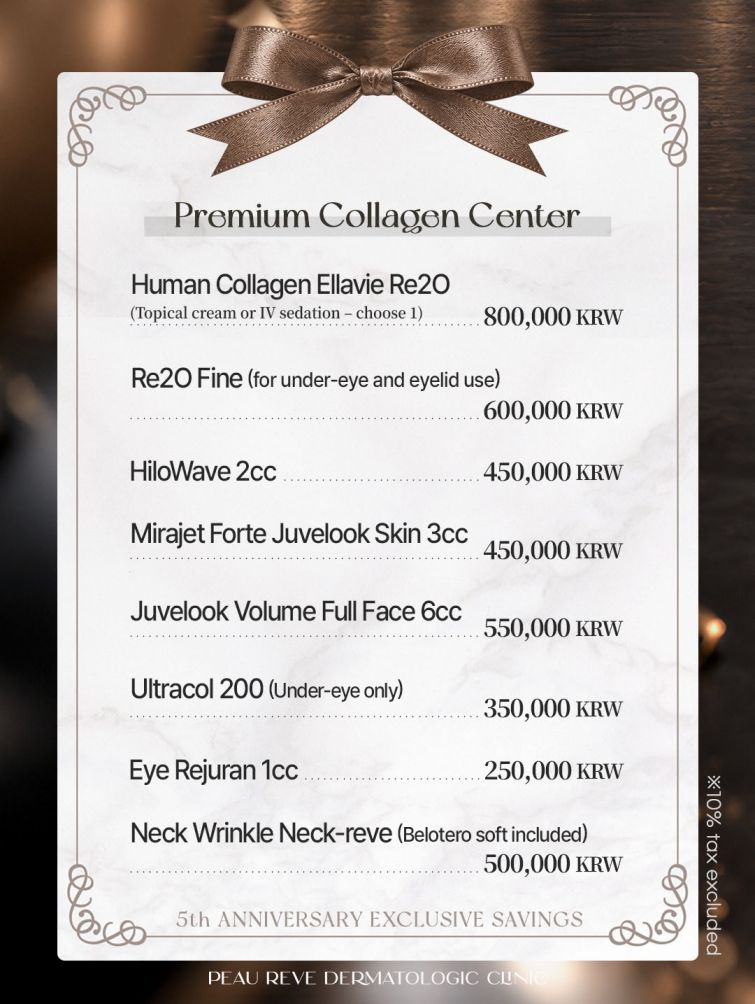
Laser toning, pigment lasers, melasma care and peels are priced by device, area and number of sessions, so quotes vary. Published skin booster prices at Cheongdam clinics start around ₩250,000 (excl. 10% VAT, as of late 2026); check current prices, as packages change.
Questions to ask at your consultation
- What type of pigment do I have, and how will it respond?
- Will the doctor adjust the laser settings for melasma or darker skin?
- How many sessions are realistic before review?
- Are products and laser settings shown and explained before use?
- Is the published price the same for foreigners, and is VAT included?
- What aftercare and follow-up are provided in English?
Frequently asked questions
Do Korean clinics really whiten skin?
Reputable clinics treat excess pigment and dullness. They do not change your natural skin colour, and a promise to do so should be questioned.
Is laser toning safe for melasma?
Low-energy toning is often used for melasma, but it needs gentle settings and a gradual series. Melasma can return, so maintenance and sun protection matter.
How long until brighter skin shows?
Hydration-based brightening can show within days. Pigment correction is gradual and usually judged after several sessions.
Does glutathione lighten skin?
Evidence for glutathione alone is limited. Doctors generally treat it as supportive rather than a main pigment treatment.
This article is general information and not medical advice. Results vary between individuals. Speak to a qualified doctor about whether a treatment is right for you.