Aftercare After Korean Skin Treatments: Sunscreen, Sauna and Skincare Rules
This is a subtitle for your new post


After most Korean skin treatments, the core aftercare rules are daily high-SPF sunscreen, no sauna or jjimjilbang for a few days, gentle skincare without strong acids or retinoids, and no rubbing or pressing treated areas. How long each rule applies depends on the treatment, from a day after Botox to a week or more after lasers and threads. Always follow the written aftercare your doctor in Seoul gives you, as it overrides general advice.
| Sunscreen | Every day, reapplied outdoors; essential after lasers and peels |
|---|---|
| Sauna and jjimjilbang | Usually avoid for at least a few days; longer after lasers or threads |
| Exercise | Light activity is often fine; avoid intense workouts for 24–48 hours |
| Retinoids and acids | Pause for several days, longer after resurfacing |
| Make-up | Often next day; avoid on broken or flaking skin |
| Alcohol | Limit for a day or two to reduce swelling and bruising |
Rule 1: Sunscreen every day
Healing skin is more vulnerable to UV damage and pigmentation. This is especially true after lasers, peels and microneedling, where the outer layer is temporarily weaker.
- Use broad-spectrum SPF 50. Apply generously in the morning, including the neck and ears.
- Reapply outdoors. Every two to three hours, or after sweating.
- Add physical protection. A hat and sunglasses help when sightseeing in Seoul.
For melasma and laser toning, sun protection is part of the treatment itself, not just aftercare. Without it, pigment can return quickly.
Rule 2: Avoid heat for a few days
Saunas, jjimjilbang, hot yoga and very hot baths raise skin temperature and blood flow. This can increase swelling and redness, and after injectables it may affect bruising.
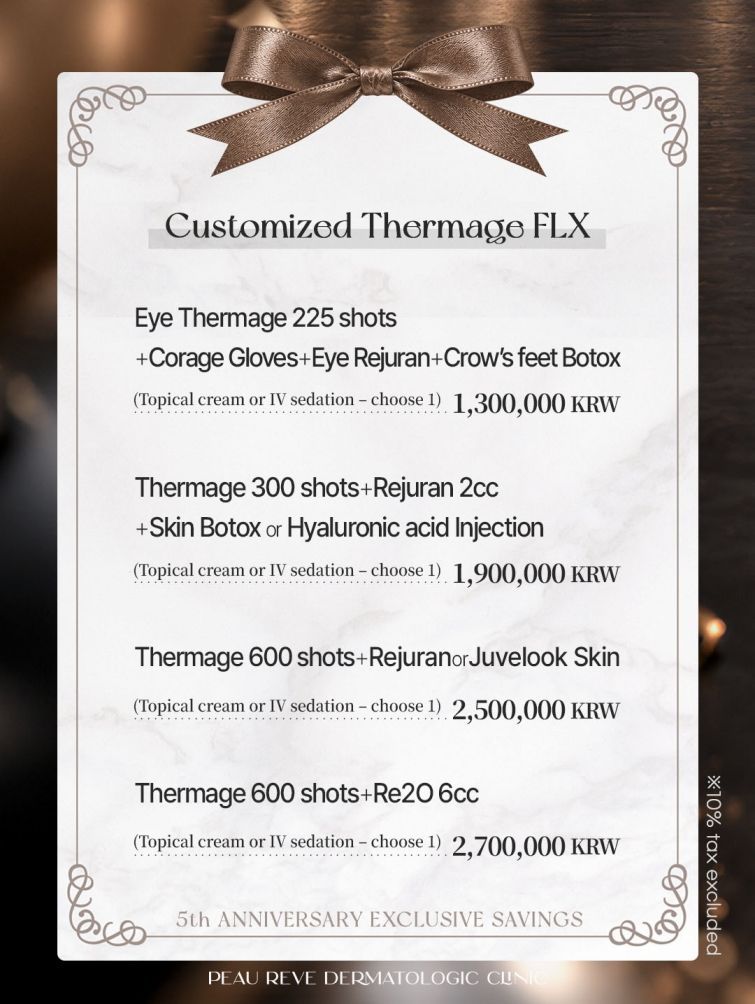
- After Thermage or Ultherapy. Many doctors advise avoiding saunas and very hot baths for a few days.
- After fillers and Botox. Avoid heat for at least a day or two.
- After lasers, peels and threads. Wait until redness, flaking or swelling has settled, often a week or more.
Rule 3: Keep skincare simple
For the first few days, use a gentle cleanser, a plain moisturiser and sunscreen. Avoid products that can irritate healing skin.
- Pause actives. Retinoids, AHAs, BHAs, vitamin C serums and scrubs usually stop for several days, and longer after Fraxel or peels.
- Avoid new products. A trip to Seoul is a tempting time to buy skincare, but test new products only after your skin has fully healed.
- Use what the clinic recommends. Many clinics supply a barrier cream or soothing gel after lasers or exosome treatments.
Rule 4: Hands off treated areas
Rubbing, massaging or pressing can shift fresh filler, irritate injection points or disturb threads. After Botox, most doctors advise avoiding pressure on the area and not lying flat for several hours.
One exception is Sculptra, where the 5-5-5 massage routine is part of aftercare to spread the product evenly. Follow the exact instructions you are given.
Aftercare by treatment type
Lifting devices
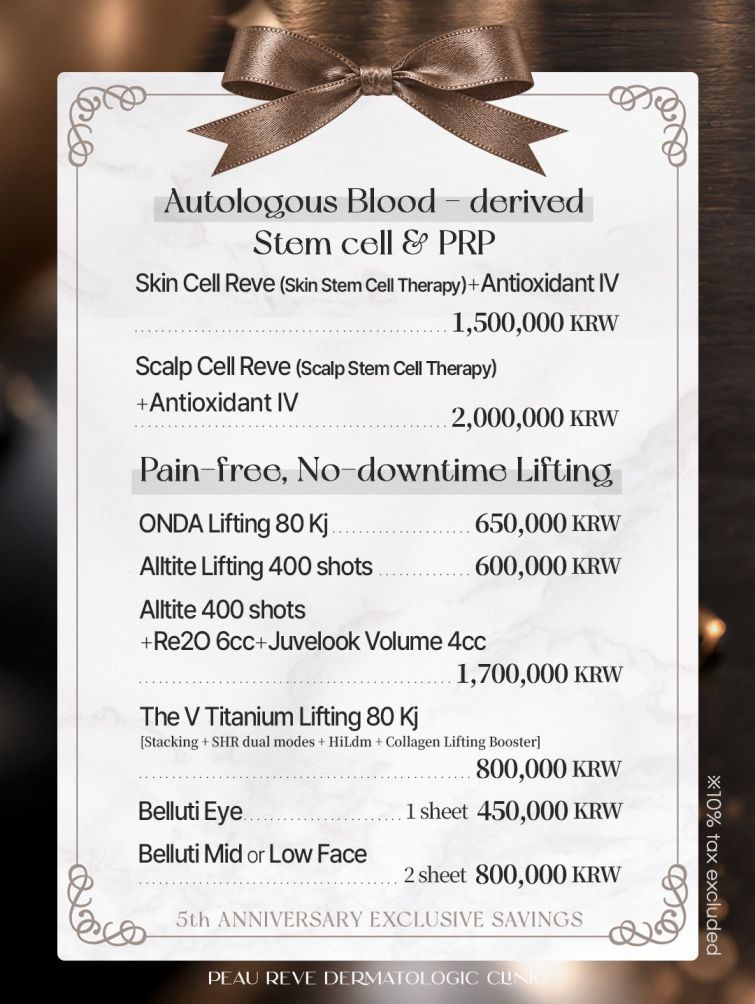
Ultherapy, Thermage, Titanium, ONDA and Alltite have no downtime. Mild redness or tenderness may last hours to a day. Moisturise, use sunscreen and avoid heat for a few days.
Injectables
After Botox, avoid exercise, heat and pressure on the area for the rest of the day. After fillers, expect possible swelling and bruising for several days, and avoid dental work or facial massage for a period your doctor advises.
Thread lifts
Swelling usually lasts 3–7 days. Avoid wide mouth opening, hard chewing, sleeping face-down and facial massage until your doctor says otherwise.
Skin boosters
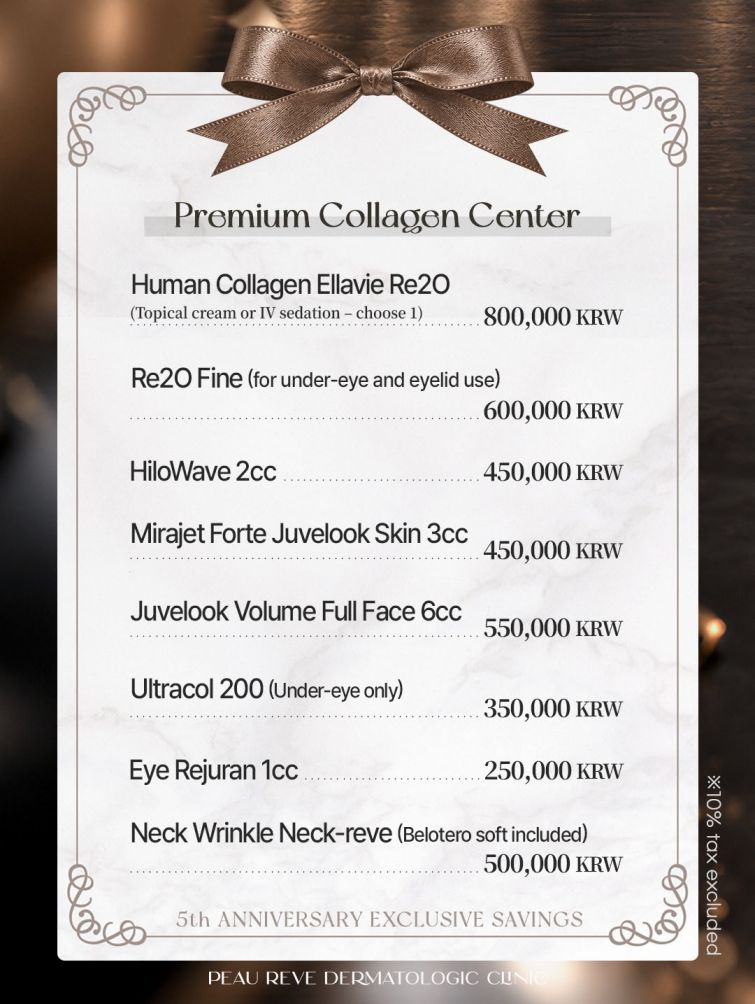
Rejuran, Re2O and Juvelook can leave small bumps for 1–3 days. Do not squeeze them. Avoid make-up on injection points until the next day.
Lasers, peels and microneedling
Fraxel causes 3–5 days of redness and flaking, peels 2–5 days of flaking and microneedling 1–3 days of redness. Do not pick at flakes. Moisturise often and keep out of strong sun.
When to contact your doctor
- Pain that worsens instead of improving
- Skin colour change, blanching or a dusky patch after filler
- Blisters, crusting or signs of infection
- Swelling that increases after the first few days
- Changes in vision, which is a medical emergency after facial injections
If you have returned home from Korea, contact the clinic and also see a local doctor promptly for anything urgent.
How to choose a clinic in Korea that supports aftercare
- Written aftercare in English. Clear instructions you can follow at home.
- Doctor-led follow-up. A doctor who reviews your photos or sees you before you fly.
- Genuine products and tips. Shown before use, which reduces the risk of avoidable complications.
- Transparent pricing. Including whether follow-up visits are charged.
- Easy contact. A messaging channel that works from abroad.
Frequently asked questions
When can I go to a jjimjilbang after treatment in Seoul?
Usually not for at least a few days after lifting or injectables, and longer after lasers, peels or threads. Ask your doctor for a specific date.
When can I wear make-up after skin treatments in Korea?
After most lifting devices, often the same day or next day. After injections, wait until the next day, and after lasers or peels, wait until the skin is no longer broken or flaking.
When can I restart retinol after a laser?
Commonly after the skin has fully healed, which may be one to two weeks after resurfacing. Your doctor may advise a different timeline.
Can I exercise after Ultherapy or Thermage?
Light exercise is usually fine soon after, but many doctors suggest avoiding intense workouts and heat for a day or two.
This article is general information and not medical advice. Results vary between individuals. Speak to a qualified doctor about whether a treatment is right for you.