What Happens at a Doctor-Led Consultation at a Korean Skin Clinic?
This is a subtitle for your new post


At a doctor-led consultation in a Korean skin clinic, a doctor examines your skin in person, reviews your medical history, explains which treatments suit your concerns and why, and gives you a written plan and price before anything is done. It usually takes 10–30 minutes. A good consultation should leave you free to say no, ask questions or think it over.
| Who you see | A licensed doctor, often with a coordinator or interpreter |
|---|---|
| Typical length | About 10–30 minutes |
| What is assessed | Skin type, laxity, volume, pigment, texture and medical history |
| What you receive | A treatment plan with session counts, timing and prices |
| Before treatment | Consent form, photos and product or tip check |
Why a doctor-led consultation matters
In many busy clinics, the first person you speak to is a counsellor or coordinator whose role is to explain packages and prices. That can be helpful, but it is not a medical assessment.
A doctor-led consultation means the person who understands anatomy, contraindications and treatment depth is the one deciding what suits you. In Seoul, many boutique clinics in Cheongdam place the doctor at the centre of the visit, while high-volume clinics may separate consultation and treatment more.
Step-by-step: what usually happens
- Arrival and forms. You fill in a health questionnaire covering medications, allergies, pregnancy, past procedures and conditions such as keloid scarring or cold sores.
- Cleansing and photos. Make-up may be removed, and standardised photos are taken to compare results later.
- Skin analysis. Some clinics use a skin imaging device to show pigment, redness and pores. This supports but does not replace the doctor's examination.
- Doctor's examination. The doctor looks at you from the front and side, checks skin thickness and elasticity, and may ask you to smile or frown to see muscle movement.
- Discussion of goals. You explain what bothers you, and the doctor explains what is realistic.
- Treatment plan. The doctor recommends treatments, shot counts or units, number of sessions and spacing.
- Pricing and consent. A coordinator usually confirms prices; you read and sign a consent form if you decide to go ahead.
What the doctor is looking for
- Laxity. Whether skin is loosening and at which depth, which helps choose between Thermage, Ultherapy, threads or a combination.
- Volume loss. Hollows in the temples, cheeks or under-eyes that might need filler or collagen stimulators.
- Skin quality. Texture, thinness, pores and dehydration, which may point to boosters such as Rejuran or Re2O.
- Pigment and redness. Melasma, sun spots or rosacea, which change which lasers are safe.
- Muscle activity. Strong expression lines that respond to Botox.
- Safety factors. Implants, pacemakers, active infection, recent filler or medications that affect bleeding.
Signs of a good consultation
A good doctor explains the reason for each recommendation in plain language. They tell you what a treatment will not do as well as what it can do.
They may suggest fewer treatments than you expected, or advise waiting. They mention common side effects and rare risks, and they are happy for you to take the plan away and decide later.
Warning signs
- Pressure to decide immediately or to buy a large package on the day
- No doctor examination before a price is given
- Vague answers about who will perform the treatment
- Prices that change when you say you are a foreigner
- Reluctance to show the product, tip or cartridge before use
Understanding the price quote
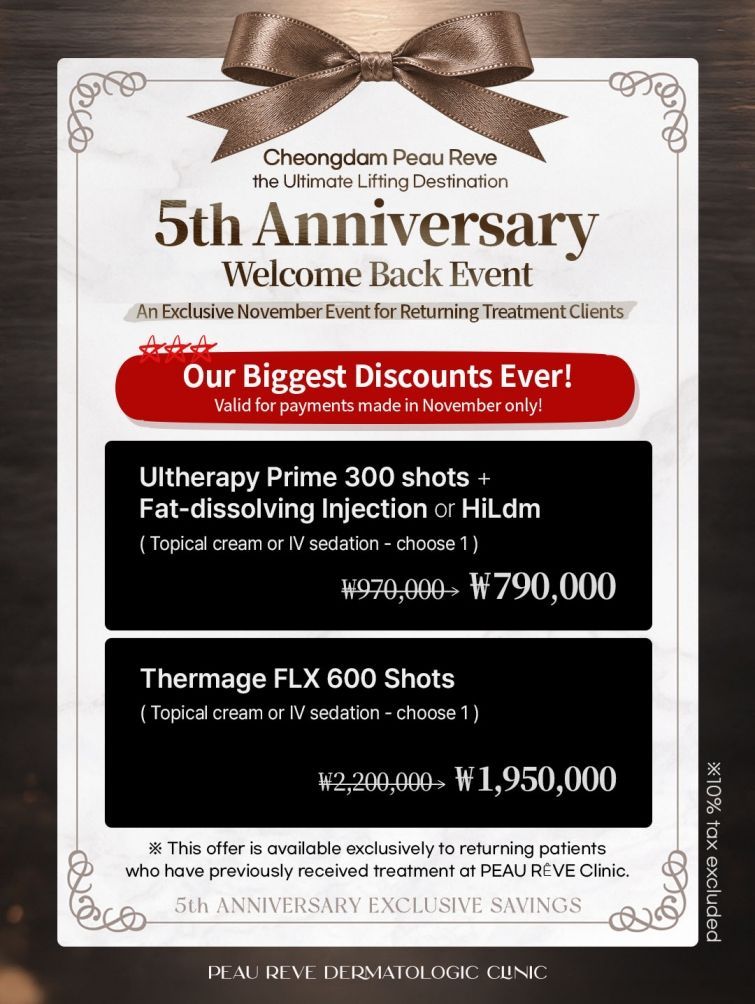
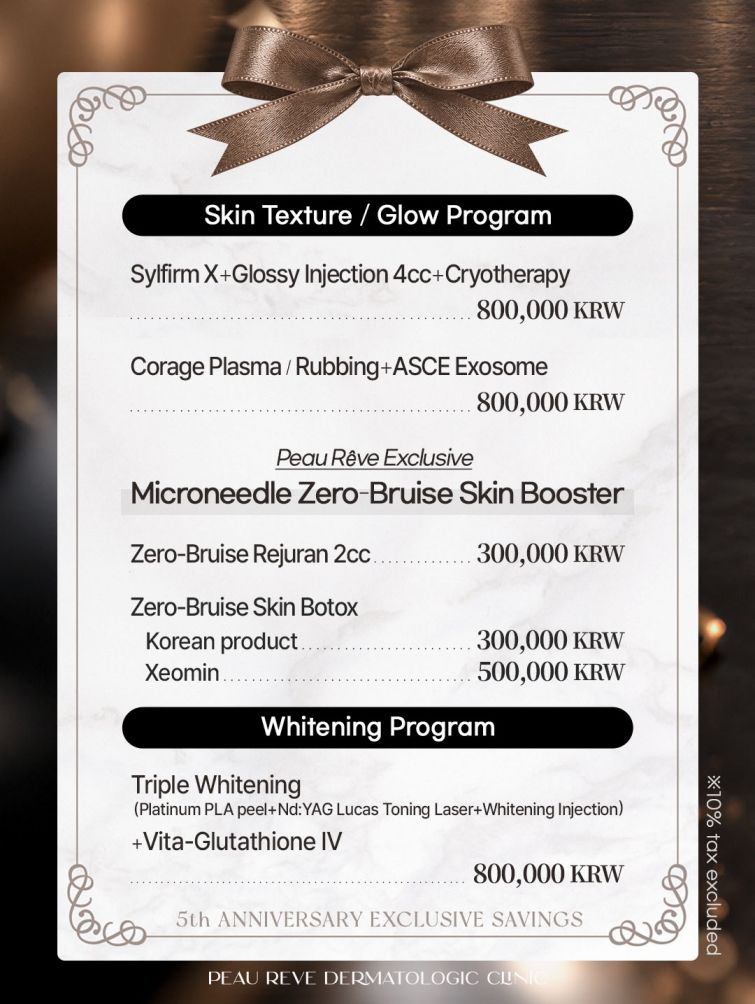
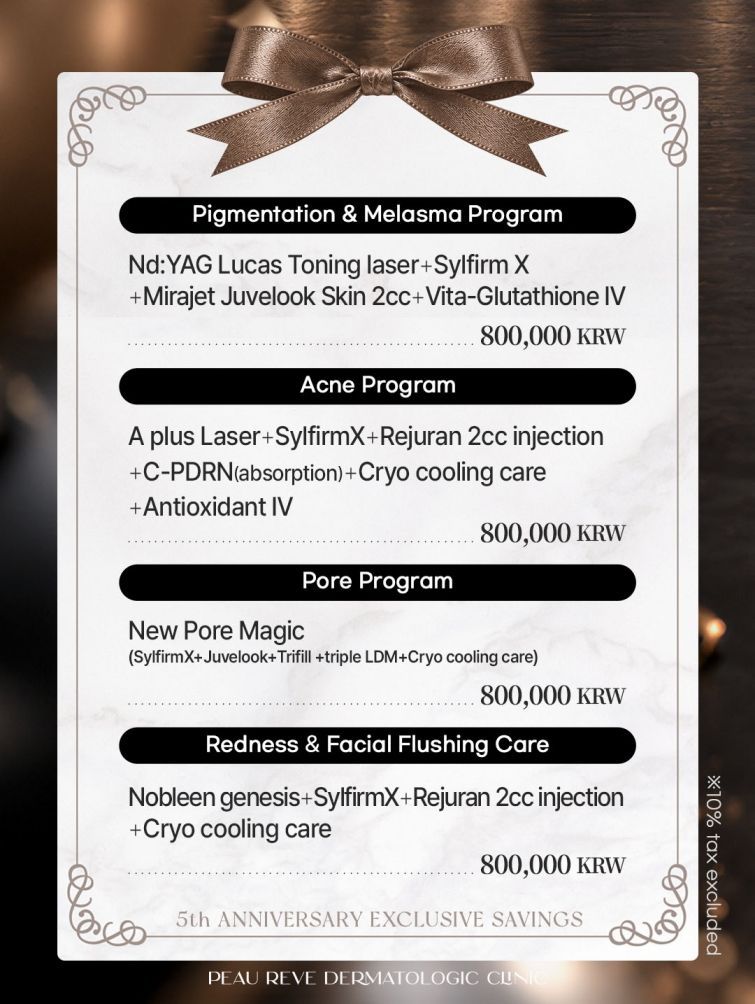
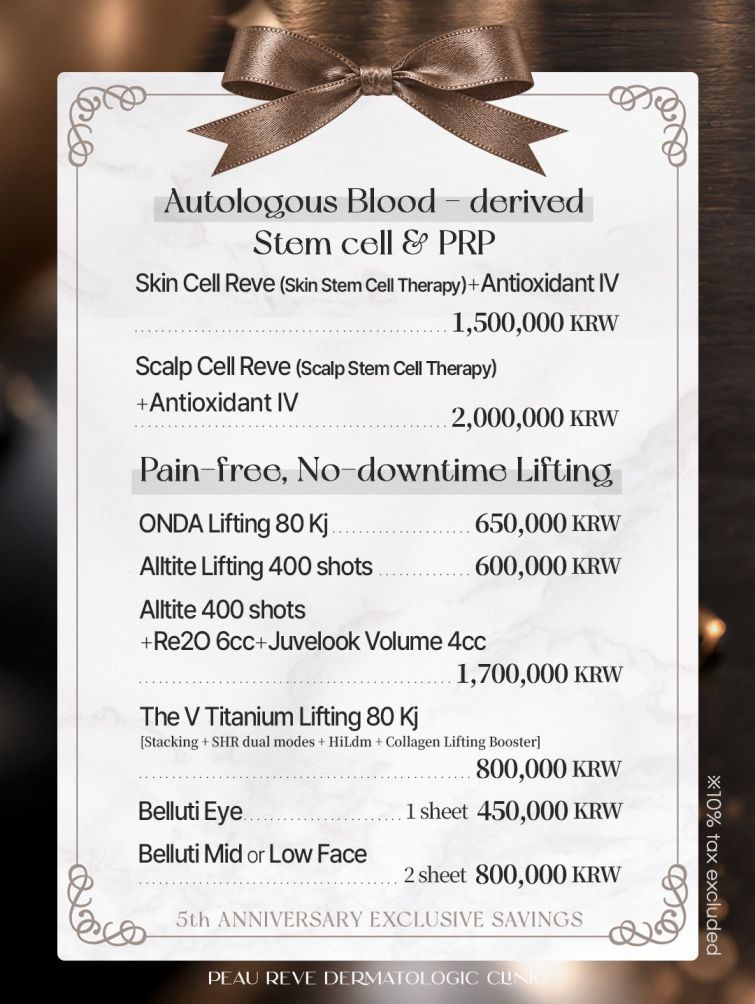
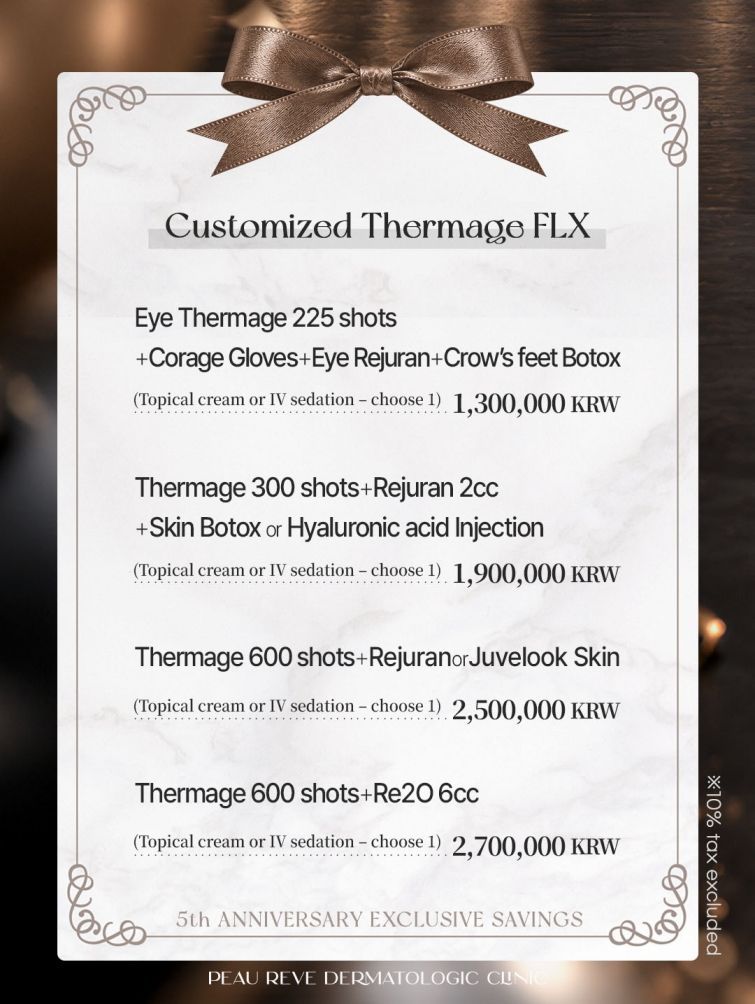
Ask for a breakdown by treatment, area and quantity. For example, published prices at Cheongdam clinics start around ₩390,000 per 100 shots for Ultherapy Prime, so the shot count makes a big difference to the total. Thermage FLX packages start around ₩1,300,000, and skin boosters start around ₩250,000.
These are starting prices excl. 10% VAT, as of late 2026. Confirm whether VAT is included in your quote and check current prices.
Questions to ask at your consultation
- What is the main cause of my concern, and which treatment addresses it?
- Will you, the doctor, perform the treatment yourself?
- How many shots, units or syringes do you recommend, and why?
- When will I see results, and how long do they usually last?
- What are the common side effects and what should I watch for?
- Can I see the sealed product, tip or cartridge before you start?
- Is this price the same for all patients, and does it include VAT?
- How do I contact you after treatment, especially from abroad?
Frequently asked questions
Is the consultation free at Korean skin clinics?
Policies vary. Many clinics in Korea do not charge separately when you go ahead with treatment, but ask when booking.
Do I see the doctor or a counsellor in Seoul clinics?
It depends on the clinic. Ask in advance whether a doctor will examine you and whether the same doctor will treat you.
Can I get treatment on the same day as the consultation?
Often yes, for treatments such as lifting devices or Botox. You should still feel free to wait if you need time to decide.
Do consultations in Gangnam and Cheongdam have English support?
Many clinics in these areas have English-speaking coordinators or doctors. Confirm before booking so consent and aftercare are fully understood.
This article is general information and not medical advice. Results vary between individuals. Speak to a qualified doctor about whether a treatment is right for you.