Hollow Temples and Sunken Cheeks: Volume Restoration in Korea
This is a subtitle for your new post

Hollow temples and sunken cheeks are usually treated in Korea with hyaluronic acid (HA) filler for a quick, reversible result, or with collagen stimulators such as Sculptra and Juvelook Volume for gradual, longer-lasting support. Many doctors combine the two, placing small amounts conservatively so the face looks rested rather than filled. The right choice depends on how much volume is missing and how quickly you want to see change.
| Feature | HA filler | Collagen stimulator (Sculptra / Juvelook Volume) |
|---|---|---|
| How it works | Fills space directly with gel | Triggers the body to build its own collagen |
| When results show | Immediately | Gradually over 2–3 months |
| Sessions | Usually 1, with touch-ups | Sculptra 2–3; Juvelook 3–5 |
| How long it lasts | About 6–18 months | Sculptra can last 24+ months |
| Reversible? | Yes, with hyaluronidase | No |
Why temples and cheeks become hollow
The face loses volume in several layers with age. Fat pads shrink and shift, bone in the cheeks and around the eyes slowly remodels, and the skin thins.
The temples are often one of the first places to hollow, which can make the forehead and eyebrows look narrower. Sunken cheeks create shadows below the cheekbones and can make the lower face look heavier, even when there is no real sagging.
Weight loss, intense endurance exercise and genetics also play a part, so hollowing can appear in people in their 20s and 30s.
Option 1: HA filler
HA filler is a gel that adds volume straight away. In the temples it is often placed deep, close to the bone, using a needle or a blunt cannula. In the cheeks it can lift the mid-face and soften shadows.
- Pros. Instant result, adjustable, and reversible with hyaluronidase if needed.
- Cons. Lasts roughly 6–18 months, and too much product can look heavy or puffy.
- Best for. People who want a visible change during a short trip, or who are trying volume for the first time.
Option 2: Collagen stimulators
Sculptra is poly-L-lactic acid (PLLA). It is given in 2–3 sessions about 4–6 weeks apart, and results build over 2–3 months as new collagen forms. Many people keep the result for 24 months or more. After treatment, the 5-5-5 massage routine is usually advised to spread the product evenly.
Juvelook combines PDLLA with HA. The Volume type is used for deeper support, typically over 3–5 sessions, and small bumps for 1–3 days are common.
- Pros. Natural, gradual change; longer-lasting; improves skin quality as well as volume.
- Cons. Needs several sessions, not reversible, and the result is not visible on day one.
- Best for. Broad, diffuse hollowing, and people who can return for a series.
Safety: why technique matters in these areas
The temples and cheeks contain important blood vessels. Experienced doctors use anatomical knowledge, careful injection depth, slow injection and often cannulas to reduce the risk of a filler entering a vessel.
Common side effects include swelling, tenderness and bruising for a few days. Rare but serious complications, such as vascular occlusion, need immediate treatment, which is one reason to choose a doctor-led clinic that stocks hyaluronidase and has a clear emergency plan.
Combining volume with lifting
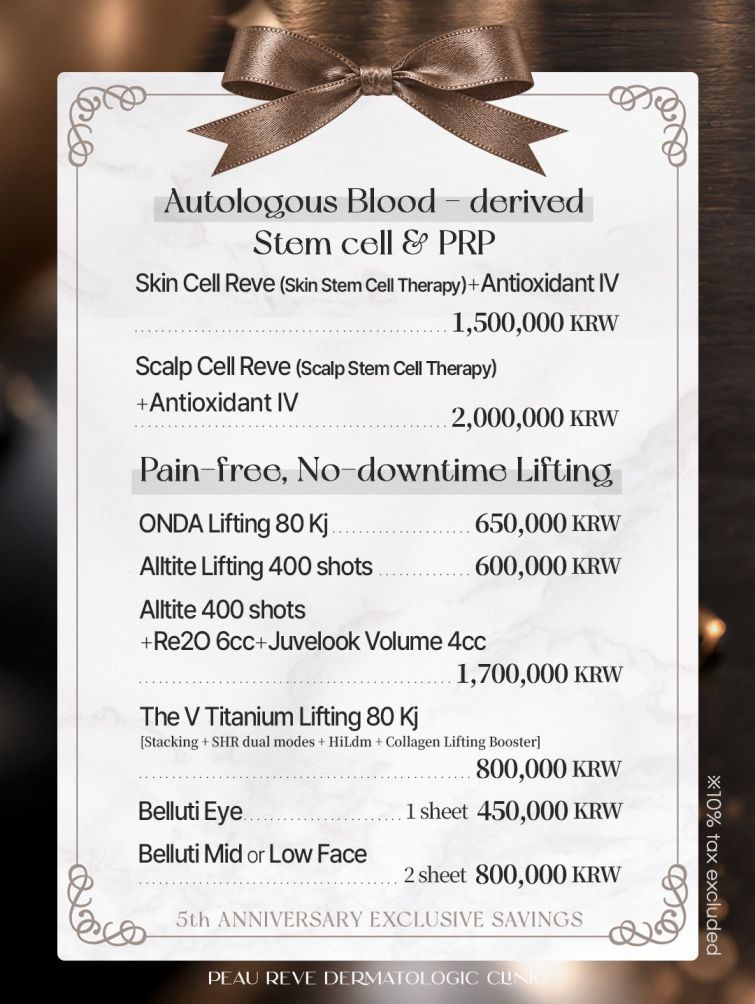
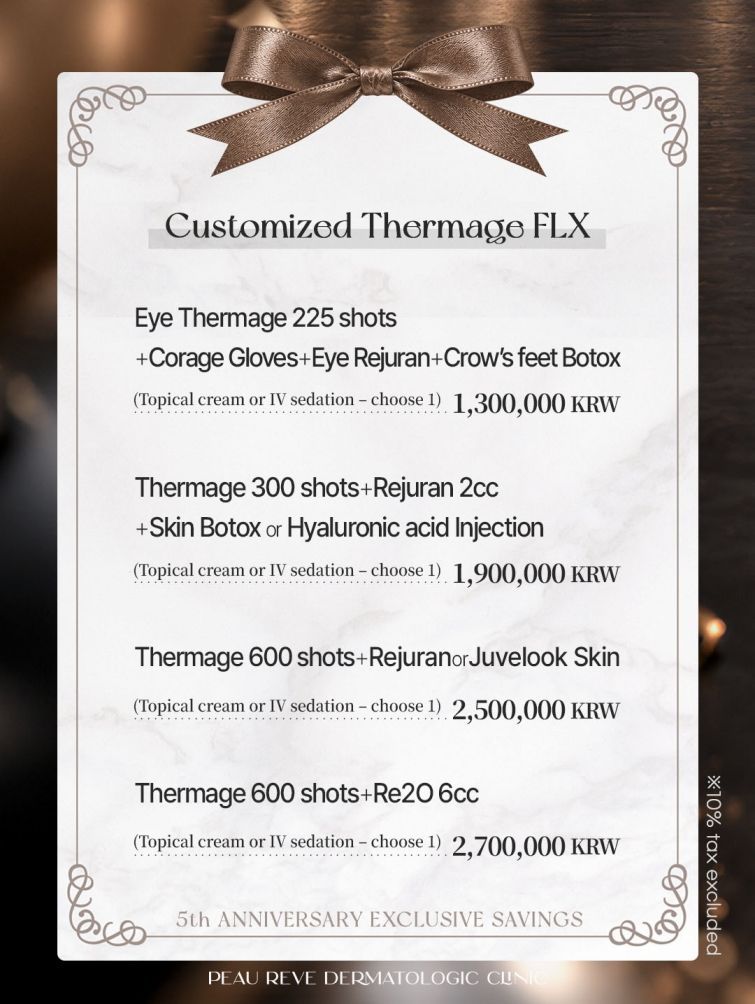
Sometimes a sunken look is partly sagging. In that case, a doctor may suggest tightening first with Ultherapy or Thermage, then adding a smaller amount of volume. This avoids using filler to do a job that lifting does better.
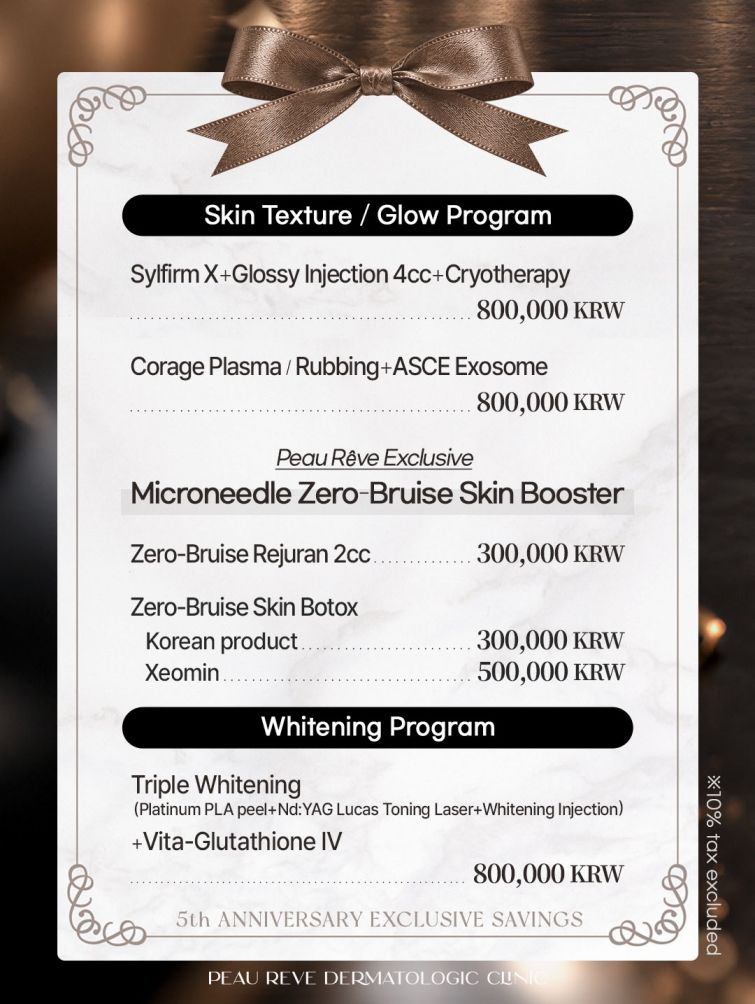
Where skin is also thin, a skin booster or Rejuran course can improve how the area looks over the new volume.
Cost in Seoul
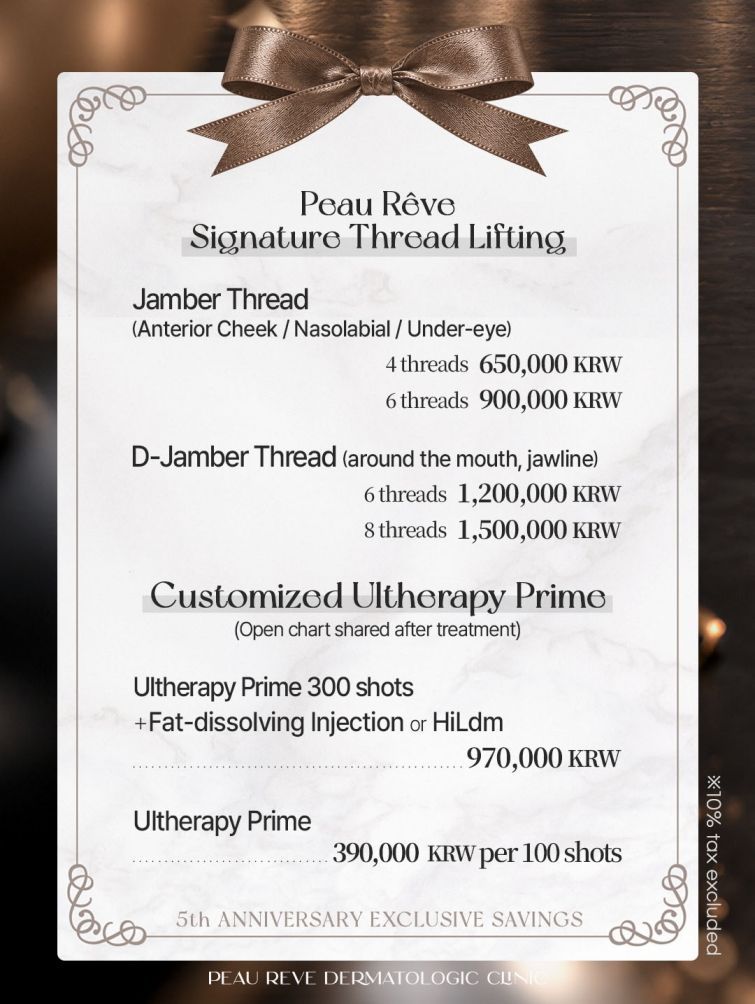
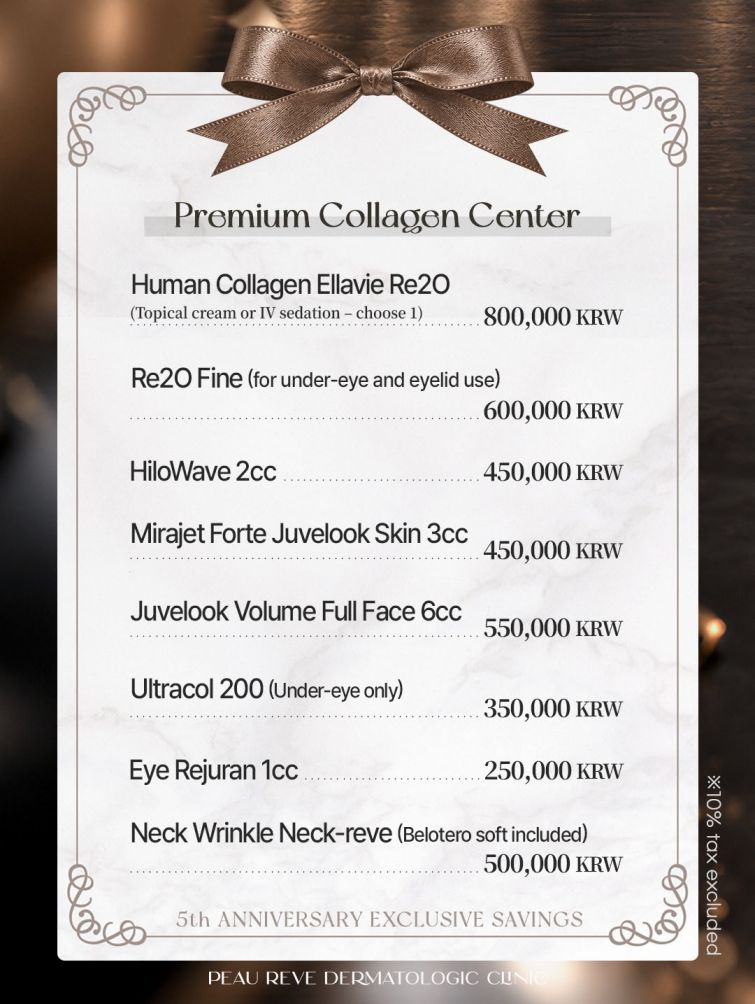
For Juvelook, published prices at Cheongdam clinics start around ₩130,000 per session, excl. 10% VAT, as of late 2026. Skin boosters start around ₩250,000.
HA filler and Sculptra are usually priced per syringe or vial, so the total depends on how many are needed for both temples or both cheeks, the brand of product and the number of sessions. Ask for an itemised quote and check current prices at your consultation in Seoul.
How to choose a clinic in Korea for volume restoration
- Doctor-performed injections. Volume work in the temples should be done by an experienced doctor, not delegated.
- Genuine products shown before use. Ask to see the sealed syringe or vial and its label.
- A conservative plan. A good doctor will often suggest less product than you expect and a review visit.
- Clear pricing. Per-syringe or per-session costs, VAT status and the same price for foreigners.
- Aftercare and complication support. Ask what happens if you have a concern after flying home.
Frequently asked questions
Is temple filler safe in Korea?
It is a common treatment in Korea when done by an experienced doctor using careful technique. As with any filler, there are risks, so ask how the clinic prevents and manages complications.
Sculptra or filler for sunken cheeks: which is better?
Filler gives an instant, reversible result, while Sculptra builds collagen gradually and lasts longer. Many people start with filler and add Sculptra for maintenance, or combine them.
How long does temple filler last?
HA filler in the temples often lasts around 6–18 months, depending on the product and your metabolism. Results vary.
Can I get volume restoration done on a one-week trip to Seoul?
HA filler can be done in one visit with a check-up a few days later. Collagen stimulators need several sessions weeks apart, so you would start the course and continue on later trips.
This article is general information and not medical advice. Results vary between individuals. Speak to a qualified doctor about whether a treatment is right for you.