Best Skin Treatments in Korea for 50s | Anti-Aging Options in Seoul

Why Your 50s Are Special (And Treatment Considerations)
Entering your 50s often brings changes like:
- Decreased collagen and elastin
- Thinner dermis and reduced skin resilience
- More pronounced sagging, volume loss, shadowing
- Pigment spots, broken vessels, dull tone
- Lower tolerance for aggressive downtime
So treatments should be precise, conservative, layered, and regenerative—with good safety margins and physician oversight.
Treatment Goals in Your 50s
- Restore lost structure / volume
- Tighten sagging skin
- Smooth deep folds and wrinkles
- Brighten pigmentation and tone
- Improve texture and glow
- Support skin health and barrier
Top Recommended Treatments in Korea for 50s Skin
1. Biostimulators & Collagen Stimulators
Ideal first step: build your skin’s foundation from within.
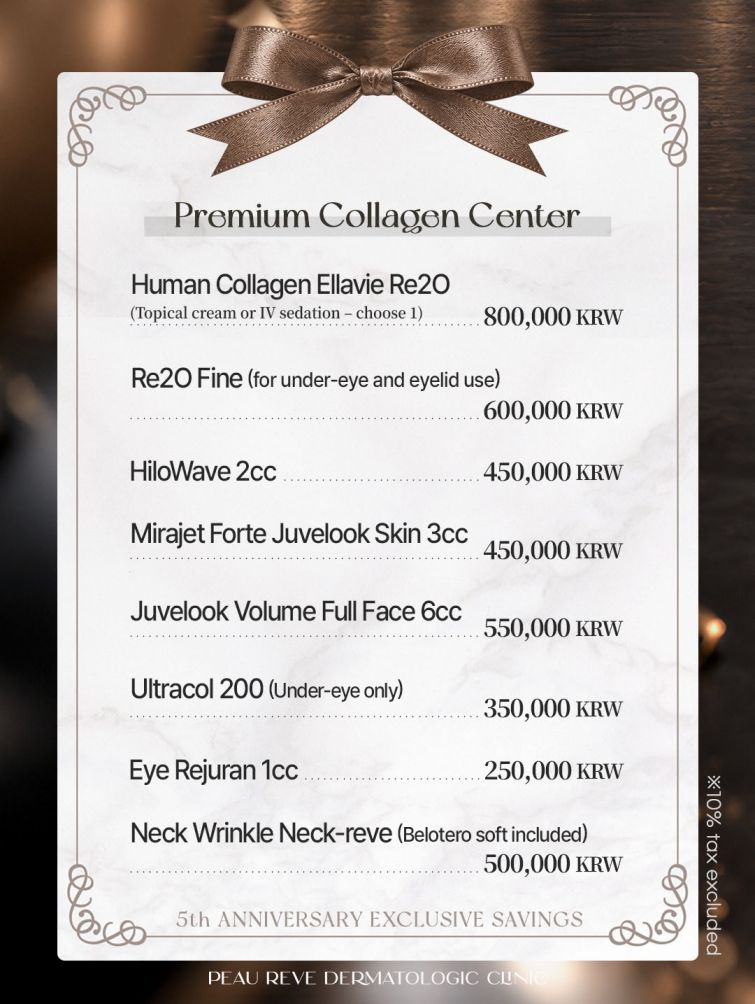
- Sculptra, PDLLA / PLA fillers (e.g. Juvelook Volume) help regenerate collagen over time.
- They strengthen underlying support rather than just filling shallow lines.
2. Dermal Fillers (Strategic Use)
Filler to restore volume and correct deeper shadows—not to overfill or stiffen.
- Cheek support, midface, temples
- Marionette lines, nasolabial folds
- Chin or jawline definition
- Under-eye hollows (if skin thickness allows)
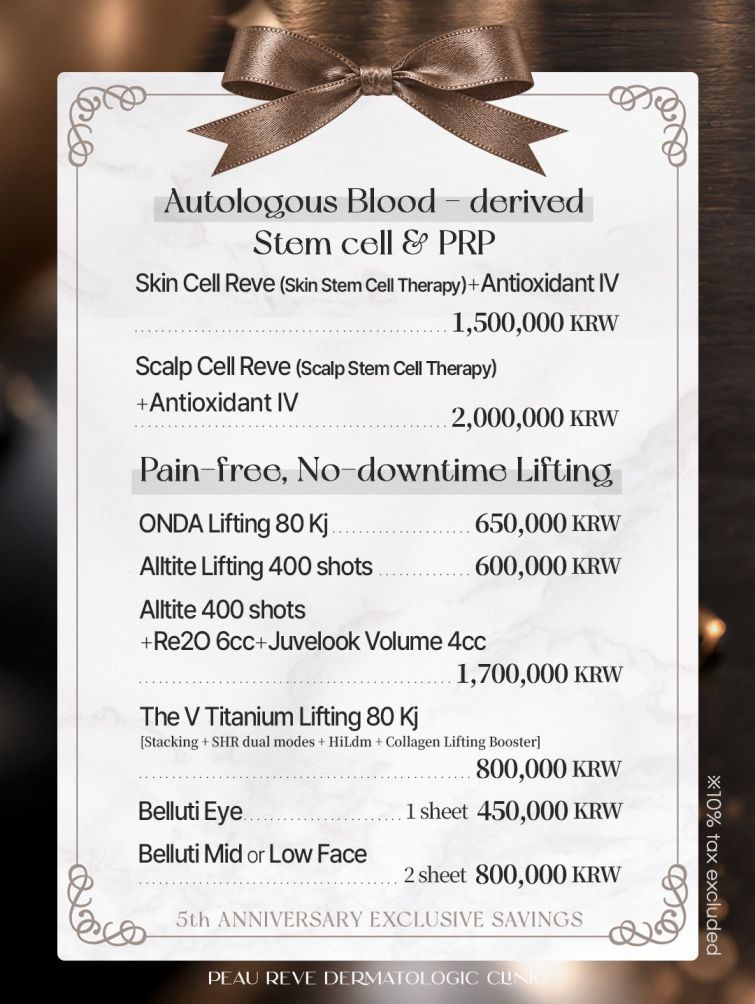
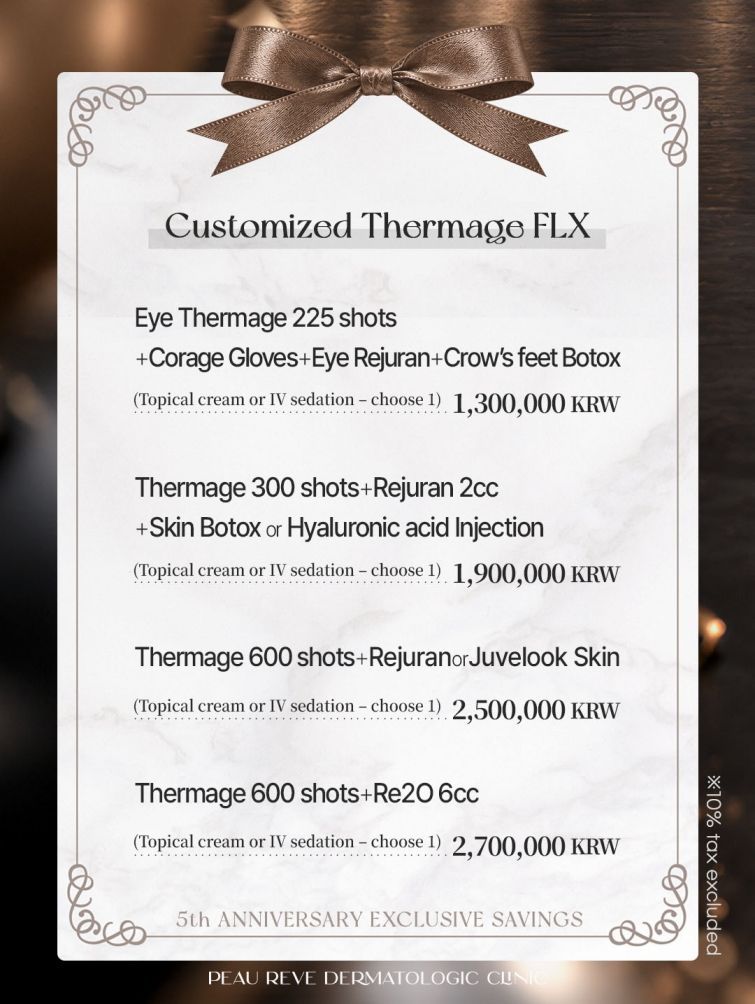
3. Skin Tightening / Lifting Devices
For sagging and laxity, energy-based devices help delay surgical options.
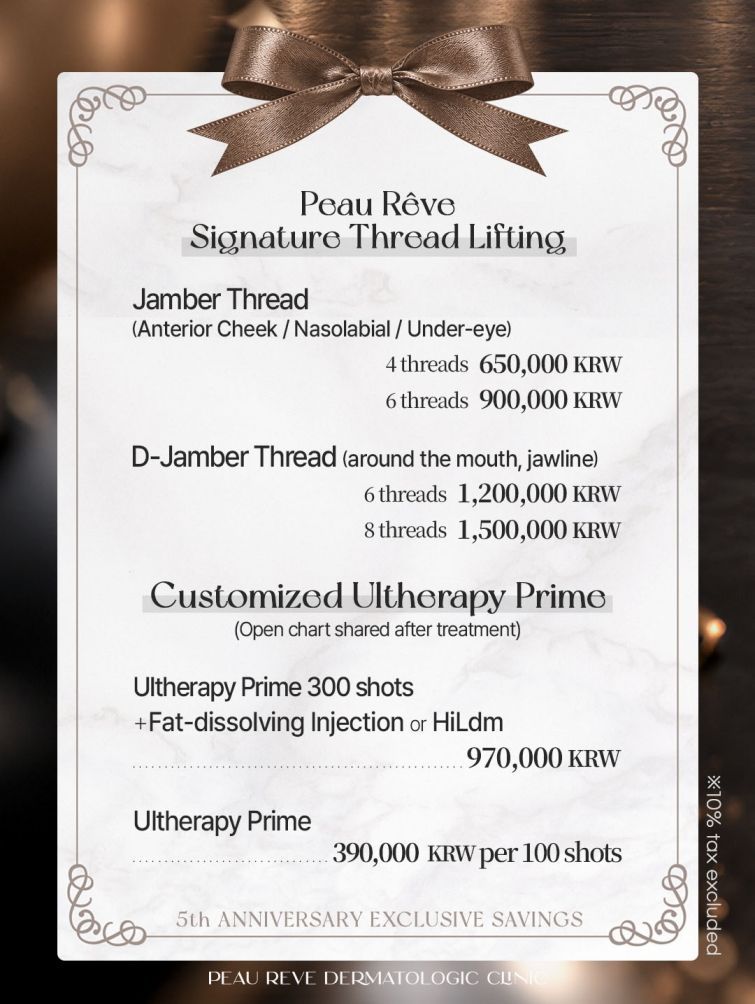
- Ultherapy / HIFU for structural lift
- Thermage FLX or advanced RF for dermal tightening and smoothing
- RF microneedling to combine tightening + texture renovation
4. Fractional / Ablative Lasers
Used more cautiously but powerful in experienced hands.
- Fractional CO₂ or Er:YAG (light-to-moderate settings)
- Non-ablative fractionals (e.g. Er:Glass)
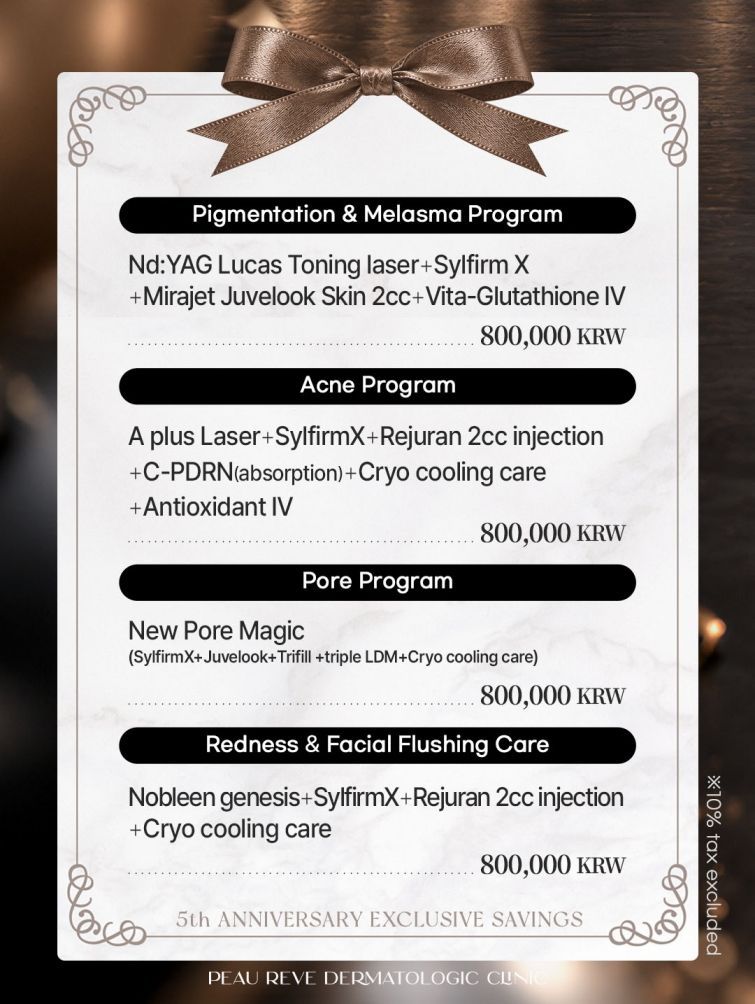
- Pico / fractional pico for tone, texture, pigment
5. Pigment & Vascular Treatments
Many 50s skins deal with age spots, sun damage, broken capillaries.
- Q-switched / pico lasers
- Thulium / 1927 nm
- PDL / vascular lasers
- Brightening peels or maintenance toning
6. Thread Lifts & Absorbable Threads
For lift without full surgery—PDO, PLLA, or composite threads help subtly reposition sagging areas. Good as supplementary to fillers/devices.
7. Regenerative Therapies
- PRP (platelet-rich plasma), stem-cell adjuncts, exosomes / growth factors combined with microneedling or lasers
- Helps boost healing, reduce downtime, and improve glow
8. Maintenance & Glow Protocols
- Laser toning (Q-switched 1064 nm, pico toning) to maintain even tone
- Skin boosters (HA / polynucleotide microinjections) to improve hydration, texture, barrier
- LED therapy, microcurrent, gentle peels in lighter cycles
Sample Protocol for a 50s Skin Plan in Korea
- Consult & skin analysis with imaging and mapping
- Foundation phase (months 1–3): Biostimulator + strategic filler + mild lasers or RF
- Refinement phase: Fractional / pico + booster injections
- Lift phase: Ultherapy or thread lifts if sagging persists
- Maintenance: Quarterly toning + boosters + spot care for pigment
Korea’s clinics emphasize spacing treatments so skin recovers and collagen builds before adding more energy.
Safety & Recovery Tips for 50s Skin
- Always start conservative — mature skin heals slower
- Avoid overly aggressive settings—favor multiple milder sessions
- Use strong sun protection (SPF 50+, physical barrier)
- Prioritize skin barrier repair, hydration, gentle actives
- Beware of overlapping high-heat treatments—leave buffer time
- Regular monitoring and slower ramping up of intensity