Exosome Skin Treatment in Korea: Benefits, Evidence and Safety
This is a subtitle for your new post


Exosome skin treatments apply concentrated cell-derived signalling particles to the skin, usually straight after microneedling or laser, to support recovery and improve texture, redness and overall skin quality. Early results and clinical experience are encouraging, but high-quality research is still limited and products vary widely. In Korea, many clinics in Seoul offer exosomes as an add-on that may shorten recovery and boost the effect of other treatments.
| What it is | Topical application of exosome-containing products |
|---|---|
| How it is used | After microneedling or laser to help penetration |
| Downtime | 0–2 days of redness, mostly from the paired treatment |
| Session spacing | Usually 4–8 weeks apart |
| Evidence | Promising but still early |
| Main goals | Recovery support, texture, tone and skin quality |
What exosomes are
Exosomes are tiny vesicles released by cells. They carry proteins, lipids and genetic signalling molecules that help cells communicate. In skincare, exosomes are typically derived from cultured cells, such as stem cells, or from plant sources.
The theory is that these signals may encourage skin cells to repair, calm inflammation and support collagen production. This is an active area of research, and much of what is known comes from laboratory and early clinical studies.
Why the source matters
Exosome products differ in their source, concentration and purification. Regulation also differs between countries; some regions have issued warnings about unapproved injectable exosome products. In clinical skincare, exosomes are generally applied to the skin rather than injected, and the product should come from a reputable, regulated supplier.
How clinics in Seoul use exosomes
Exosomes are rarely a stand-alone treatment. Instead, they are usually combined with a procedure that creates tiny channels in the skin:
- After microneedling. Micro-channels may help the product penetrate, while the needling itself stimulates collagen.
- After fractional laser. Exosomes are applied to support recovery and may reduce redness and flaking.
- After resurfacing or peels. Some doctors use them to calm sensitised skin.
This means results reflect the combination, not exosomes alone. It is reasonable to ask what the exosome step adds and whether you would benefit without it.
Possible benefits
- Faster-feeling recovery. Many patients report less redness or a shorter recovery after laser or needling.
- Better texture and glow. Skin often looks smoother and more even over a series.
- Calmer skin. Some doctors use exosomes for sensitivity or redness-prone skin.
- Support for scar and pore treatments. As part of a series, they may enhance the effect of the main treatment.
These benefits are based on early studies and clinical experience. Results vary, and claims of dramatic regeneration or hair regrowth should be viewed with caution.
What the evidence says
Research on exosomes in skin is growing, with small studies suggesting benefits for healing and skin quality when combined with procedures. However, large, independent, long-term trials are still limited, and products used in studies are not always the same as those sold in clinics.
A sensible way to view exosomes is as a promising supportive option, not a proven cure. A good doctor will explain this clearly and will not position exosomes as a replacement for well-established treatments.
What a session looks like
- Consultation. The doctor chooses the paired procedure based on your goals.
- Cleansing and numbing. Numbing cream is used for microneedling or laser.
- Main procedure. Microneedling or laser is performed first.
- Exosome application. The product is applied and gently worked into the skin.
- Calming care. A soothing mask or cooling may follow.
Sessions are usually spaced 4–8 weeks apart. A series of a few sessions is common, depending on the paired treatment.
Safety and side effects
Redness and mild swelling for 0–2 days are typical, mostly from the microneedling or laser. Some people notice mild dryness or tightness. Allergic or irritant reactions are possible with any product.
Avoid having exosome products injected outside a regulated medical setting, and ask what the product is, where it comes from and how it is stored. Tell your doctor about active skin infections, cold sores, pregnancy or immune conditions.
What affects the cost in Korea
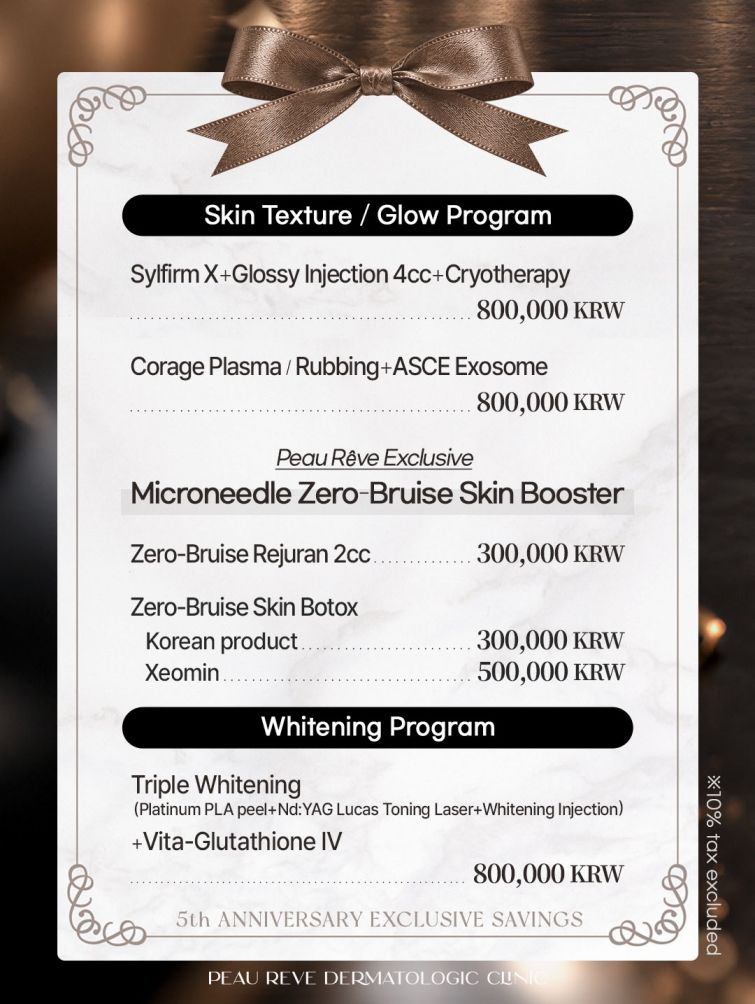
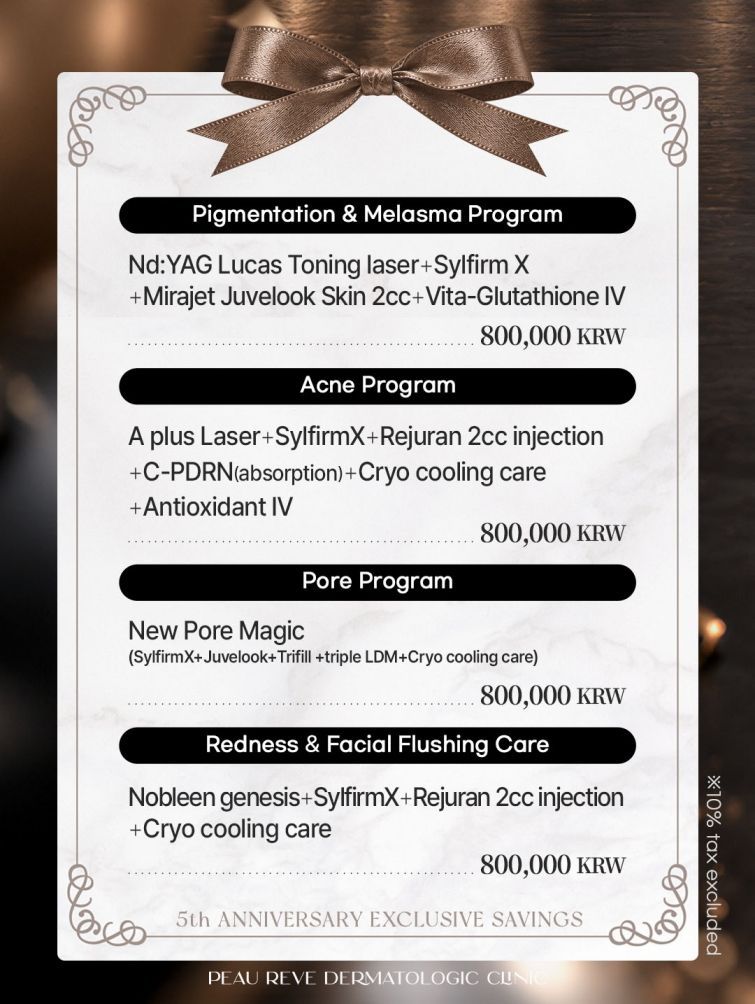
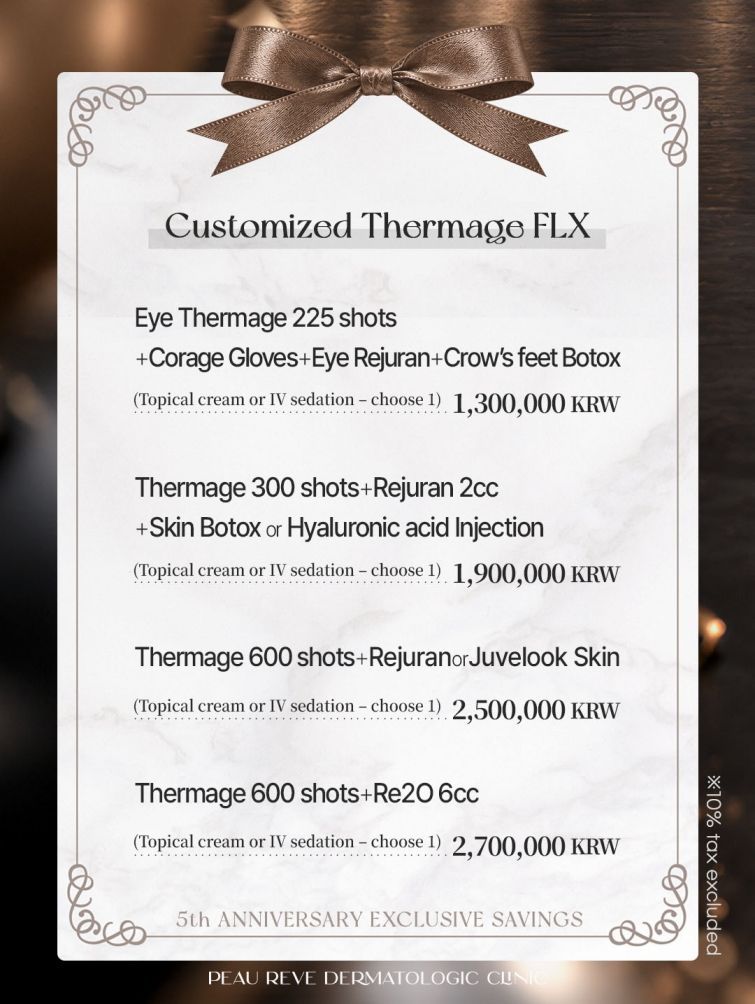
Exosome pricing varies a lot, so compare full treatment costs rather than the add-on alone:
- The paired treatment, such as microneedling or fractional laser.
- Product brand and amount.
- Area treated, such as face, neck or scalp.
- Number of sessions in the plan.
Ask whether VAT is included and whether foreign patients pay the same published price.
How to choose a clinic in Korea
- Doctor-led planning: the doctor should explain why exosomes suit your skin.
- Product transparency: ask to see the sealed product and learn its source.
- Honest expectations: be wary of claims that sound too good to be true.
- Published pricing: including VAT information and the same rate for foreigners.
- English support and aftercare follow-up.
Frequently asked questions
Are exosome facials worth it?
They may help recovery and skin quality when combined with microneedling or laser, but evidence is still early and results vary.
How long is the downtime after exosome treatment?
Typically 0–2 days of redness, mostly from the paired procedure.
Are exosome treatments legal in Korea?
Exosome skincare products are widely used at clinics in Seoul. Ask your doctor about the specific product and its regulatory status.
How often should I have exosome treatment?
Sessions are usually spaced 4–8 weeks apart, depending on the paired treatment and your skin.
This article is general information and not medical advice. Results vary between individuals. Speak to a qualified doctor about whether a treatment is right for you.