Korean Skin Boosters for Dry, Dehydrated Skin in Winter
This is a subtitle for your new post


Skin boosters can help dry, dehydrated winter skin by placing hydrating or repairing ingredients directly into the skin, where creams cannot easily reach. In Korea they are usually given as a short series, and winter is a popular season for them. They work best alongside a simple barrier-friendly routine, not as a replacement for it.
| Best for | Tight, flaky, dull or fine-lined skin that worsens in cold, dry air |
|---|---|
| Common options | Hydrating HA-based boosters, Rejuran Healer, Juvelook, collagen boosters |
| Typical series | Around 3 sessions, often about 4 weeks apart |
| Downtime | Small bumps or mild redness for 1–3 days |
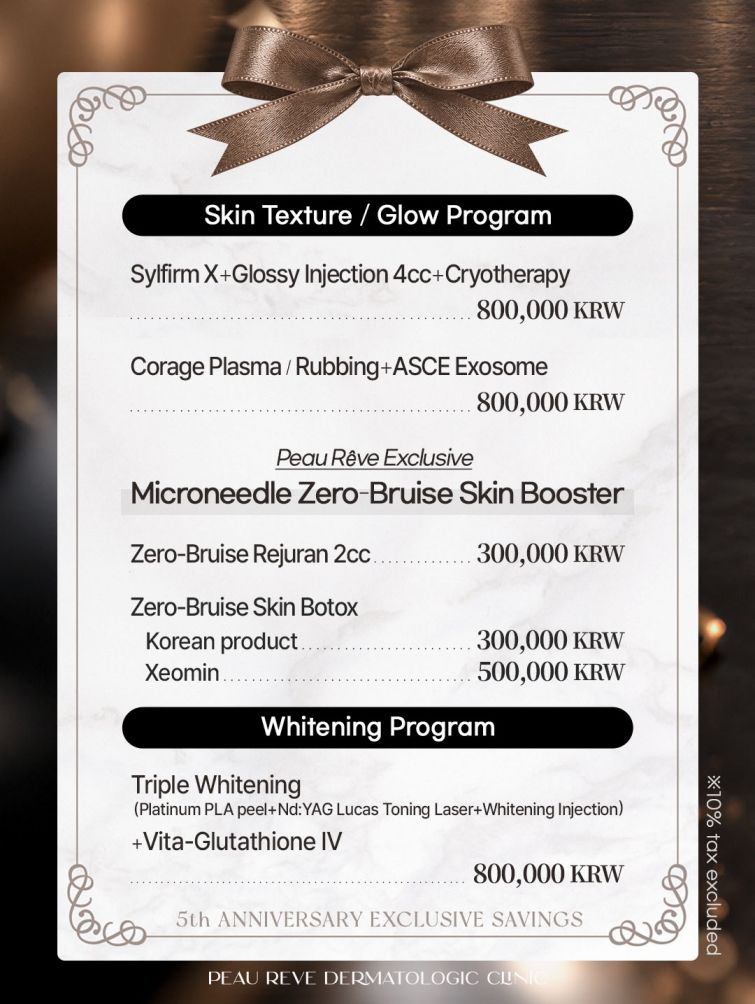
| Starting price (Cheongdam) | Published prices from around ₩250,000 for skin boosters (excl. 10% VAT, as of late 2026) |
Dry vs dehydrated skin: why the difference matters
Dry skin is a skin type that produces less oil, so the barrier is weaker and loses water easily. Dehydrated skin is a temporary state where the skin lacks water, and it can happen to oily skin too. Winter often brings both: cold outdoor air, low humidity and heated indoor rooms all pull water from the skin.
Boosters mainly help with the water and quality side. Barrier care, gentle cleansing and moisturiser handle the oil and protection side. Most people need both.
How skin boosters help winter skin
- Direct hydration. Hyaluronic-acid-based boosters hold water within the skin, which can make it feel plumper and less tight.
- Repair support. Polynucleotide boosters such as Rejuran Healer are used to support skin repair and texture.
- Fine line softening. Better hydration can make dryness lines less visible, especially around the cheeks and eyes.
- Glow. Many people notice skin reflects light more evenly, which reads as a healthier look.
Results are gradual and vary. Boosters do not change your oil production or fix a damaged barrier on their own.
Which booster suits which winter concern?
Tight, flaky, dull skin
A hydrating HA-based booster is often the first choice when the main complaint is tightness and dullness.
Rough texture and sensitivity
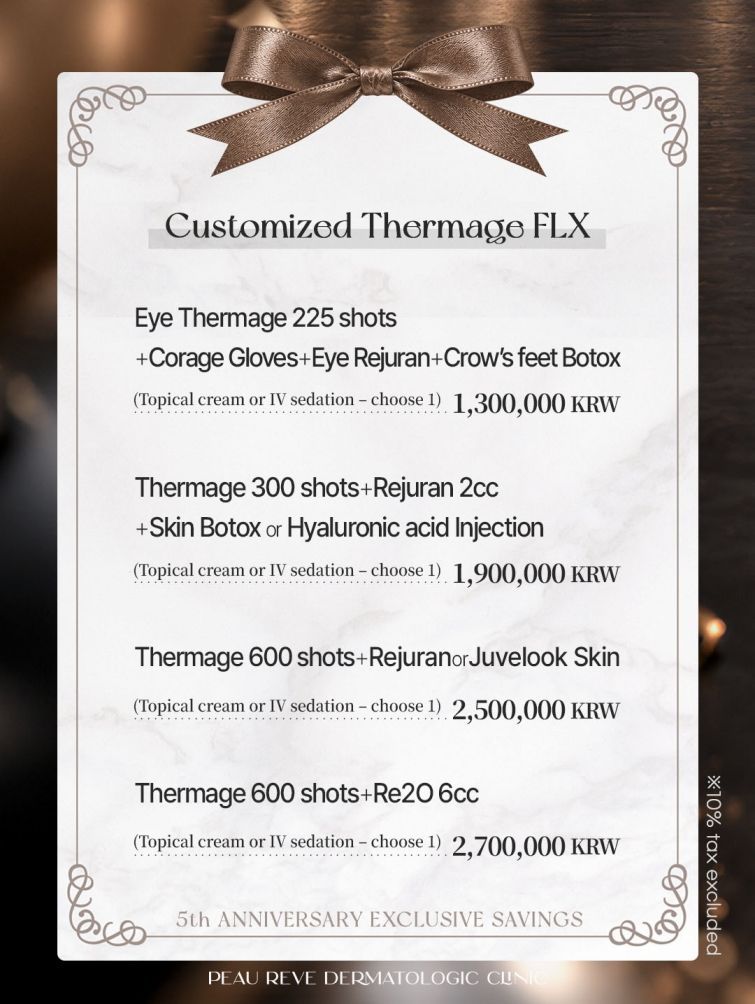
Rejuran Healer, made from polynucleotides (PN) derived from salmon DNA, is commonly chosen when skin feels reactive or rough. A typical plan is 3 sessions about 4 weeks apart. Published prices at Cheongdam clinics start around ₩250,000 for Rejuran Healer, excl. 10% VAT, as of late 2026.
Dryness with thinning or mild volume loss
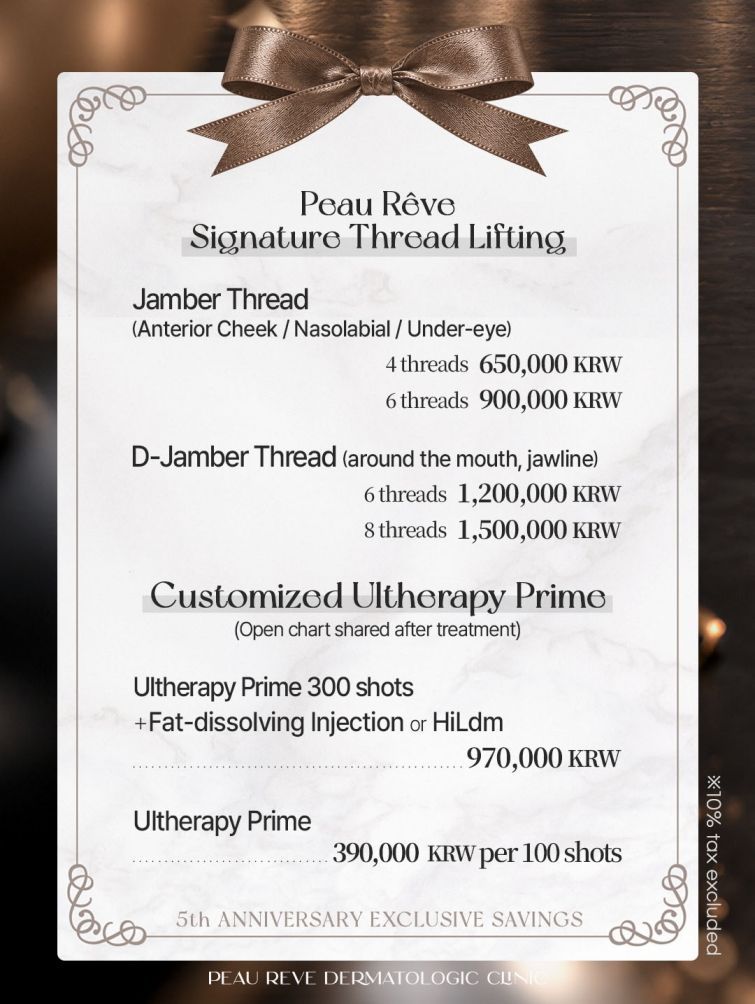
Juvelook combines PDLLA and HA and is used for gradual skin quality and subtle volume. It comes in Skin and Volume types and is usually given as 3–5 sessions. Published prices at Cheongdam clinics start around ₩130,000, excl. 10% VAT, as of late 2026.
Crepey under-eyes
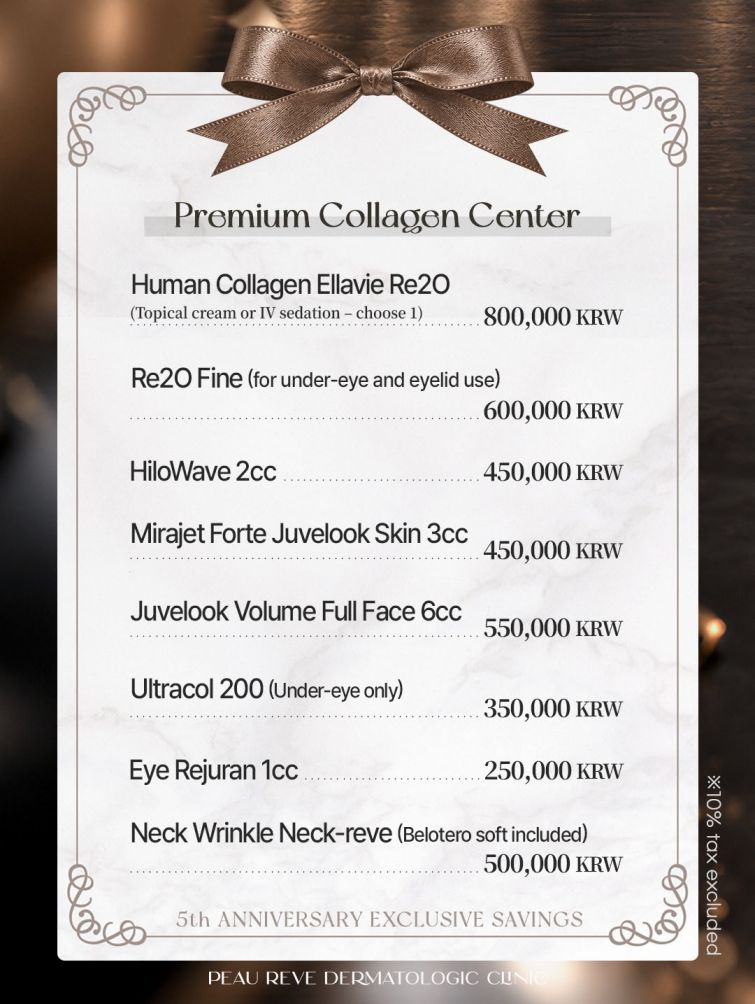
The under-eye area often looks worse in winter. Collagen boosters such as Elravie Re2O Fine or Ultracol, or Eye Rejuran, are designed for this thin skin.
Always check current prices, as clinics update them regularly.
Why winter is a good time in Korea
Seoul winters are cold and dry, so many local patients book boosters between November and February. There are also practical reasons:
- Less sun. Lower UV exposure makes it easier to protect slightly irritated skin after treatment.
- Easier to plan a series. Spacing 3 sessions about a month apart fits neatly into the season.
- Combination friendly. Winter is also a common time for lasers, so boosters are often planned alongside them.
Sunscreen is still needed in winter, especially on snowy days or at altitude.
Cold-weather aftercare after a booster
- Protect from wind. Cold wind can sting freshly treated skin. A scarf or mask helps for the first day.
- Avoid very hot water. It is tempting in winter, but hot showers and baths can increase redness. Use lukewarm water.
- Skip the jjimjilbang. Wait about 2–3 days before saunas or heated floors you lie on for long periods.
- Use a humidifier. Heated hotel rooms are very dry; a humidifier or a bowl of water can help.
- Keep products bland. Ceramide or simple moisturisers, no strong acids or retinoids for a few days.
A winter routine that supports booster results
- Gentle cleanser. Low-foam or cream cleansers, used once or twice a day.
- Hydrating layer. A light toner or serum with humectants such as hyaluronic acid or glycerin.
- Barrier moisturiser. Ceramides, cholesterol and fatty acids help reduce water loss.
- Sunscreen. Every morning, even on cloudy days.
- Fewer actives. Use exfoliants less often in winter if skin feels tight or stings.
How to choose a clinic in Korea for skin boosters
- Doctor-led injections. Ask who will inject and how they choose the product for your skin.
- Genuine products. Ask to see the sealed product before it is opened.
- Transparent pricing. Look for published prices with clear VAT terms and the same price for foreigners.
- English support. Written aftercare and a way to message after you leave Seoul are useful for a series.
- Honest advice. A good doctor may tell you that a better skincare routine is enough for mild dryness.
Frequently asked questions
Which Korean skin booster is best for dehydrated skin?
Hydrating HA-based boosters are commonly used for dehydration, while Rejuran suits rough or reactive skin. A doctor can match the product to your skin.
How many booster sessions do I need in winter?
Most plans involve around 3 sessions about 4 weeks apart, followed by occasional maintenance.
Can I get a skin booster in Seoul before flying home?
Yes, downtime is usually short. Keep hydrated on the flight and avoid rubbing your face.
Do skin boosters replace moisturiser?
No. Boosters work inside the skin, while moisturiser protects the surface barrier. Both help dry winter skin.
This article is general information and not medical advice. Results vary between individuals. Speak to a qualified doctor about whether a treatment is right for you.