Laser Hair Removal in Korea: Sessions, Areas and Planning Around Your Trips
This is a subtitle for your new post


Laser hair removal in Korea usually takes about 5–8 sessions spaced 4–6 weeks apart for a lasting reduction in hair. That schedule is the main planning challenge for visitors, since a full course runs over several months. With smart timing, you can start in Seoul and continue across repeat trips or with a clinic at home.
| Typical course | About 5–8 sessions |
|---|---|
| Interval | About 4–6 weeks between sessions |
| Session time | Minutes for small areas; longer for legs or back |
| Downtime | Little; mild redness and bumps for hours to a day |
| Result | Long-term reduction, not always permanent removal |
| Best response | Dark, coarse hair |
Why laser hair removal needs several sessions
Laser energy is absorbed by the pigment in hair and travels down to the follicle, where heat damages its ability to regrow. It works best on hairs in the active growth phase. At any one time, only part of your hair is in that phase.
That is why sessions are spaced weeks apart. Each visit catches a new group of follicles as they enter the growth phase. After a full course, most people see a large, long-lasting reduction, with occasional touch-ups. Results vary.
Popular areas and what to expect
- Underarms. Quick sessions and usually good response because hair is often dark and coarse.
- Face and upper lip. Often needs more sessions, especially if hair growth is linked to hormones.
- Bikini line. Good response; can be more sensitive.
- Legs and arms. Larger areas, longer sessions, more planning.
- Men's beard shaping and back. Common requests; beards may need more sessions due to dense growth.
Fine, light, grey or red hair responds poorly to most lasers because there is little pigment to absorb the energy.
Planning your sessions around trips to Korea
Because sessions are 4–6 weeks apart, a single holiday only fits one session. Here are common approaches visitors use:
Repeat-visit plan
If you visit Seoul every one to two months for work or family, book each session to match your trips. Ask the clinic to record your settings so treatment stays consistent.
Start in Korea, continue at home
Have the first session in Seoul with a doctor's assessment, then continue with a qualified provider at home. Ask for a note of device type and settings.
Longer stay plan
Students, expats and long-stay visitors can often complete most of a course in Korea over several months.
Avoid gaps that are too long
Intervals much longer than planned do not ruin results, but they may slow progress. Intervals that are too short add cost without benefit.
Preparing for each session
- Shave beforehand. Most clinics ask you to shave the area a day before. Do not wax, pluck or use epilators for several weeks, as the root needs to be present.
- Avoid tanning. A tan increases the risk of burns and pigment changes.
- Skip self-tanner and strong actives on the area for several days.
- Tell the doctor about medicines, especially light-sensitising ones, and any history of cold sores for facial areas.
Side effects and aftercare
Mild redness and small raised bumps around follicles are normal and usually settle within hours to a day. Less common effects include temporary darkening or lightening of the skin, blistering or, rarely, scarring, which are more likely with incorrect settings or tanned skin.
- Use a soothing moisturiser and cool compress if needed.
- Avoid saunas, hot baths and heavy sweating for about a day.
- Protect treated skin from sun with sunscreen or clothing.
- Expect some treated hairs to shed over 1–3 weeks; this is normal.
Skin tone and device choice
Different lasers suit different skin tones. Darker skin generally needs devices and settings that are safer for higher pigment levels. A doctor should assess your skin and may do a test patch. This is particularly important for visitors with tanned or darker skin.
What drives the cost in Seoul
- Size and number of areas treated
- Number of sessions, with packages often priced lower per session
- Device type
- Whether numbing or soothing care is included
- Touch-up sessions after the main course
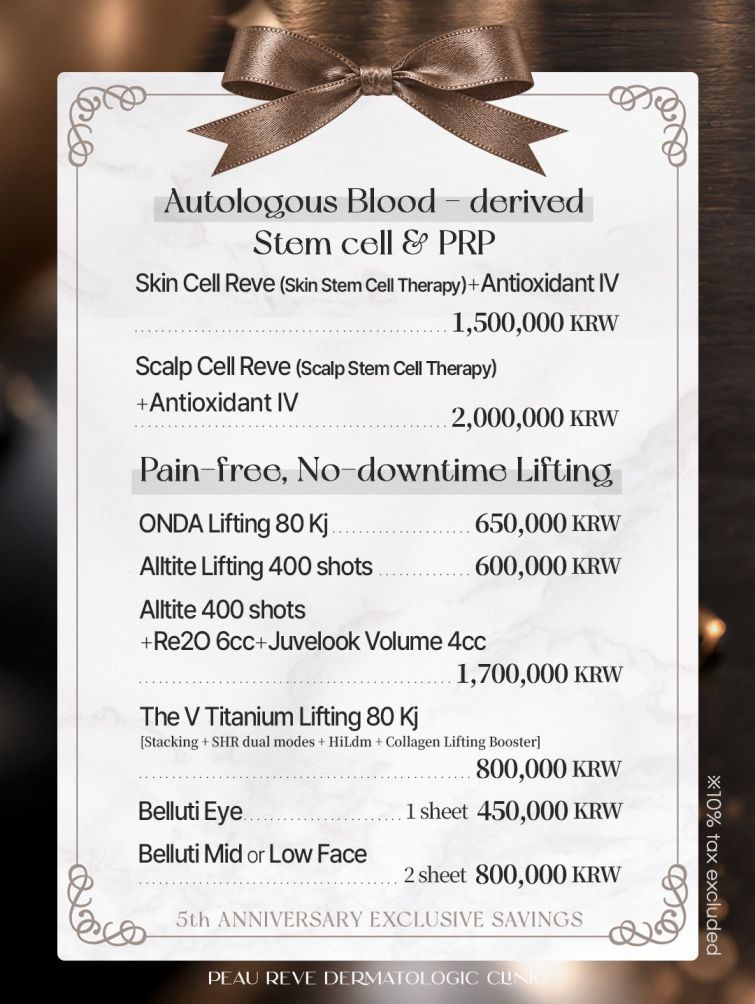
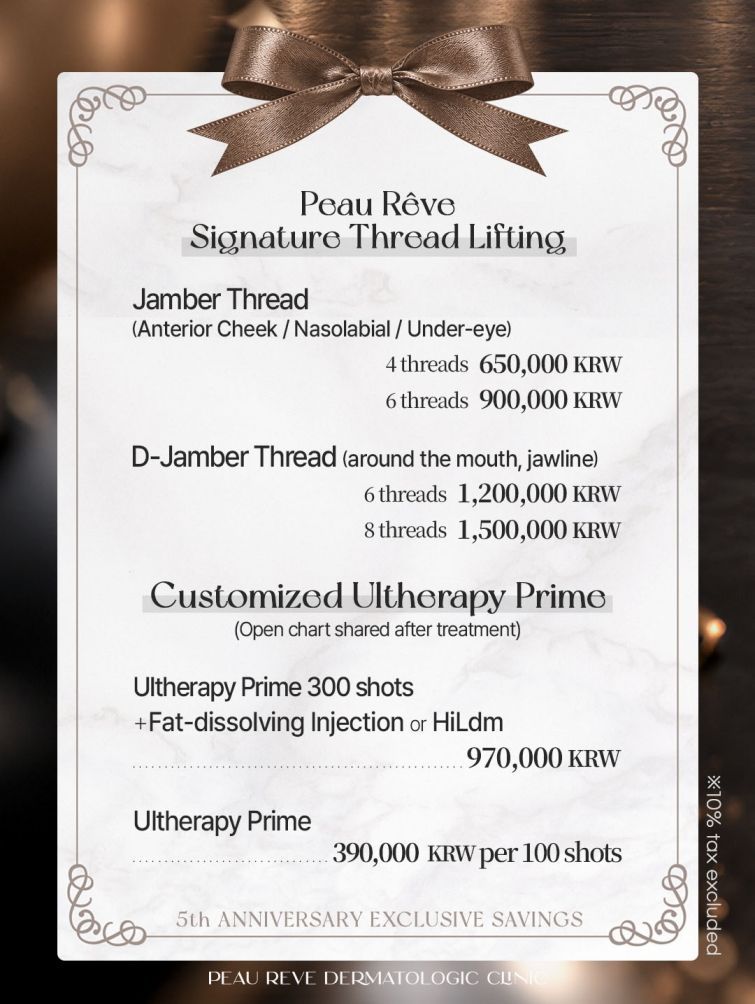
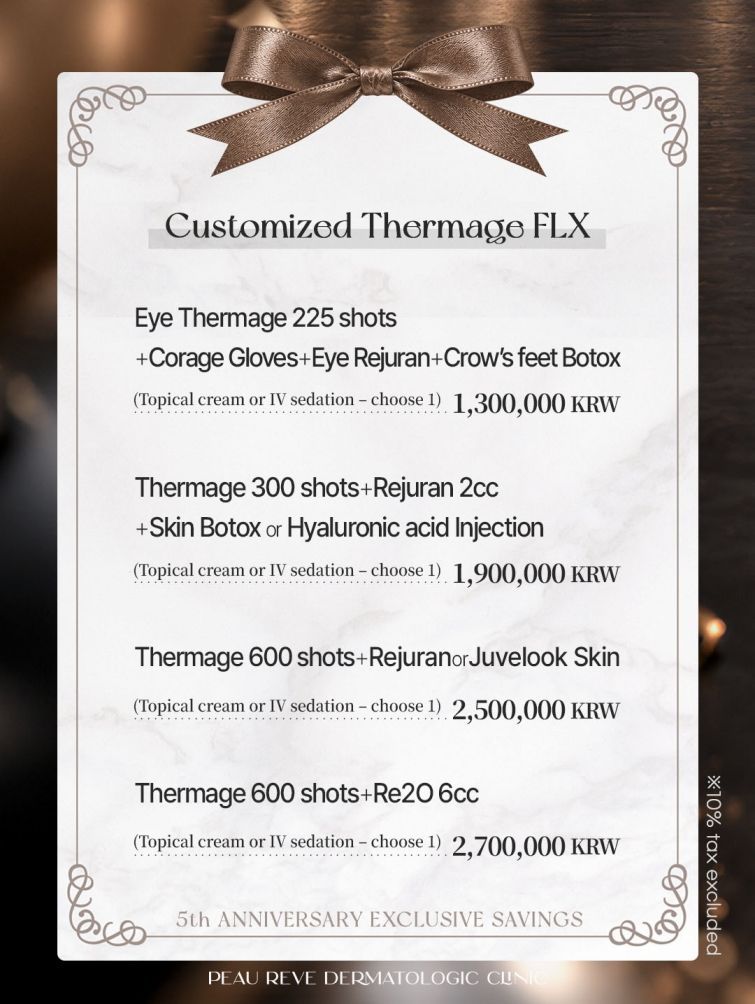
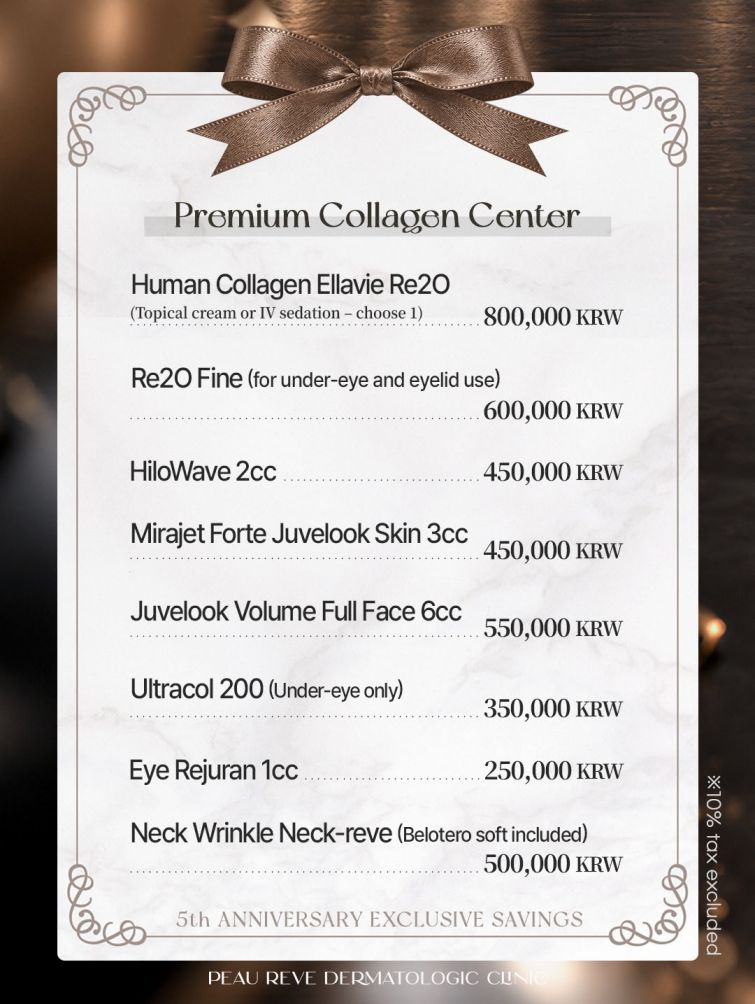
Ask for written package terms, including how long a package stays valid if you only visit Korea occasionally. Check whether 10% VAT is included and confirm foreigners pay the same published price.
How to choose a clinic in Korea
- Doctor assessment. A doctor should check skin type, hair type and medical history before the first session.
- Settings record. Useful if you will continue elsewhere.
- Flexible booking. Ask how easily sessions can be moved to match your travel dates.
- Clear package rules. Expiry dates and refund terms should be in writing.
- English support. Helps when booking around trips and for aftercare questions.
Frequently asked questions
How many laser hair removal sessions do I need in Korea?
Most people need about 5–8 sessions, 4–6 weeks apart, depending on area and hair type.
Is laser hair removal permanent?
It gives a long-term reduction. Some hairs may regrow over time, so occasional touch-ups are common.
Can I do laser hair removal on a one-week trip to Seoul?
You can have one session. A full course needs repeat visits or continuing at home.
Can I fly right after laser hair removal?
Usually yes. Keep the area moisturised and protected from the sun at your destination.
This article is general information and not medical advice. Results vary between individuals. Speak to a qualified doctor about whether a treatment is right for you.