Skin Booster Aftercare: Make-Up, Sauna, Alcohol and Exercise Rules
This is a subtitle for your new post

After a skin booster, most people can wear light make-up the next day, but should avoid saunas, alcohol and hard exercise for about 24–48 hours. These short rules limit swelling, bruising and infection risk while the small injection points close. Your doctor's instructions always come first, because product, technique and your skin all change the advice.
| Make-up | Usually from the next day; mineral or light products first |
|---|---|
| Sauna, hot bath, jjimjilbang | Avoid for about 2–3 days |
| Alcohol | Avoid for about 24–48 hours |
| Exercise | Light walking is fine; hard workouts after 24–48 hours |
| Strong actives | Pause retinoids, acids and scrubs for a few days |
| Typical side effects | Small bumps, mild redness, swelling or bruising that settle in days |
Why aftercare matters after a skin booster
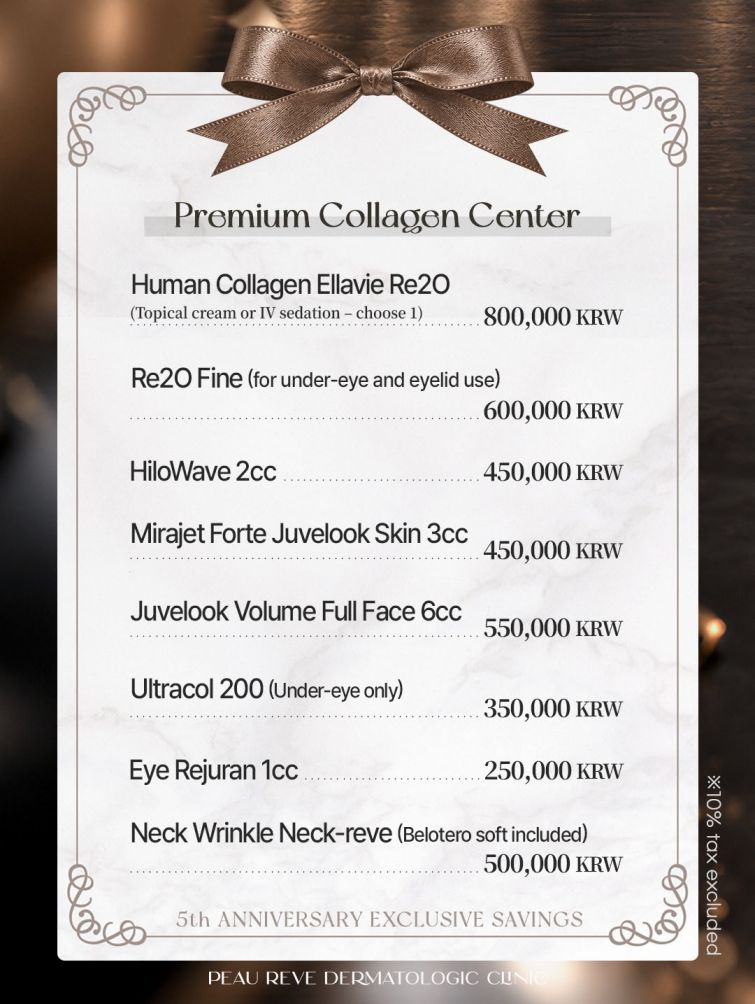
Skin boosters such as Rejuran Healer, Juvelook or Elravie Re2O are placed with many small injections or a microneedle device. Each point is a tiny wound that needs a short time to close. Heat, alcohol and raised blood pressure all increase blood flow to the face, which can make swelling and bruising more noticeable.
Good aftercare will not change how well the product works in the long term. What it does is make the first few days more comfortable and reduce avoidable problems such as infection or longer-lasting bumps.
The first 24 hours
- Hands off. Avoid touching, rubbing or massaging the treated area unless your doctor gives specific massage instructions.
- Gentle cleansing. Rinse with lukewarm water and a mild cleanser in the evening. Pat dry rather than rubbing.
- Cool, not cold. A wrapped cool pack for short periods can ease swelling. Do not put ice straight on the skin.
- Sleep position. Sleeping slightly propped up can help limit morning puffiness, especially after under-eye boosters.
Make-up after a skin booster
The main concern with make-up is putting product, brushes and sponges onto open injection points. Most clinics suggest waiting until the next day.
- Day 0. Skip make-up if you can. If you must, use a clean, light product only away from injection points.
- Day 1. Light foundation, concealer or tinted sunscreen are usually fine. Use clean brushes or fingers.
- Day 2–3. Normal make-up routine for most people. Use a gentle remover rather than heavy rubbing.
If you have visible bumps, concealer can cover them, but do not press or squeeze them. They usually flatten on their own within a few days.
Sauna, jjimjilbang and hot baths
Korea's jjimjilbang culture makes this rule easy to forget on a trip. Saunas, hot tubs, steam rooms and very hot showers raise skin temperature and blood flow, which can increase swelling and redness after injections.
A common guideline is to wait about 2–3 days before using a sauna or jjimjilbang. Warm, quick showers are fine. If you had a booster combined with an energy device such as Thermage or a laser, your doctor may ask you to wait longer.
Alcohol after a skin booster
Alcohol widens blood vessels and can make bruising and puffiness worse, especially around the eyes. Most clinics suggest avoiding alcohol for about 24–48 hours after treatment.
- Plan a booster for the end of a trip's nightlife, not the start.
- Drink water instead; staying hydrated helps you feel better, though it does not change the product's effect.
- Some doctors also ask you to avoid alcohol for a day before treatment to reduce bruising risk.
Exercise and sweating
Hard exercise raises blood pressure and makes you sweat, and sweat on fresh injection points can irritate the skin. Light walking, sightseeing and stretching are usually fine on the same day.
- First 24 hours. Avoid running, weights, hot yoga and anything that makes your face flush.
- 24–48 hours. Most people can return to moderate exercise.
- Swimming. Pools and the sea carry an infection risk; wait about 2–3 days or as your doctor advises.
Skincare, sun and other treatments
Keep skincare simple for a few days: gentle cleanser, a plain moisturiser and sunscreen. Pause retinoids, exfoliating acids, vitamin C serums with strong acids and scrubs for about 3–5 days, or until any redness has gone.
Sun protection matters because irritated skin can pigment more easily. Use broad-spectrum sunscreen daily and a hat outdoors. Avoid other facial treatments such as peels, facials with extractions or new injections for about a week unless they are part of the same planned session.
When to contact the clinic
Mild bumps, slight swelling and small bruises are normal. Contact the clinic, or a doctor at home, if you notice:
- Pain, swelling or redness that is getting worse after 2–3 days
- Warmth, pus or fever, which can suggest infection
- Skin colour changes such as blanching or a dusky patch
- Hard lumps that are not settling after a couple of weeks
Planning aftercare around a trip to Korea
Many visitors book boosters in Seoul around shopping and sightseeing. Gangnam and Cheongdam clinics often see patients fly home a day or two later. A few practical tips help:
- Book early in the trip if you are doing a series, so the doctor can check you before you leave.
- Ask for written aftercare in English and a way to message the clinic once you are home.
- Flying is usually fine after a booster; keep hydrated and avoid rubbing your face on the flight.
Frequently asked questions
Can I wear make-up the same day as a skin booster?
It is better to wait until the next day. If needed, use clean, light products and avoid pressing on injection points.
When can I go to a sauna after Rejuran?
Many doctors suggest waiting about 2–3 days. Follow your clinic's advice, especially if another treatment was done the same day.
Can I drink alcohol after skin boosters in Seoul?
It is best to avoid alcohol for about 24–48 hours, as it can increase swelling and bruising.
How soon can I work out after a skin booster?
Light walking is fine the same day. Most people return to harder exercise after 24–48 hours.
This article is general information and not medical advice. Results vary between individuals. Speak to a qualified doctor about whether a treatment is right for you.