What Are Skin Boosters? A Doctor's Guide to Korean Injectable Skincare
This is a subtitle for your new post


Skin boosters are injectable treatments that place hydrating, repairing or collagen-supporting ingredients into the skin to improve its quality, rather than changing facial shape like filler. They target texture, glow, fine lines and firmness, usually over a course of sessions. Korea has one of the widest ranges of skin boosters, and clinics in Seoul often match the booster type to the skin problem.
| Purpose | Improve skin quality, not volume or shape |
|---|---|
| Main types | Hyaluronic acid, polynucleotide, collagen, PDLLA-based |
| Typical course | Often 3 sessions, sometimes 3–5 |
| Downtime | Usually 1–3 days of small bumps or redness |
| Results | Gradual; maintenance often needed |
| Published starting price | From around ₩250,000 at Cheongdam clinics (excl. 10% VAT, as of late 2026) |
Skin boosters versus fillers
This is the most common point of confusion. A dermal filler is a gel placed to add volume or define a feature, such as lips, cheeks or the chin. A skin booster is spread thinly through the skin in many tiny amounts to improve how the skin itself looks and behaves.
A simple way to think about it: filler changes the shape under the skin, while boosters change the quality of the skin. Many people benefit from both, but they solve different problems.
The four main booster families
1. Hyaluronic acid boosters
Lightly cross-linked or non-cross-linked HA draws water into the skin. They are often chosen for dehydrated, dull skin and a dewy finish. Effects can appear relatively quickly.
2. Polynucleotide boosters
Products such as Rejuran Healer use polynucleotides from salmon DNA to support the skin's repair environment. They are often used for thin, sensitive or damaged skin, with a typical course of 3 sessions about 4 weeks apart. Eye Rejuran is a version for the under-eyes.
3. Collagen boosters
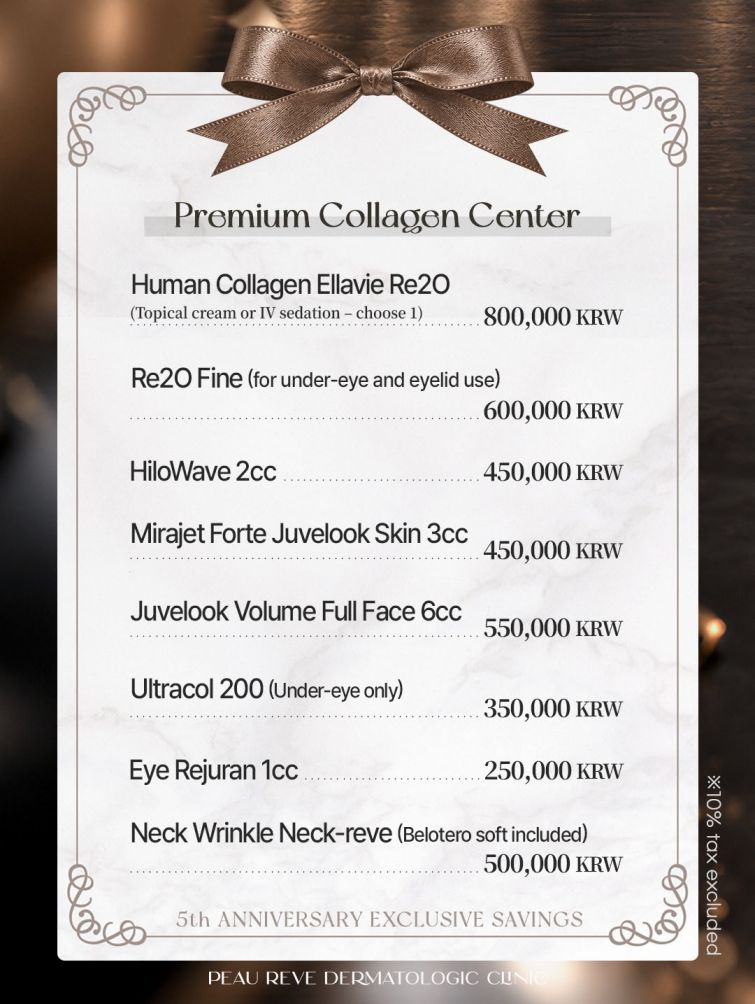
Elravie Re2O supplies human-derived collagen to support skin structure, usually over 3 sessions, with Re2O Fine for eyelids and under-eyes. Ultracol 200 is another collagen booster commonly used under the eyes.
4. Collagen-stimulating boosters
Juvelook combines PDLLA with HA. Rather than supplying collagen, it prompts your own skin to make more over time. Courses are usually 3–5 sessions, and it is often used for texture, pores and mild acne scars.
Matching a booster to your skin concern
- Dry, dull, dehydrated skin: HA boosters are often the first choice.
- Thin, sensitive or post-laser skin: polynucleotide boosters are commonly suggested.
- Loss of firmness and fine lines: collagen or collagen-stimulating boosters.
- Enlarged pores and uneven texture: PDLLA-based boosters, sometimes combined with skin Botox for oil and pores.
- Crepey under-eyes: eye-specific boosters such as Eye Rejuran, Re2O Fine or Ultracol.
- Mild acne scarring: collagen-stimulating boosters, often alongside laser or microneedling.
These are general patterns. A doctor should assess your skin, because thickness, sensitivity and previous treatments all affect the choice.
What skin boosters cannot do
- They do not lift sagging skin; lifting devices or threads do that.
- They do not replace lost facial volume the way filler or Sculptra can.
- They do not remove pigmentation; lasers and sun protection are needed.
- They do not give permanent results; maintenance is usually needed.
Why boosters are popular in Korea
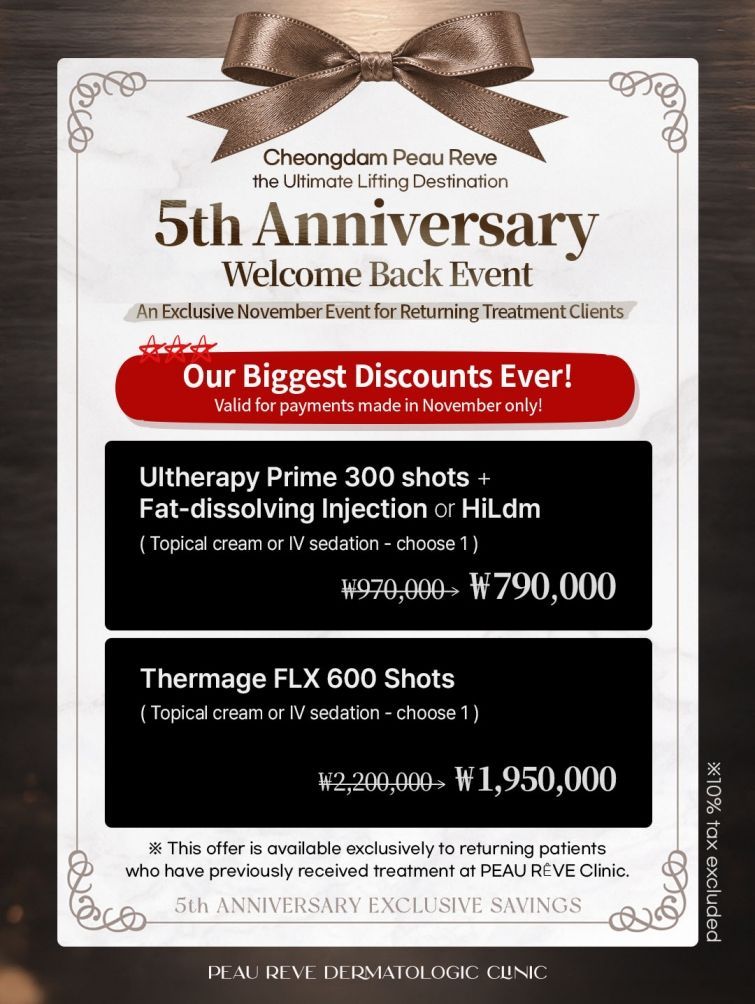
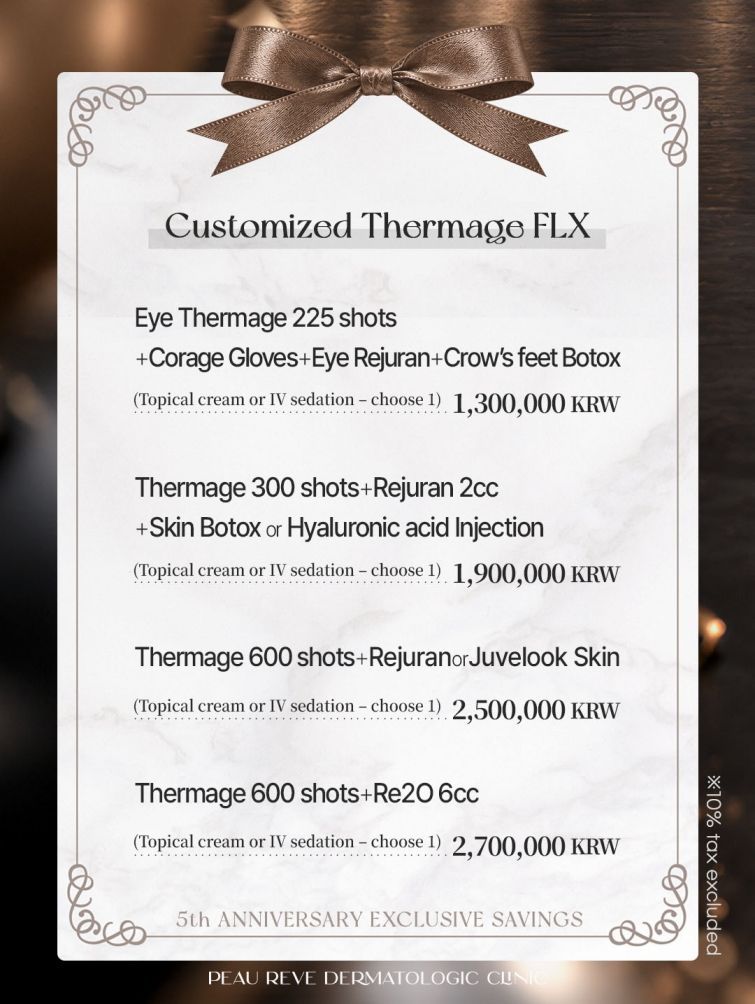
Korean skincare culture places strong emphasis on skin quality, often called glass skin, rather than dramatic changes. Several well-known boosters were developed in Korea, and clinics in Seoul, especially in Gangnam and Cheongdam, commonly combine boosters with lifting devices such as Thermage FLX or Ultherapy Prime in a single plan.
Because boosters have short downtime, many international visitors can fit a session into a trip, though a full course needs return visits spaced a few weeks apart.
What to expect from treatment
- Consultation. A doctor examines your skin and recommends a booster type and course.
- Numbing. Cream is applied for 30–40 minutes.
- Injection. Product is delivered by hand or with an injector device in many small points.
- Recovery. Small bumps usually settle within 1–3 days; bruising is possible.
- Course and maintenance. Results build across sessions and are maintained every few months.
Avoid saunas, heavy exercise, alcohol and strong actives for a day or two afterwards, and use sunscreen daily.
Skin booster prices in Seoul
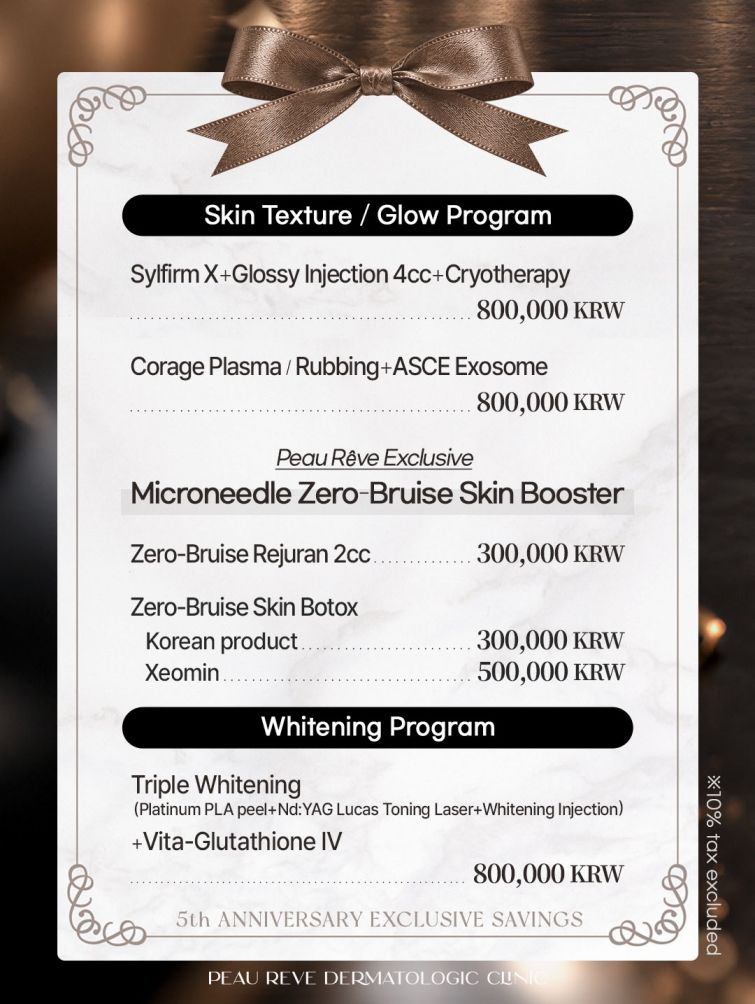
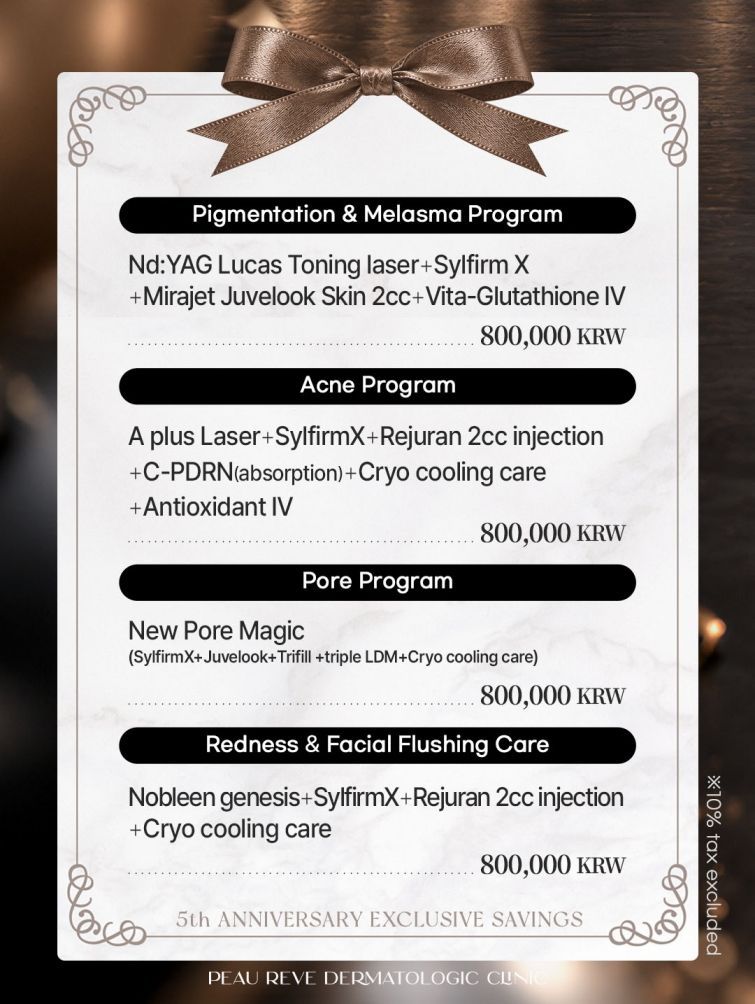
Published prices at Cheongdam clinics start around ₩250,000 for skin boosters, excl. 10% VAT, as of late 2026. Other published starting points include Rejuran Healer from ₩250,000, Juvelook from ₩130,000 and Elravie Re2O from ₩600,000. Check current prices, since totals depend on the product, amount, area and course length.
How to choose a clinic in Korea
- Doctor-led consultation and injection.
- Genuine products shown sealed before use.
- Transparent published pricing, with clear VAT and the same price for foreigners.
- A reasoned recommendation explaining why one booster suits you over another.
- English support and aftercare follow-up, especially for course planning.
Frequently asked questions
Which skin booster is best?
There is no single best booster. The right choice depends on whether your main concern is hydration, repair, firmness or texture.
How long do skin boosters last?
Effects usually last several months after a full course, with maintenance sessions recommended. Results vary.
Can I get skin boosters on a short trip to Korea?
Yes, a single session has short downtime, but a full course in Seoul usually needs sessions a few weeks apart.
Do skin boosters hurt?
They involve many small injections, so mild stinging is common. Numbing cream makes treatment comfortable for most people.
This article is general information and not medical advice. Results vary between individuals. Speak to a qualified doctor about whether a treatment is right for you.