Age Spot Treatment in Seoul: Doctor-Led Care
Age spots are flat brown marks caused by years of sun exposure. Our doctors first confirm each spot is harmless, then use pigment lasers and brightening care to fade it, with sun protection to stop new spots forming.

10+ years in non-surgical lifting and anti-aging · Updated October 2026

What causes age spots?
Age spots , also called sun spots or solar lentigines, are flat, well-defined brown patches caused by long-term UV exposure. They are harmless, but any spot that changes should be checked by a doctor. Pigment lasers can fade most age spots in one to a few sessions.
Ultraviolet light makes pigment cells produce more melanin to protect the skin. After years of sun, some areas keep overproducing it, and the melanin clusters into flat brown spots on the face, hands, chest and shoulders. They usually appear from the forties, earlier with heavy sun exposure, tanning or outdoor sports, and are more common in lighter and East Asian skin types.
Age spots look similar to other marks such as freckles, melasma, raised seborrhoeic keratoses, and occasionally skin cancer. Each needs a different approach, and some lasers that suit age spots can worsen melasma. That is why a doctor examines every spot before treatment and chooses the device, settings and number of sessions accordingly.
Signs these treatments can help
- Flat, clearly defined brown spots on the face or hands
- Spots that have been stable in size and colour for a long time
- Sun damage from outdoor work, sport or past tanning
- You are ready to use daily sunscreen afterwards
When to see a specialist first
- A spot that is growing, changing colour, irregular, itching or bleeding: see a dermatologist to rule out skin cancer before any cosmetic treatment
- Patchy, symmetrical pigment on the cheeks, which may be melasma and needs a gentler plan
- A fresh tan or upcoming beach holiday: wait until you can avoid strong sun for several weeks
What drives age spots
Cumulative UV
Years of sun exposure, even without burning.
Skin type
Lighter and East Asian skin forms spots more readily.
Age
Pigment control weakens and spots accumulate over time.
Tanning
Sunbeds and deliberate tanning speed up spot formation.
How we treat age spots at our clinic
- Doctor consultation. We examine each spot, under magnification if needed, and confirm it is a benign age spot.
- Treatment plan. The doctor chooses a pigment laser and settings for your skin type and spot depth.
- Laser session. Spots are treated individually; most feel a quick snap like a rubber band.
- Healing. Treated spots darken and form small crusts that usually shed within 5–10 days.
- Maintenance. Brightening care and strict sun protection help prevent new spots and rebound pigment.
Aftercare
- Do not pick crusts; let them fall off naturally
- Use broad-spectrum SPF 50 and a hat every day
- Keep the area moisturised with gentle products
- Avoid strong actives such as retinoids for about a week
Possible side effects
Treated spots darken and crust before they fade. Temporary redness is common. Post-inflammatory darkening can occur, especially in darker skin or with sun exposure, and usually fades over weeks to months. Spots can return without sun protection.
Age Spots price in Cheongdam
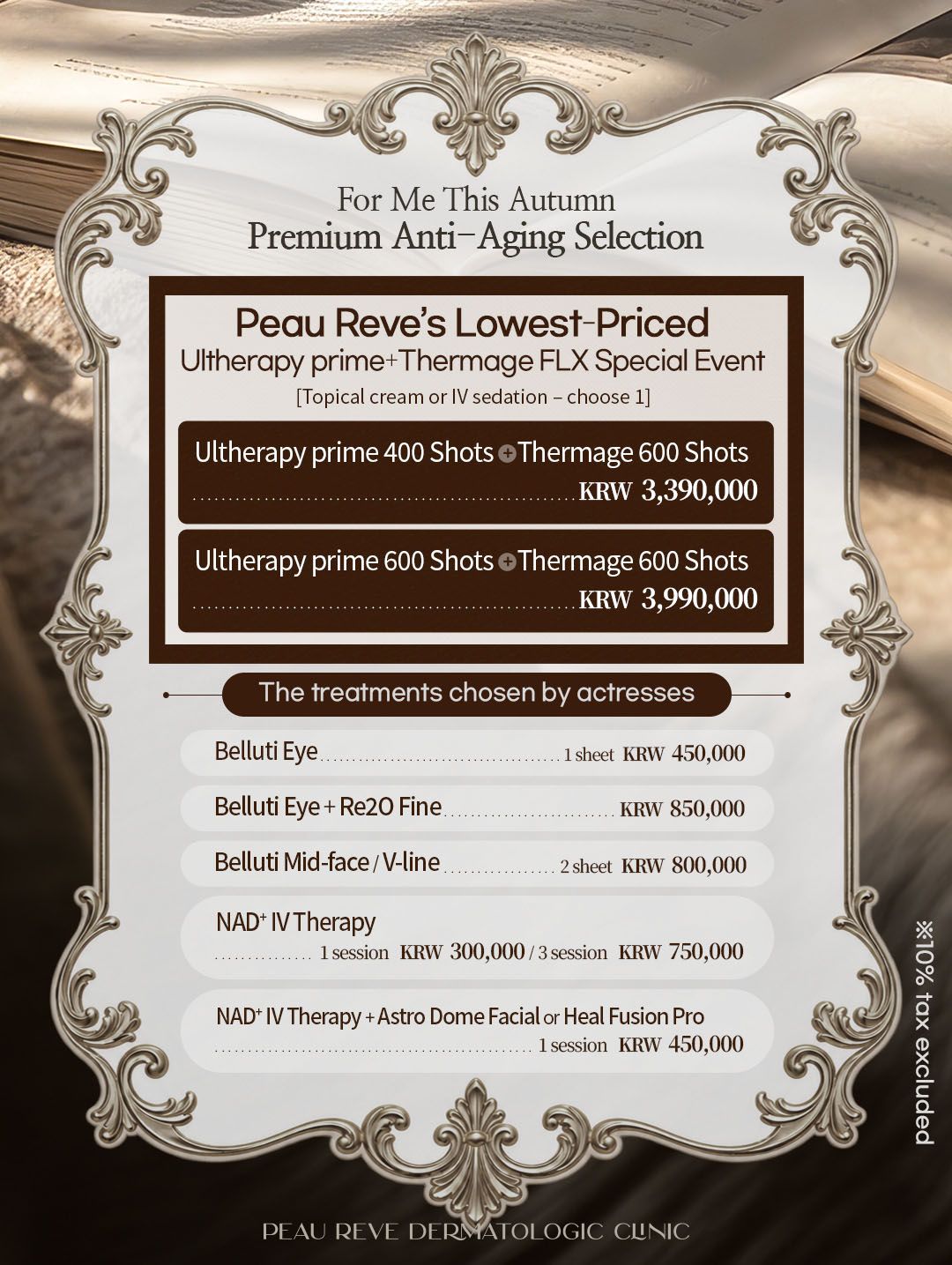
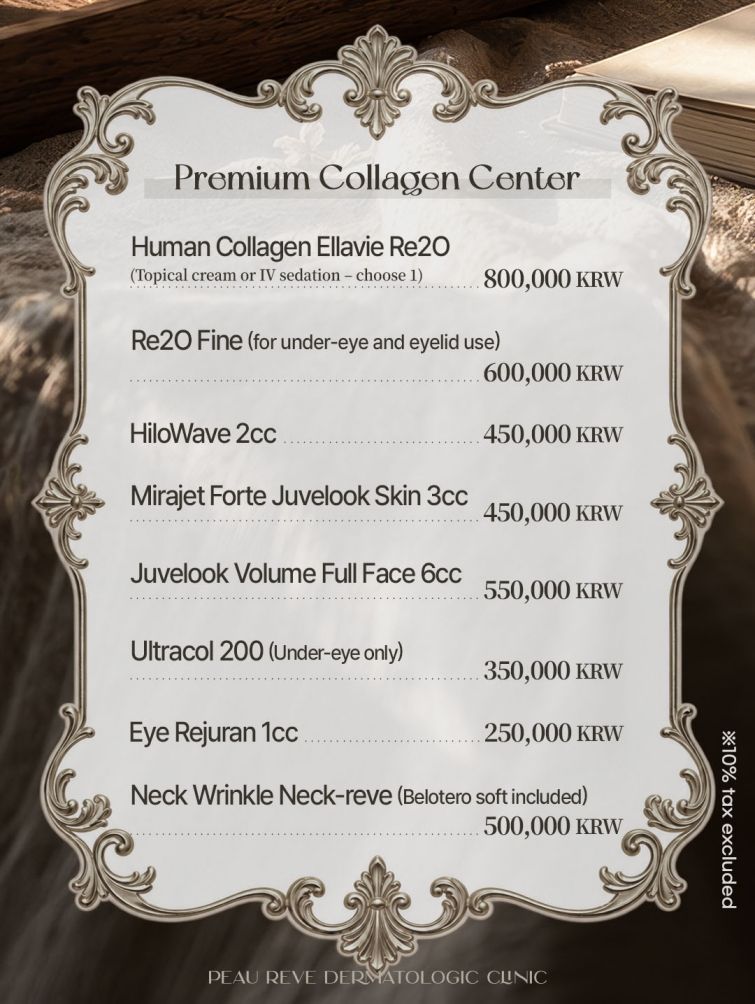
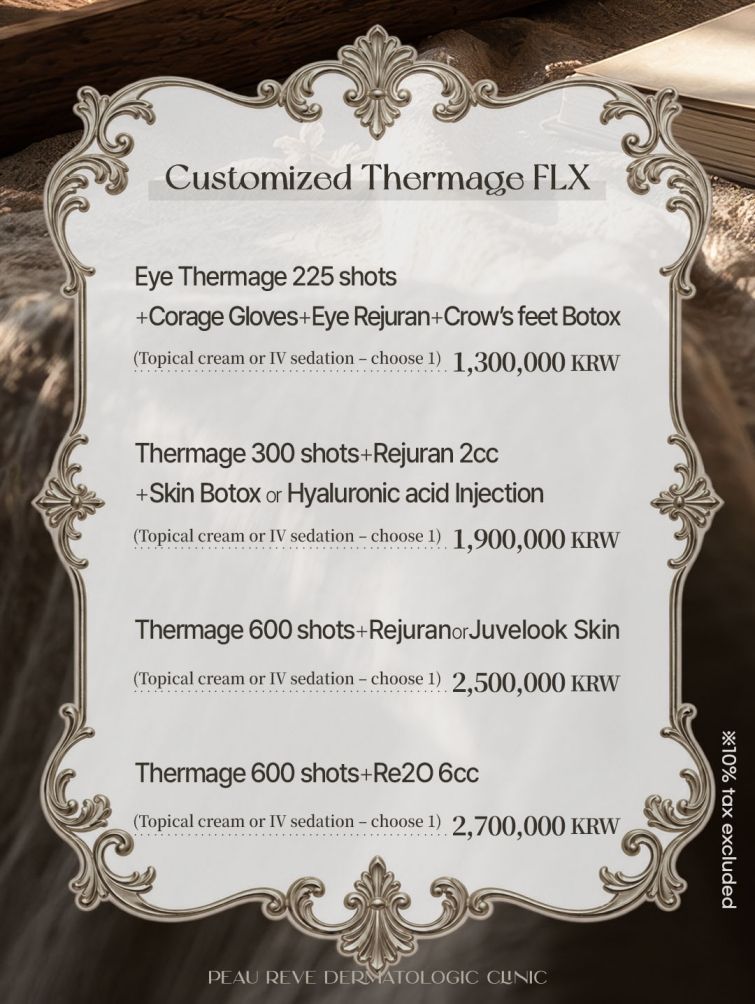
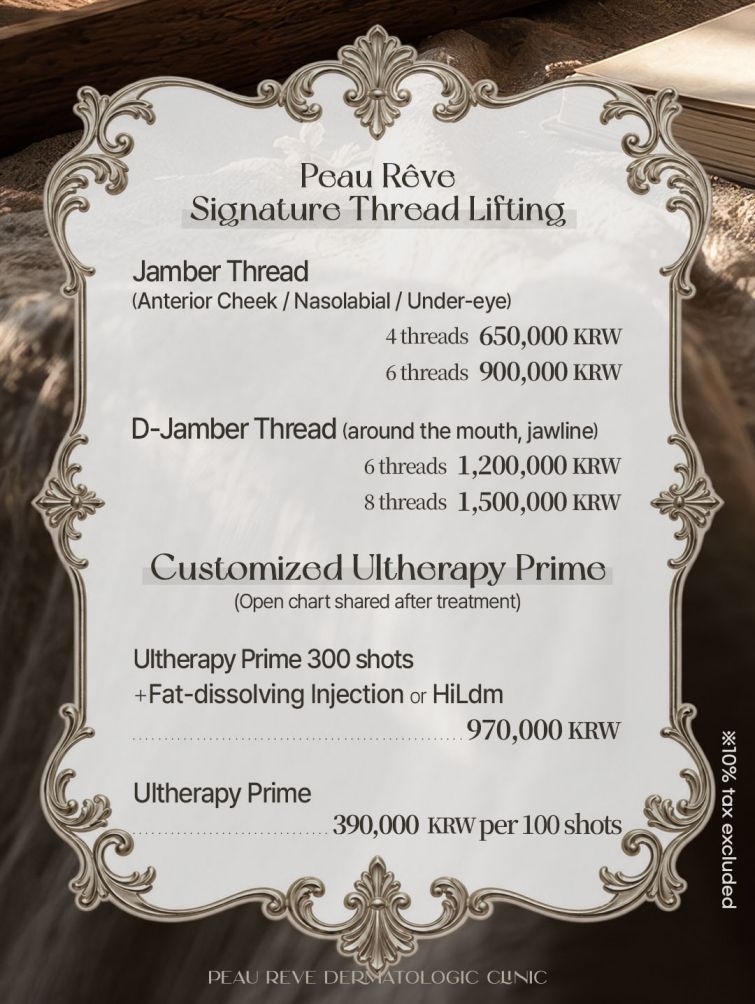
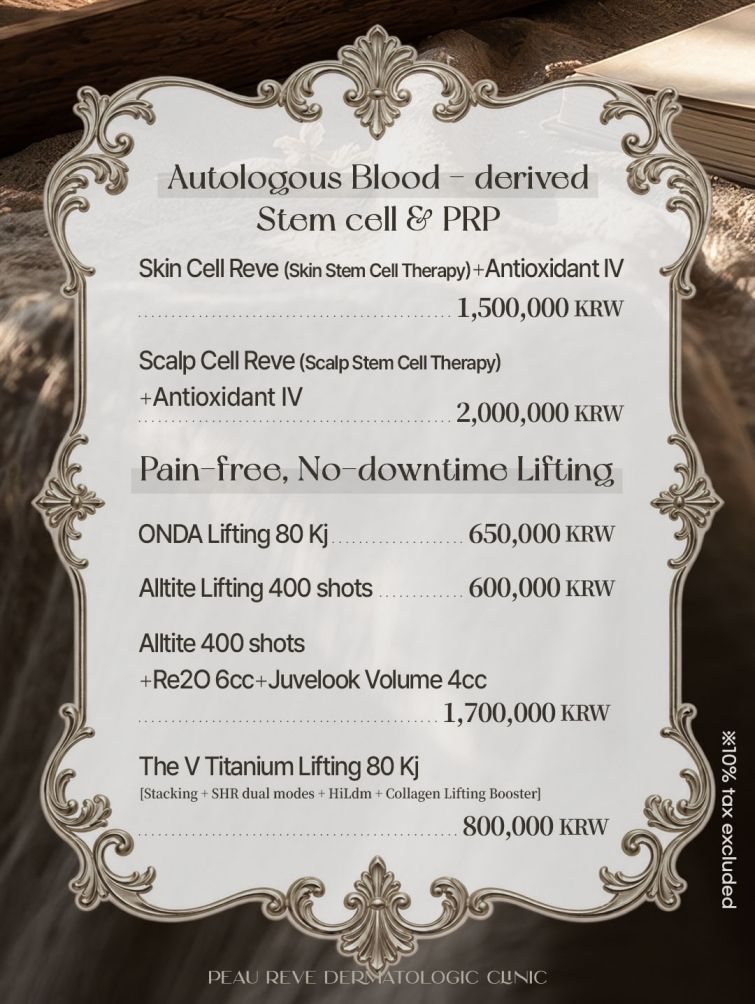
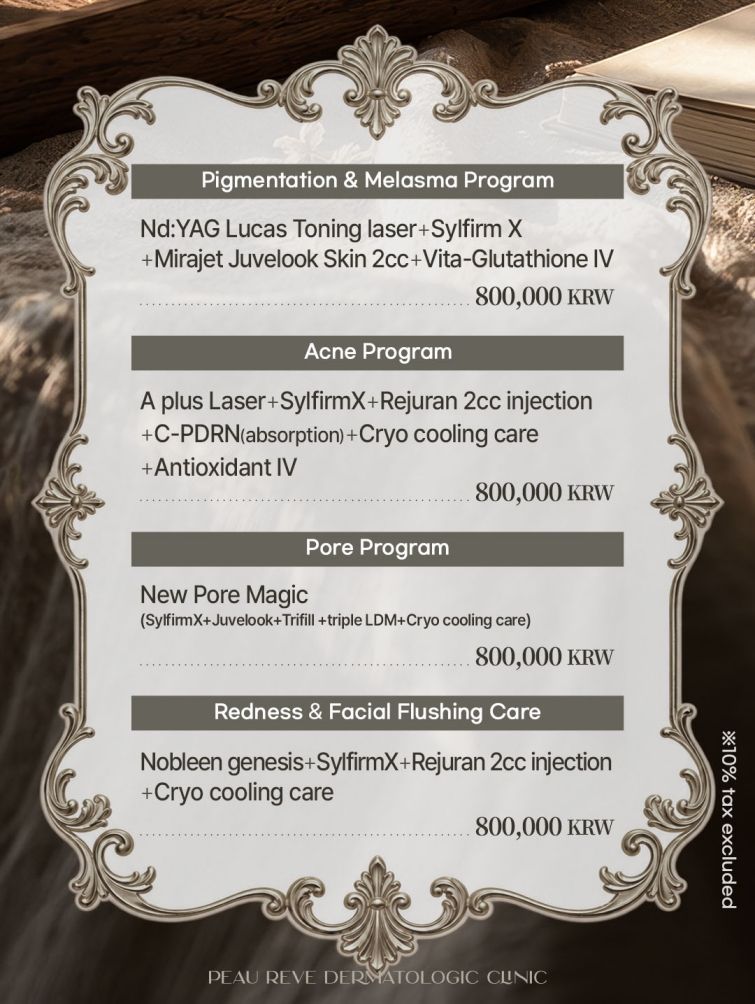
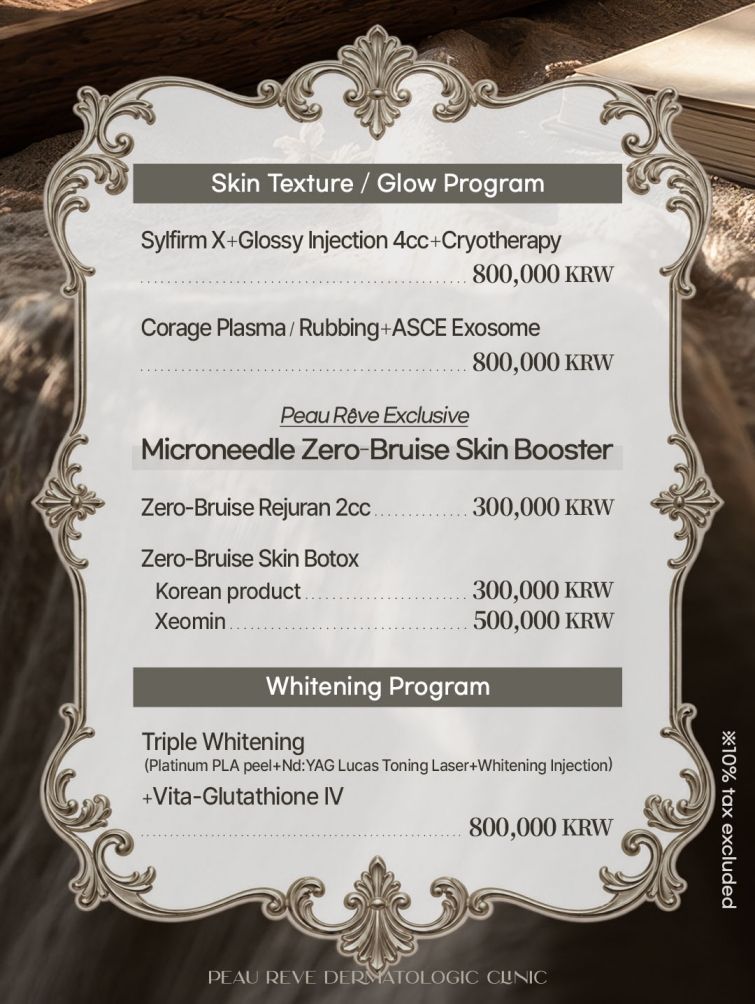
Pigment lasers, peels and brightening treatments are priced after a doctor checks your pigment type, because the right settings and number of sessions vary. Send us clear photos in daylight on Instagram for a quote in English. Korean and international patients pay the same price.
See the full Age Spots price breakdown, the complete price list, or how we keep pricing transparent.
Performed by a physician, every time
Every plan at our clinic starts with a physician consultation, and the same doctor performs your treatment. We explain what can and cannot be improved before you book anything.
- Every spot checked before laser
- Settings chosen for Asian and darker skin types
- Follow-up on Instagram after you fly home
Dr. Youjin Kim
Residency at Seoul St. Mary’s Hospital (Catholic University of Korea). Thermage FLX Master Doctor; Titanium Lifting, Juvelook and Corage Key Doctor.
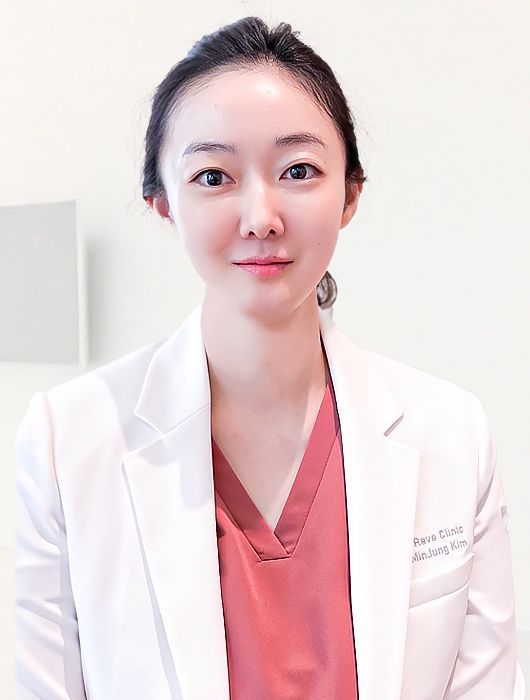
Dr. Minjeong Kim
Korea University College of Medicine; Family Medicine training at Asan Medical Center. Board-certified Family Medicine Specialist.
Treatments for age spots at our clinic
| Option | Best for |
|---|---|
| Pigment laser | Distinct, flat age spots on the face and hands |
| Chemical peels | Mild, widespread sun damage and dull tone |
| Skin Whitening | Overall brightness after spots are treated |
| Glutathione | Antioxidant support; not a stand-alone spot treatment |

Frequently asked questions
Can age spots be removed completely?
Many age spots fade dramatically after one to a few laser sessions. Without daily sun protection, new spots can form and treated ones may return.
How much does age spot removal cost?
Pigment laser treatment is priced after consultation because it depends on the number, size and type of spots. Send us photos on Instagram for a quote.
Does age spot laser hurt?
It feels like a quick snap on the skin. Numbing cream is used for larger areas.
What is the downtime?
Treated spots usually darken and crust for about 5–10 days. Most people go about their day with sunscreen and, after the first day or two, make-up.
Should I get a spot checked first?
Yes. Any spot that is new, changing, irregular or bleeding should be seen by a dermatologist before cosmetic treatment.
Can I do this on a short trip to Seoul?
Yes, but plan around the crusting phase and avoid strong sun for several weeks, so beach holidays straight after are not ideal.
Get your personal age spots plan
Tell us your goals and travel dates on Instagram. We reply in English with a doctor-reviewed plan and exact price.
This page is for general information and does not replace a medical consultation. Results vary between individuals, and all procedures can cause side effects such as redness, swelling or bruising. Prices are Cheongdam Peau Rêve Clinic's September 2026 program prices in Korean won, excluding 10% VAT.