Hyperpigmentation Treatment in Seoul: Doctor-Led Care
Dark spots and patches have different causes: sun, inflammation after acne, hormones or age. Our doctors identify which type you have first, because the right treatment for one can worsen another, then plan careful, gradual care.

10+ years in non-surgical lifting and anti-aging · Updated October 2026
What causes hyperpigmentation?
Hyperpigmentation is darkening of areas of skin caused by excess melanin, most often from sun damage, inflammation after acne or injury, hormones (melasma) or age. Treatment depends on the type and usually combines pigment lasers, brightening care and strict sun protection over several sessions.
Melanin is the skin's natural pigment and its defence against UV. When pigment cells are stimulated by sun, inflammation or hormones, they produce more melanin than needed, and it collects as spots or patches. The pigment can sit in the upper skin, where it fades more easily, or deeper in the dermis, where it is more stubborn.
The type matters for treatment. Age spots and freckles often respond well to targeted pigment laser. Post-inflammatory marks after acne fade with gentle care and time. Melasma needs low-energy, gradual treatment because strong heat can make it darker. Darker skin types are more prone to post-inflammatory pigment, so settings must be chosen carefully.
Signs these treatments can help
- Brown marks left after acne or skin irritation
- Sun spots and uneven tone on the face
- A mix of pigment types you want assessed properly
- You can commit to daily sunscreen and a course of care
When to see a specialist first
- A spot that is new, changing, irregular, itchy or bleeding: see a dermatologist to rule out skin cancer first
- Sudden widespread darkening, which can have medical or medication causes and needs a doctor's review
- Active acne still causing new marks: treat it first, see acne treatment
Four common types of hyperpigmentation
Sun spots
Flat brown spots from cumulative UV exposure.
Post-inflammatory
Marks left after acne, injury or irritation.
Melasma
Hormone- and heat-driven patches on the cheeks and forehead.
Freckles
Small inherited spots that darken in the sun.
How we treat hyperpigmentation at our clinic
- Doctor consultation. We identify each pigment type and its depth, and check for melasma before choosing a device.
- Treatment plan. Targeted laser for spots, gentle toning for melasma, and brightening care for overall tone.
- Sessions. Treatments are repeated at intervals, adjusting strength to how your skin responds.
- Skin support. Calming and repair boosters help prevent irritation and rebound pigment.
- Maintenance. Sun protection and occasional sessions keep pigment under control.
Aftercare
- Use broad-spectrum SPF 50 every day and reapply
- Avoid picking or scrubbing treated areas
- Pause strong actives for a few days after laser
- Avoid saunas and heat if you also have melasma
Possible side effects
Spot lasers cause temporary darkening and fine crusts. Some people, especially with darker skin, can develop temporary post-inflammatory darkening, and over-treatment can cause light patches. Gradual, doctor-set treatment reduces these risks.
Hyperpigmentation price in Cheongdam
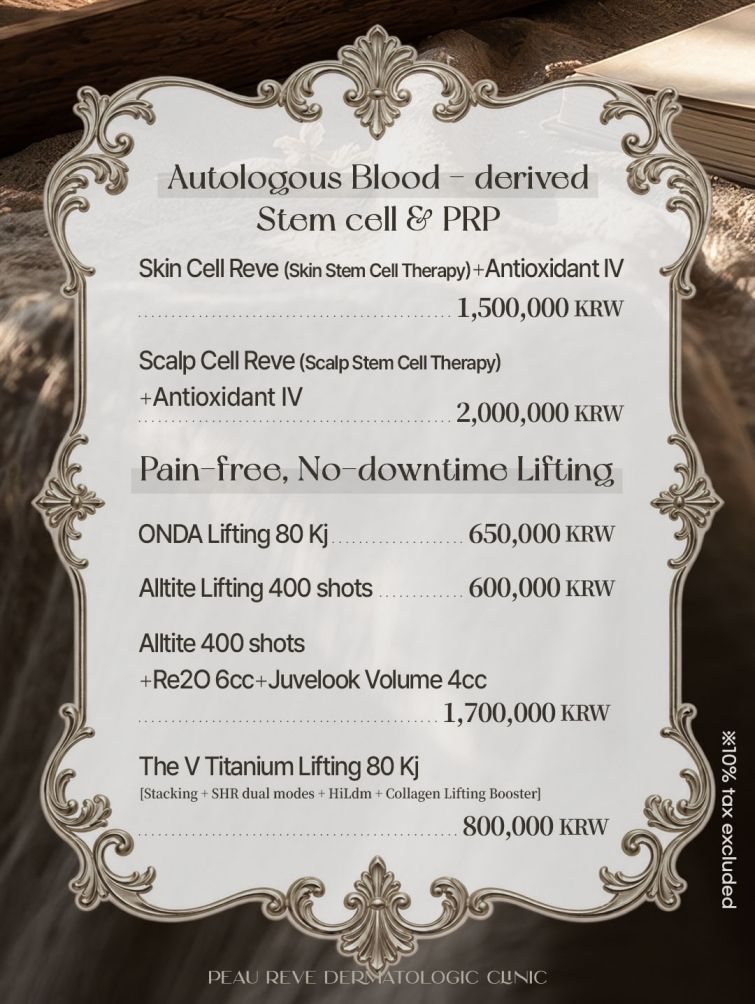
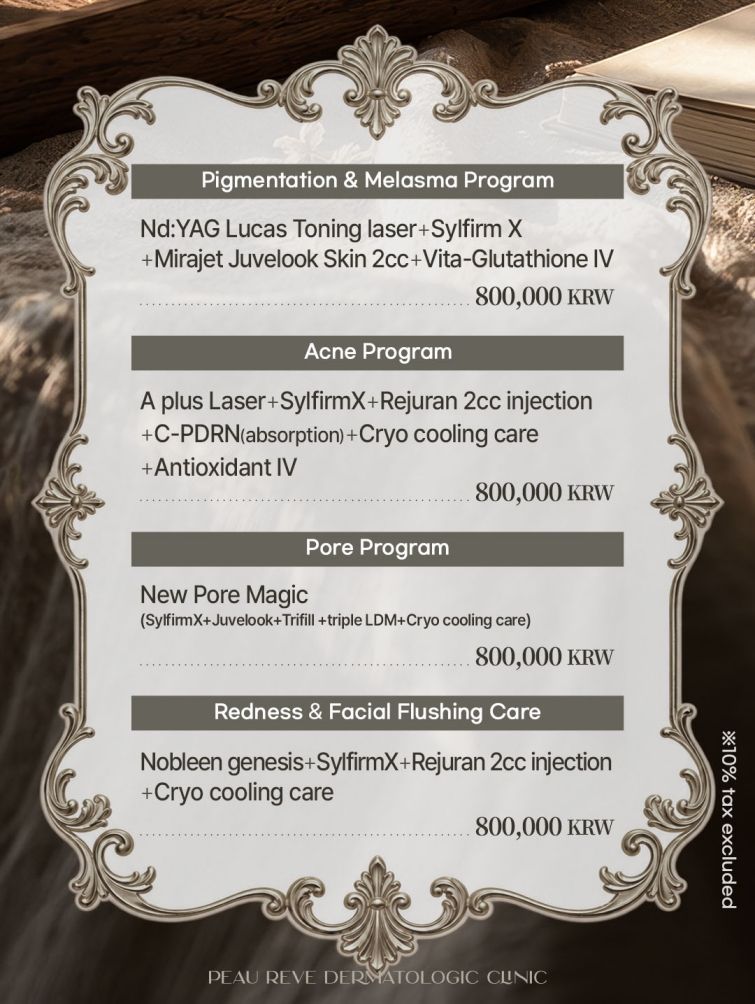
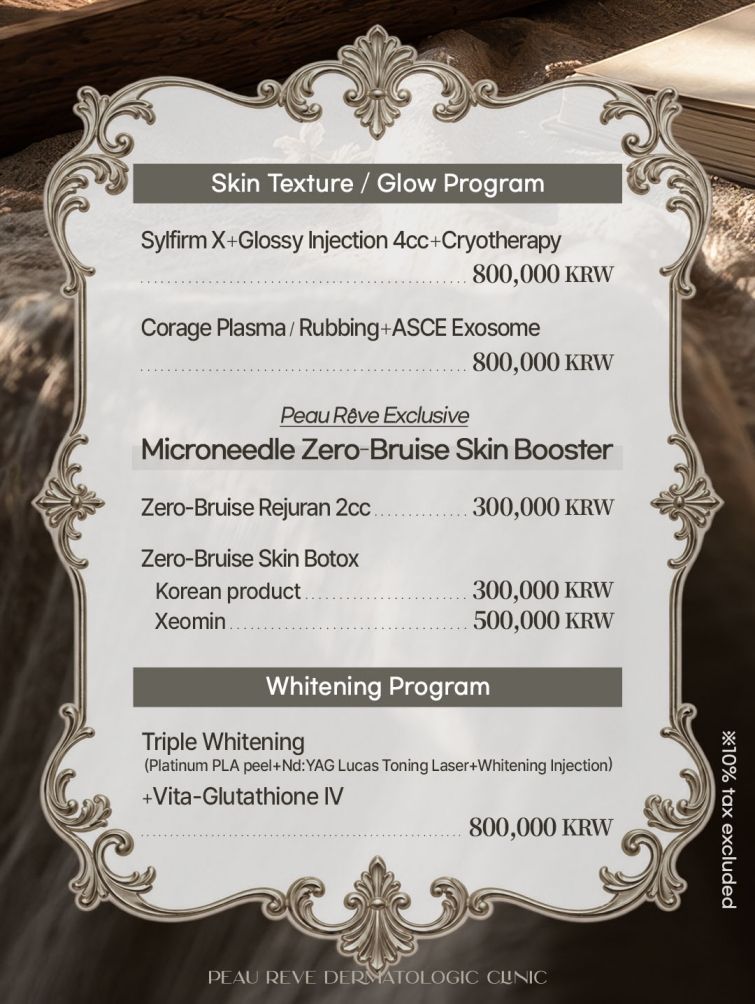
Pigment lasers, peels and brightening treatments are priced after a doctor checks your pigment type, because the right settings and number of sessions vary. Send us clear photos in daylight on Instagram for a quote in English. Korean and international patients pay the same price.
See the full Hyperpigmentation price breakdown, the complete price list, or how we keep pricing transparent.
Performed by a physician, every time
Every plan at our clinic starts with a physician consultation, and the same doctor performs your treatment. We explain what can and cannot be improved before you book anything.
- Pigment type diagnosed before treatment
- Careful settings to avoid rebound pigment
- Follow-up on Instagram after you fly home
Dr. Youjin Kim
Residency at Seoul St. Mary’s Hospital (Catholic University of Korea). Thermage FLX Master Doctor; Titanium Lifting, Juvelook and Corage Key Doctor.
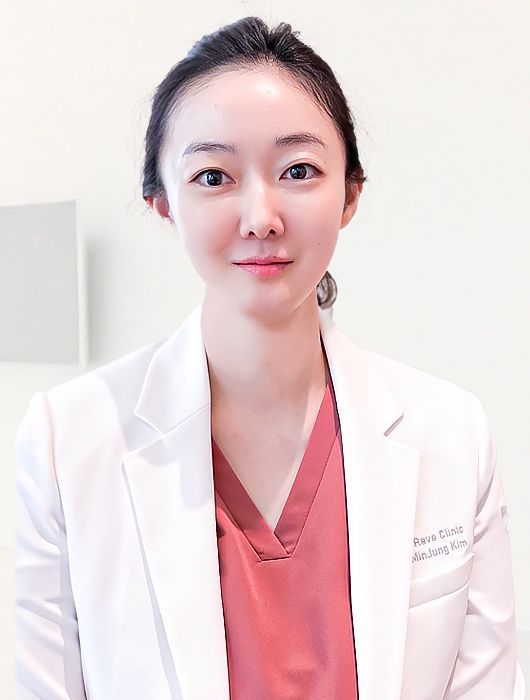
Dr. Minjeong Kim
Korea University College of Medicine; Family Medicine training at Asan Medical Center. Board-certified Family Medicine Specialist.
Treatments for hyperpigmentation at our clinic
| Option | Best for |
|---|---|
| Pigment lasers | Sun spots, freckles and gentle melasma toning |
| Chemical peels | Superficial marks and overall tone |
| Skin Whitening | Brightening and even tone |
| Glutathione | Antioxidant support with other treatments |
Frequently asked questions
What is the best treatment for hyperpigmentation?
It depends on the type. Sun spots and freckles usually respond to pigment laser, acne marks to gentle care and time, and melasma to low-energy toning. A doctor should identify the type first.
How much does hyperpigmentation treatment cost?
It is priced after consultation, since the type, area and number of sessions vary. Send us photos on Instagram for a quote.
How long until pigment fades?
Targeted spots can fade within a few weeks of treatment. Patchy or deeper pigment usually needs several sessions over months.
Can pigment come back?
Yes, especially with sun exposure or hormonal triggers. Daily sunscreen is the most important part of keeping results.
Is laser safe for Asian skin?
Yes, when settings are chosen carefully. Asian and darker skin is more prone to post-inflammatory darkening, so our doctors use conservative, gradual settings.
Can I treat pigment on a short trip?
You can start during a visit, but most pigment needs a series. Avoid strong sun for several weeks after treatment.
Get your personal hyperpigmentation plan
Tell us your goals and travel dates on Instagram. We reply in English with a doctor-reviewed plan and exact price.
This page is for general information and does not replace a medical consultation. Results vary between individuals, and all procedures can cause side effects such as redness, swelling or bruising. Prices are Cheongdam Peau Rêve Clinic's September 2026 program prices in Korean won, excluding 10% VAT.